The short answer
If your chimney's clay tiles are cracked, your building is converting from oil to gas, or you are adding a new appliance, you likely need a new chimney liner. FirstChoice Chimney Services inspects the flue, sizes a liner to the appliance, and installs it in Little Italy homes and buildings from our local office on W Houston St.
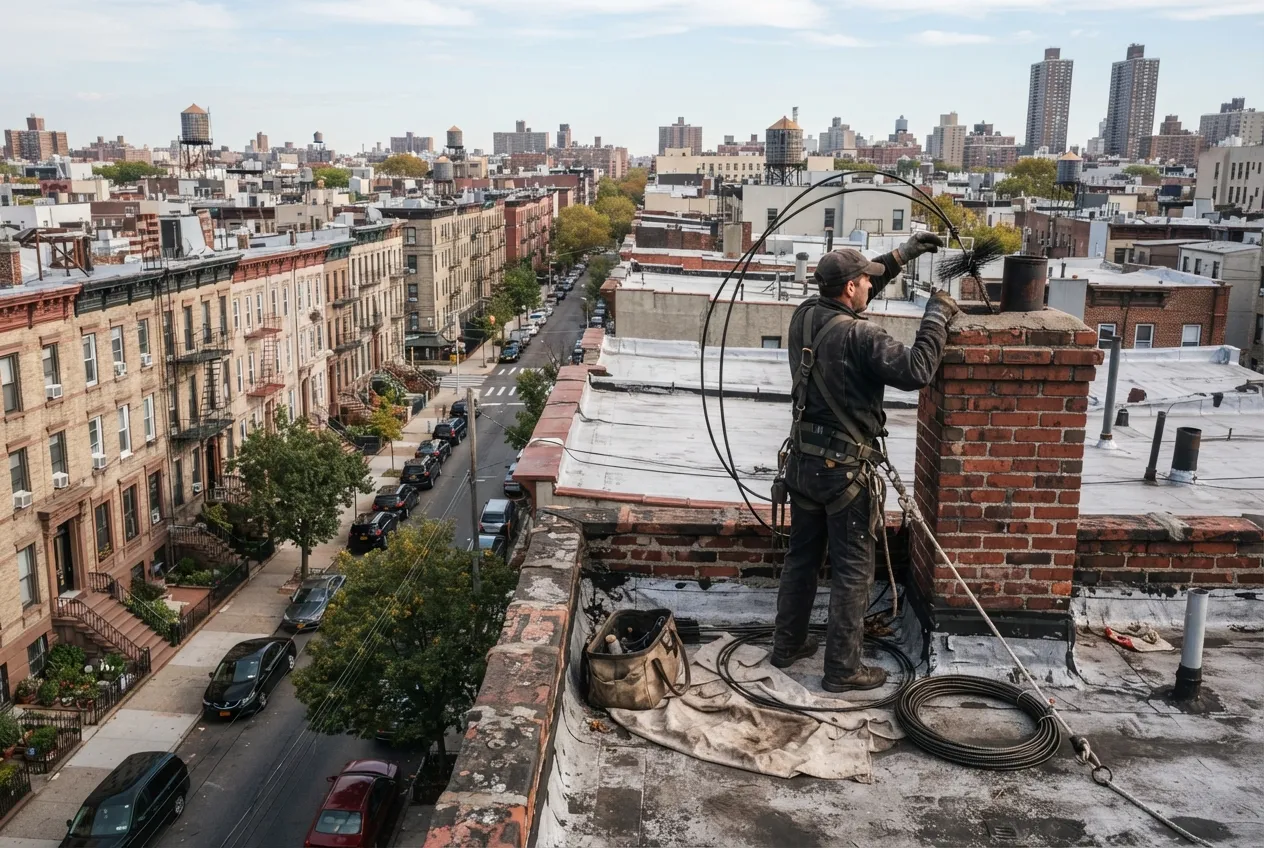
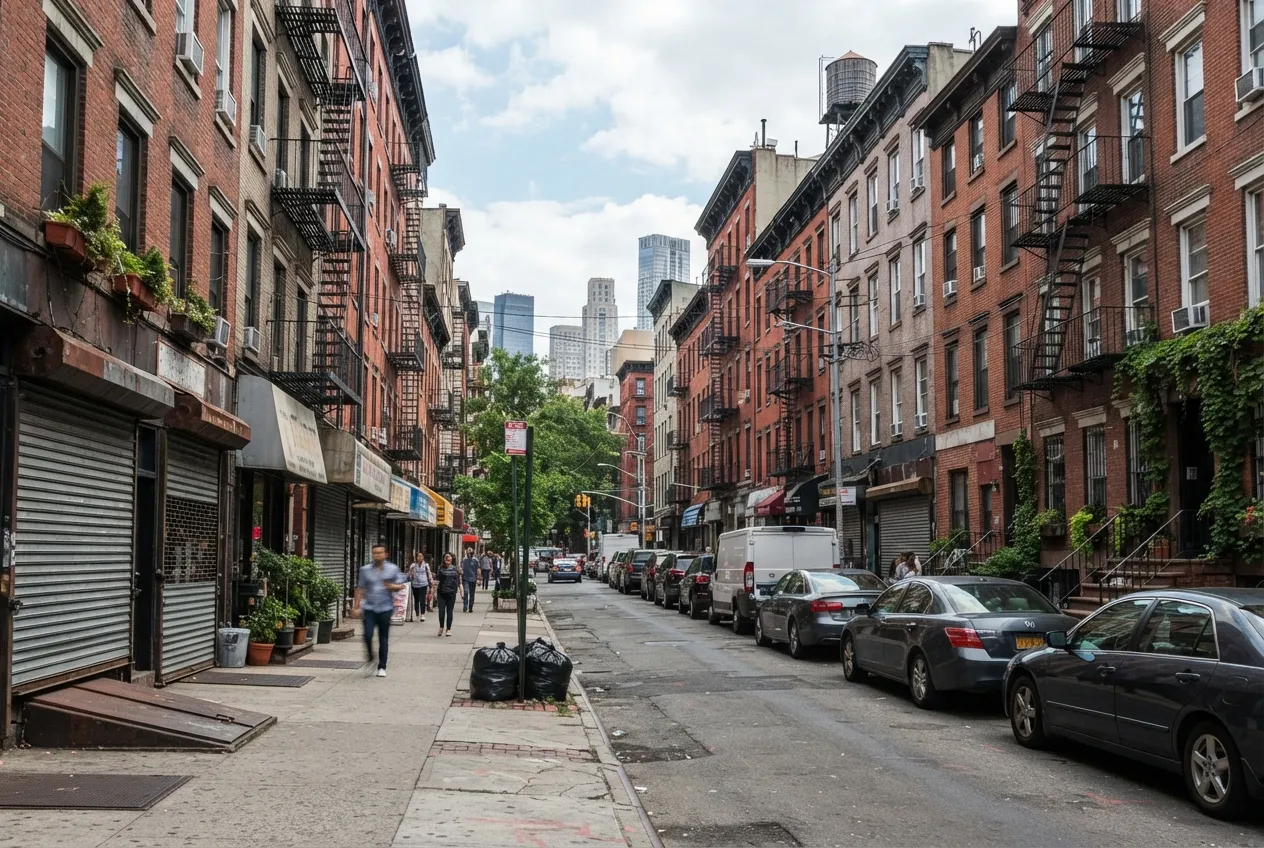
A chimney liner is the inner channel that carries smoke and exhaust gases up and out of your home. In Little Italy, many chimneys run through older masonry in rowhouses, brownstones and pre-war apartment buildings, where original clay tile flues can crack, shift or wear down after decades of use. FirstChoice Chimney Services installs new liners for homes and buildings in the 10012 ZIP code, working from our office at 90 W Houston St. Our certified technicians size and fit each liner to the appliance it serves, whether that is a wood-burning fireplace, a boiler or a water heater.
Why Liners Matter in Older Little Italy Buildings
Many buildings in the neighborhood went up long before modern heating equipment existed. Their flues were built for coal or wood, and the mortar joints between clay tiles can erode after years of heat, moisture and freeze-thaw cycles. A damaged liner can let heat reach nearby wood framing and allow exhaust, including carbon monoxide, to leak into living spaces.
In attached rowhouses and multi-unit buildings, a single chimney stack often holds several flues side by side, and those flues may sit right behind a neighbor's wall. A failure in one flue can affect the others, so we evaluate the whole stack rather than only the opening you use.
Oil-to-Gas Conversions and New Liners
When a New York City building converts its boiler from oil to gas, the chimney has to be evaluated as part of the work. A new liner is often needed because gas exhaust produces acidic condensate that can corrode a masonry flue from the inside. An unlined or poorly lined chimney may look fine at first and then deteriorate once the new equipment is running.
If your building is planning a conversion, bring us in early so the liner work fits the project schedule. New York City's heat season runs from October 1 through May 31, and owners must keep apartments heated to the city's minimum temperatures during that time. Planning liner work around the heat season, or scheduling it so the boiler is down as briefly as possible, helps avoid gaps in heat for tenants.
Signs Your Chimney May Need a New Liner
The NFPA 211 standard calls for chimneys, fireplaces and vents to be inspected once a year. A Level 1 inspection fits when nothing has changed. A Level 2 inspection applies when the system changes, such as a new appliance or a switch of fuel, or when the home is sold. A Level 3 inspection is used when a hidden hazard can only be reached by opening part of the chimney or building. Liner problems often turn up during these inspections, but you may also notice warning signs yourself:
- Flakes of tile or mortar falling into the firebox or the boiler's cleanout
- Moisture stains, white residue or crumbling brick on walls near the chimney
- Smoke or odors entering rooms when the fireplace or appliance runs
- Poor draft, with smoke rolling back out of the fireplace opening
- A new appliance or fuel change the existing flue was not sized for
Time for your annual chimney check?
How We Install a Chimney Liner
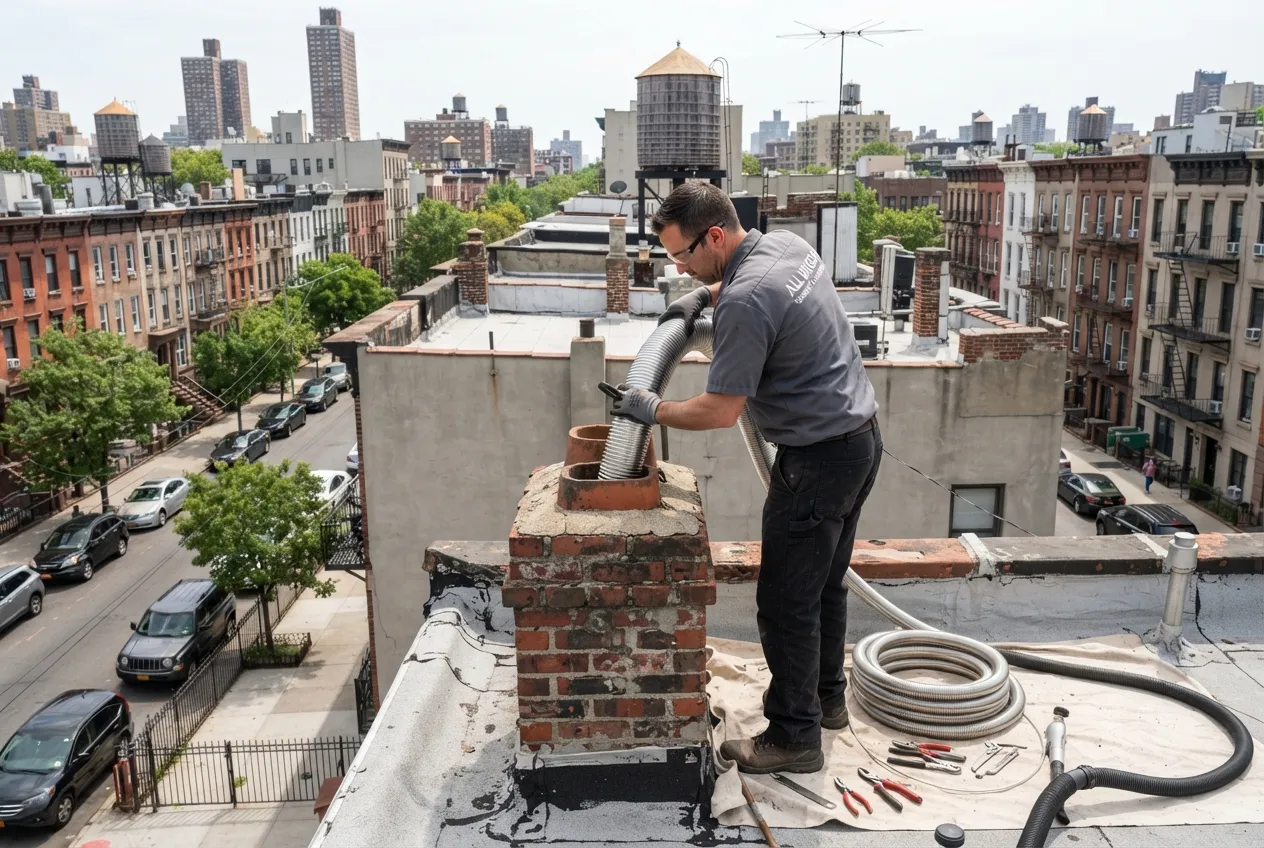
Every job starts with a close look at the flue, usually with a camera, so we can see the condition of the tiles and measure the inside of the chimney. From there we match the liner material and diameter to the appliance and fuel. A liner that is too large or too small can cause poor draft and excess condensation.
In tight Manhattan buildings, access is part of the plan. We coordinate roof access, work with building management where needed, and protect floors and finishes inside the home.
- Inspect and measure the existing flue
- Clean out soot, creosote and loose debris
- Select a liner sized to the appliance and fuel type
- Install the liner from the top down and connect it to the appliance
- Seal the top, add a cap, and check draft before we leave
Serving Little Italy and Nearby Neighborhoods
Our office is in the neighborhood at 90 W Houston St, so homes in Little Italy are close by. We also install chimney liners in SoHo, Hudson Square, Tribeca, Civic Center and Greenwich Village, where many homes share the same mix of rowhouses, brownstones and pre-war apartment buildings with aging masonry chimneys. Whether you own a single unit with a fireplace or manage a building heading into a boiler conversion, we can walk you through what your chimney needs.
More services in Little Italy
- Chimney Sweep in Little ItalyLocal service & repairs
- Chimney Inspection in Little ItalyLocal service & repairs
- Chimney Repair in Little ItalyLocal service & repairs
- Air Duct Cleaning in Little ItalyLocal service & repairs