The short answer
The NFPA 211 standard calls for chimneys, fireplaces and vents to be inspected once a year, and Little Italy's older buildings are no exception. A Level 1 inspection covers routine years, while a fuel switch, a new appliance or a home sale calls for a Level 2. Booking before heat season starts on October 1 leaves time for any repairs.
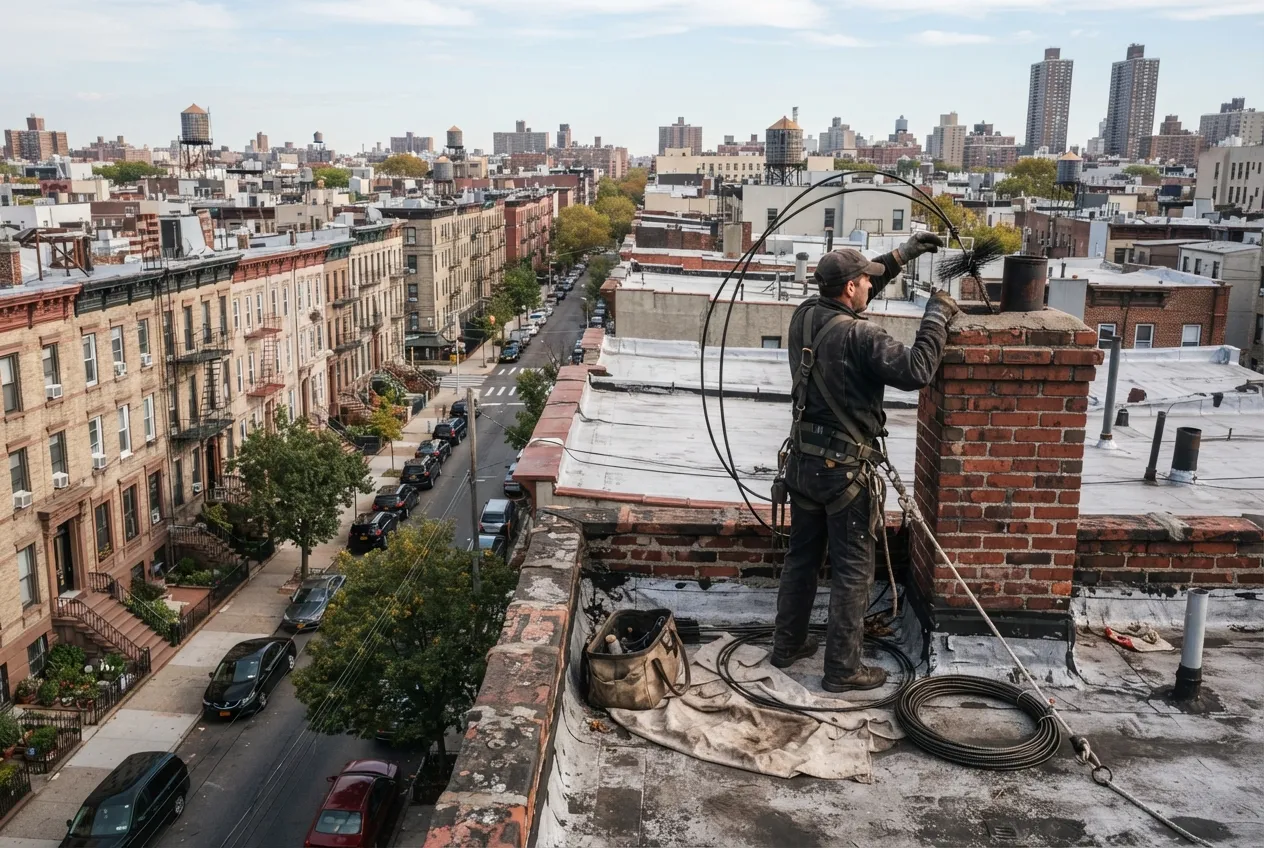
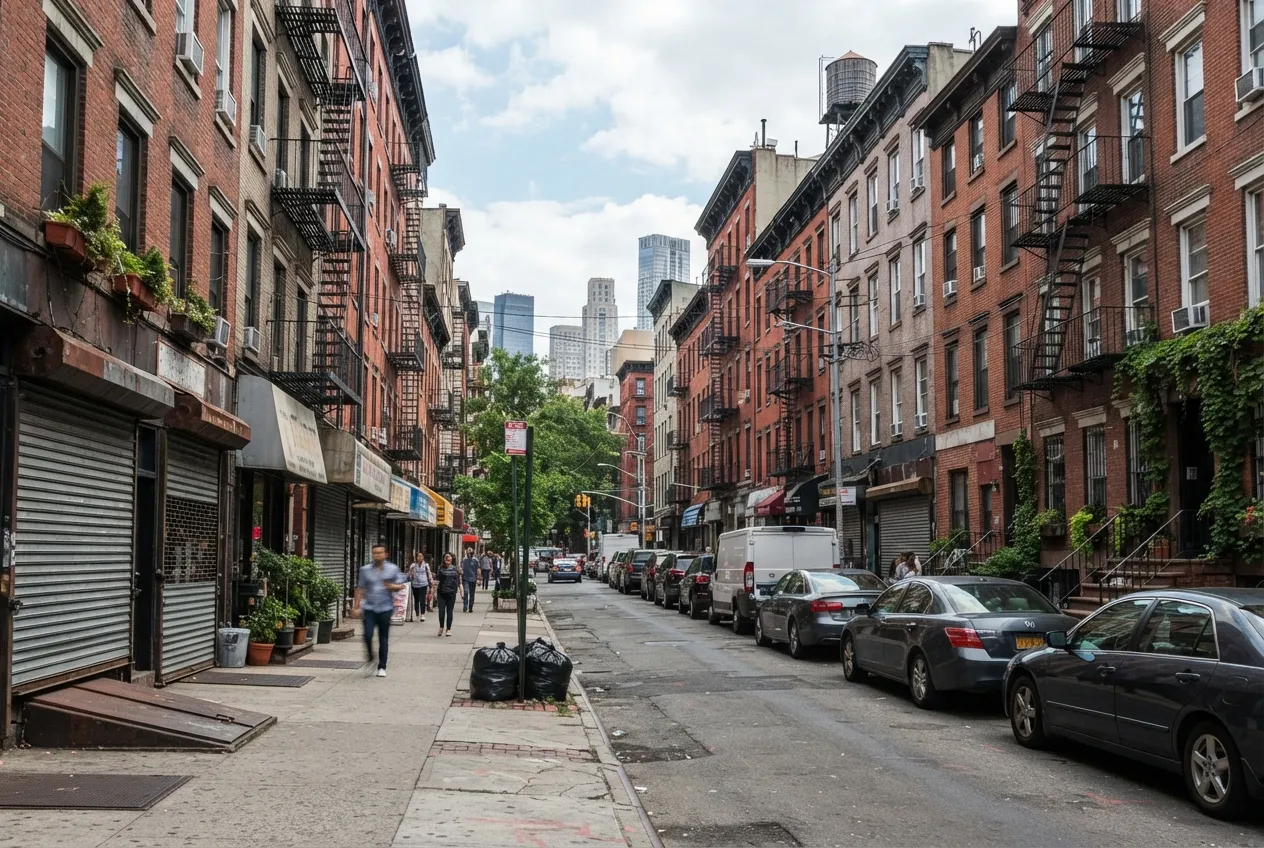
Our office is at 90 W Houston St, so chimney inspections in Little Italy are close-to-home work for us. Most housing in the neighborhood is older: pre-war apartment buildings, walk-ups with shops on the ground floor, and some rowhouses with working or decorative fireplaces. Many of these chimneys have served several generations of heating equipment. An inspection tells you what condition the flue is in now, whether it suits the appliance connected to it, and what needs attention before it's used again.
What a Chimney Inspection Checks
The NFPA 211 standard calls for chimneys, fireplaces and vents to be inspected once a year. That applies to a wood-burning fireplace in a rowhouse parlor and to a boiler in the cellar of an apartment building. Our certified technicians follow the three inspection levels used across the chimney trade:
Most annual inspections are Level 1. If what we find calls for going further, we'll tell you plainly and explain why.
- Level 1: a visual check of the accessible parts of the chimney, flue, firebox and connections, used when nothing about the system has changed.
- Level 2: a more detailed inspection that usually includes a video scan of the flue interior. It's needed when the system changes, such as a new appliance or a switch of fuel, or when the home is sold.
- Level 3: used when a suspected hazard is hidden and can only be reached by opening part of the chimney or the building around it.
Oil-to-Gas Conversions and Older Masonry Flues
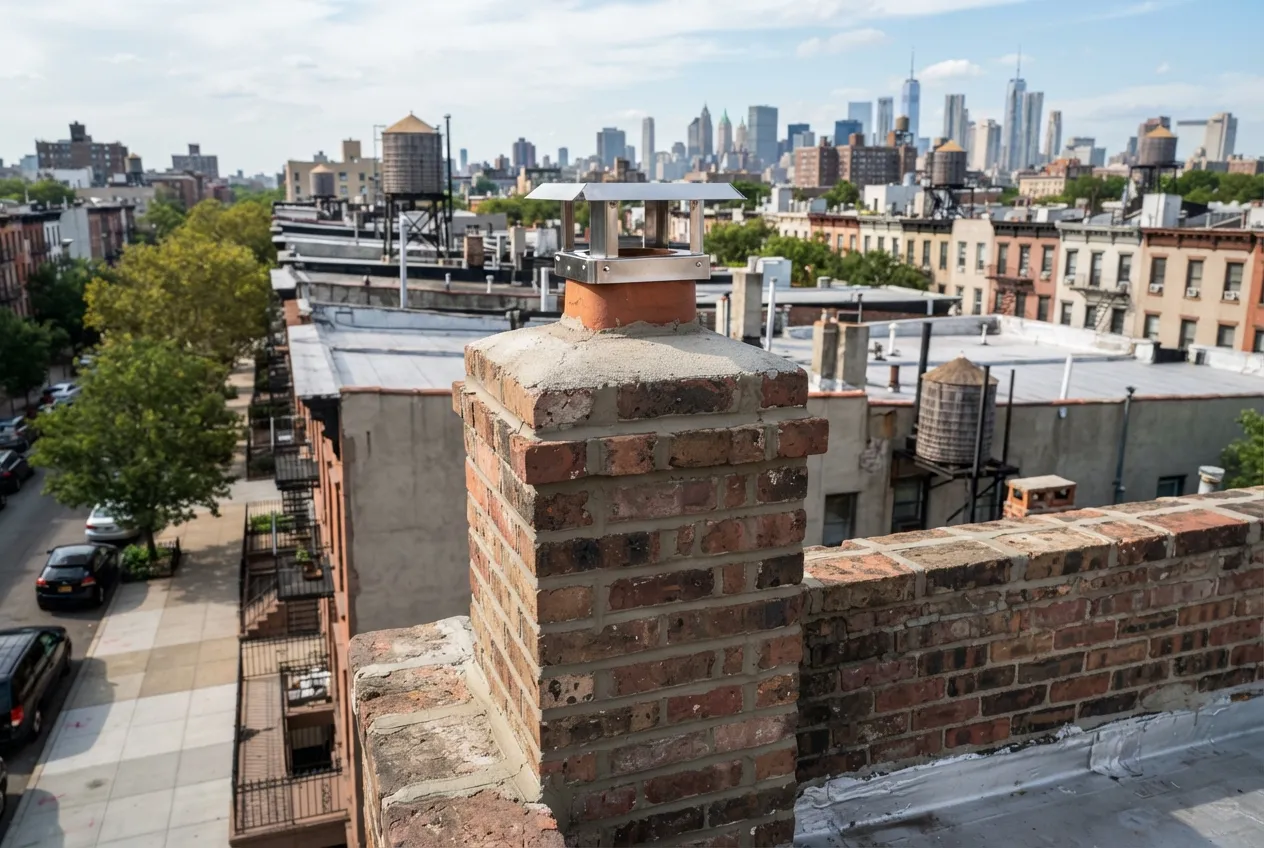
Many older buildings in Little Italy and nearby parts of lower Manhattan once heated with oil. When a New York City building converts its boiler from oil to gas, the chimney has to be evaluated as part of the work. A new liner is often needed because gas exhaust produces acidic condensate, which can corrode a masonry flue that wasn't built to handle it.
A fuel switch changes the system, so the inspection is a Level 2. We look at the flue's size and condition and at any existing liner. Then we document what we find, so the owner and the heating contractor are working from the same information.
Conversion isn't the only trigger for a closer look. Replacing a boiler or water heater, adding an insert to an old fireplace, and buying or selling a home all call for more than a routine annual check.
Plan Around Heat Season
New York City's heat season runs from October 1 through May 31. During that stretch, building owners must keep apartments heated to the city's minimum temperatures. A boiler flue problem found in January leaves you fewer good options than one found in late summer or early fall.
For apartment buildings and mixed-use properties, we recommend scheduling the annual inspection before October. That way, repairs or relining can happen while the heat can safely be off. The same timing helps homeowners with fireplaces, since a cracked flue tile or missing cap is easier to fix before the first fire of the season.
Time for your annual chimney check?
What Happens During Your Inspection
Access in this neighborhood can take some planning. Roof hatches, shared stairwells and cellars reached through a storefront are all common. Tell us about the building when you book and we'll plan around it.
- We cover the floor and furnishings around the fireplace or appliance before we start.
- We examine the firebox, damper, smoke chamber, flue and appliance connections from inside.
- Where it's safe to reach, we check the crown, cap, flashing and exterior masonry from the roof.
- For Level 2 work, we run a camera through the flue and record the footage.
- You get a written summary with photos and clear recommendations, with urgent issues listed separately from items to watch.
Serving Little Italy and Nearby Neighborhoods
We work throughout the 10012 ZIP code and across Manhattan, including SoHo, Hudson Square, Tribeca, Civic Center and Greenwich Village. Our office is in the neighborhood, so getting to a building in Little Italy is a short trip. That makes it practical to come back for a follow-up visit or to coordinate with your heating contractor on a conversion.
More services in Little Italy
- Chimney Sweep in Little ItalyLocal service & repairs
- Chimney Repair in Little ItalyLocal service & repairs
- Air Duct Cleaning in Little ItalyLocal service & repairs
- Chimney Liner Installation in Little ItalyLocal service & repairs