The short answer
Yes, FirstChoice Chimney Services works throughout Chinatown, about a mile from our Manhattan office. We handle chimney sweeping, inspections, repairs, liners, and dryer vent and air duct cleaning for the neighborhood's older apartment and mixed-use buildings.
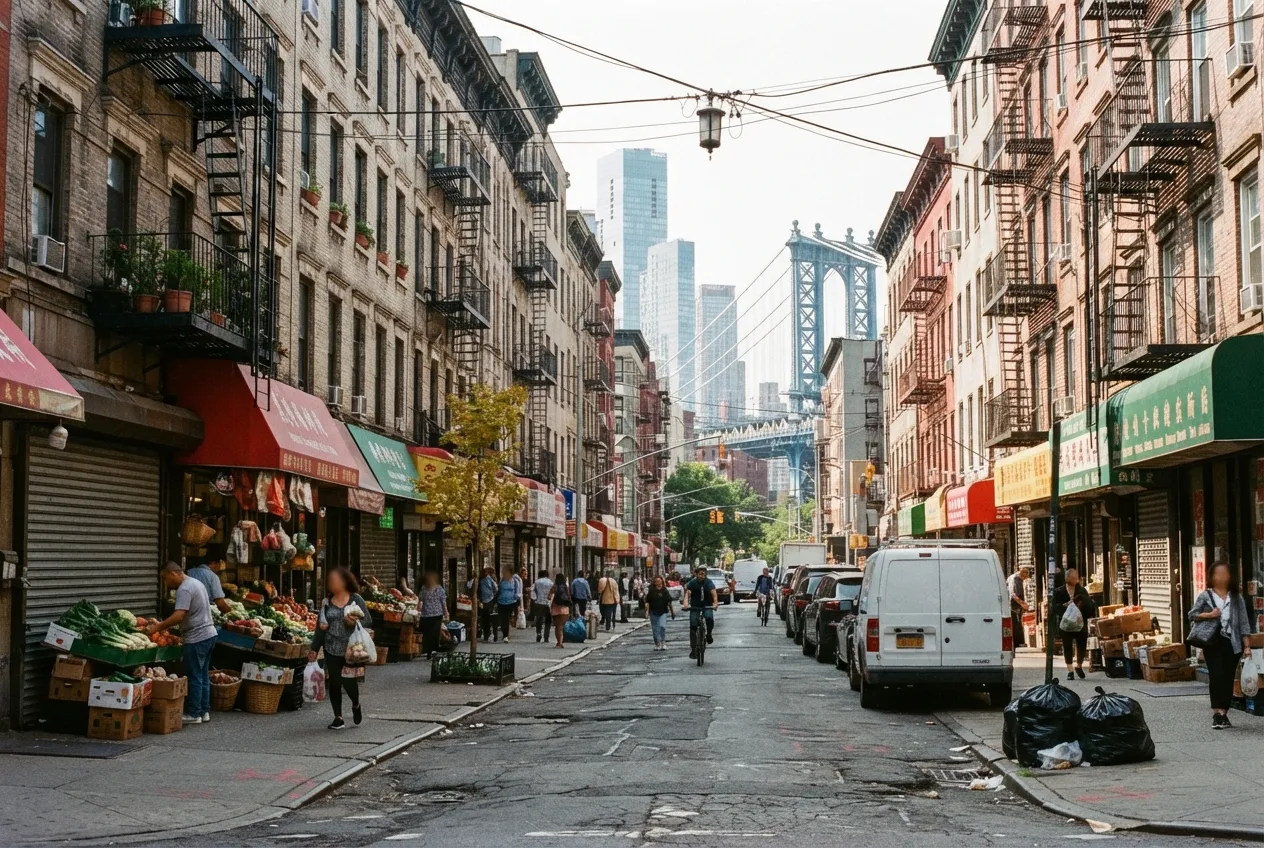
Chinatown is about a mile south of our Manhattan office, so our certified technicians can reach homes and buildings here quickly. Much of the neighborhood's housing is older walk-up and pre-war apartment buildings, many with shops on the ground floor and apartments above. That mix brings shared boiler chimneys, aging masonry flues, long dryer vent runs and duct systems that have gathered years of dust. We clean, inspect and repair chimneys and vents for owners, managers and residents across Chinatown and in nearby Two Bridges, the Lower East Side, Tribeca, Civic Center and SoHo.
What Chimneys and Vents Look Like in Chinatown Buildings
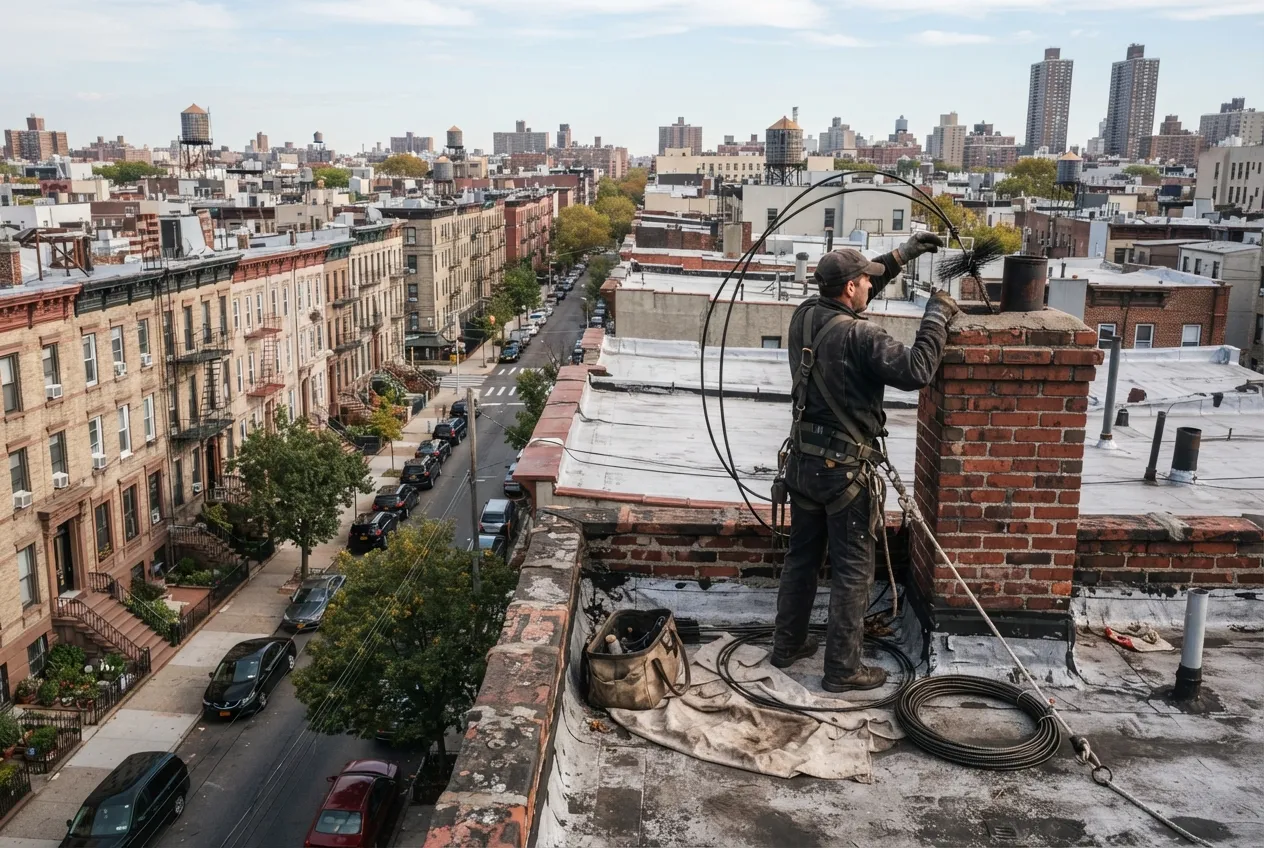
Most chimneys we see in Chinatown serve a building's boiler rather than a living-room fireplace. One masonry flue often carries exhaust for heat and hot water for every apartment and storefront in the building. When that flue is partly blocked, cracked or poorly lined, the effects can reach every unit.
Some renovated apartments and older units still have working or decorative fireplaces. Those need the same attention as any other fireplace: a clean flue, a damper that opens and seals, and a firebox in sound condition before anyone lights a fire.
- Boiler chimneys shared by many units
- Masonry flues that may need relining after fuel changes
- Fireplaces and dampers in older or renovated apartments
- Dryer vents and ductwork in apartments and mixed-use spaces
How Manhattan Weather Wears Down Masonry
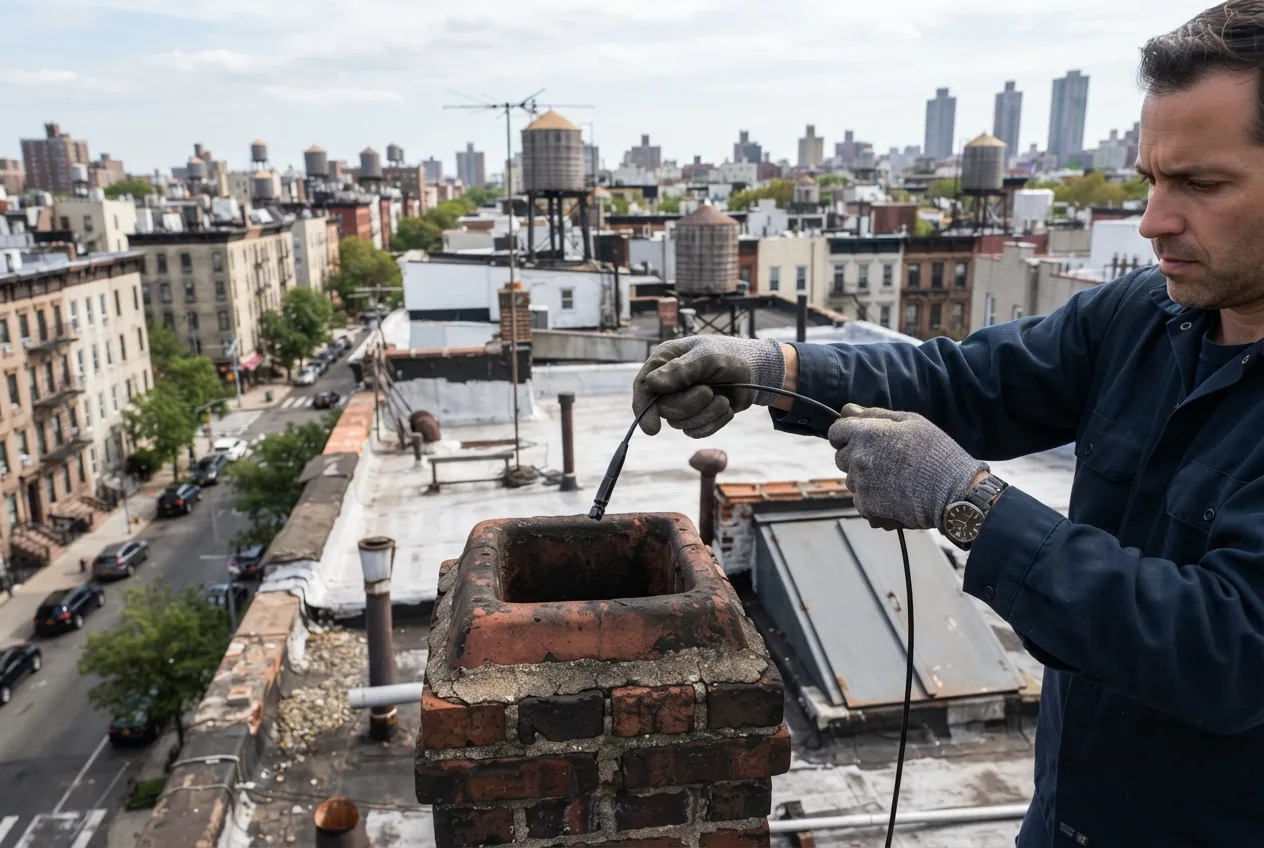
New York winters cycle above and below freezing many times. Water that soaks into brick and mortar freezes, expands and widens small cracks a little more each time. Wind-driven rain from coastal storms pushes moisture into crowns and mortar joints, and humid summers keep damp masonry from drying out.
A chimney cap keeps rain, debris and birds out of the flue, and a sound crown or chase cover sheds water away from the brick. Breathable waterproofing slows water absorption while still letting the masonry dry. When damage has gone too far, we repair or rebuild the affected section of the chimney.
Planning Around Heat Season
New York City's heat season runs from October 1 through May 31. During those months building owners must keep apartments heated to the city's minimum temperatures, so a boiler chimney that has to be shut down for repairs can create real problems for tenants.
The easiest time to sweep, inspect or reline a boiler chimney is late spring through early fall. Booking then gives you time to address anything we find before the heat has to be on.
Time for your annual chimney check?
Oil-to-Gas Conversions and Chimney Liners
Many older Manhattan buildings have switched boilers from oil to gas. When a New York City building makes that conversion, the chimney has to be evaluated as part of the work. A new liner is often needed because gas exhaust produces acidic condensate that can corrode a masonry flue from the inside.
We inspect the existing flue, explain what we find in plain terms and install a properly sized liner when one is needed. If your building converted in the past and the chimney was never relined, an inspection is a sensible next step.
Inspections, Dryer Vents and Air Ducts
The NFPA 211 standard calls for chimneys, fireplaces and vents to be inspected once a year. Chimney professionals use three inspection levels, and we use the one that fits your situation.
Dryer vents matter too. According to the U.S. Fire Administration, failure to clean is the leading factor contributing to clothes dryer fires in homes. Long vent runs in apartment buildings collect lint quickly. For air ducts, we follow the U.S. EPA's guidance: cleaning makes sense when there is substantial visible mold growth, vermin, or excessive dust and debris. We will tell you honestly if your ducts don't need it.
- Level 1: a yearly check when nothing about the system has changed
- Level 2: when you add an appliance, switch fuels or sell the property
- Level 3: when a hidden hazard requires opening part of the chimney or building
Services in Chinatown
- Chimney Sweep in ChinatownLocal service & repairs
- Chimney Inspection in ChinatownLocal service & repairs
- Chimney Repair in ChinatownLocal service & repairs
- Air Duct Cleaning in ChinatownLocal service & repairs
- Chimney Liner Installation in ChinatownLocal service & repairs