The short answer
The NFPA 211 standard calls for chimneys, fireplaces and vents to be inspected once a year. In Chinatown's older buildings, you also need an inspection when you change appliances or fuel, such as an oil-to-gas boiler conversion, or when the property is sold. The best time to schedule is before heat season starts on October 1.
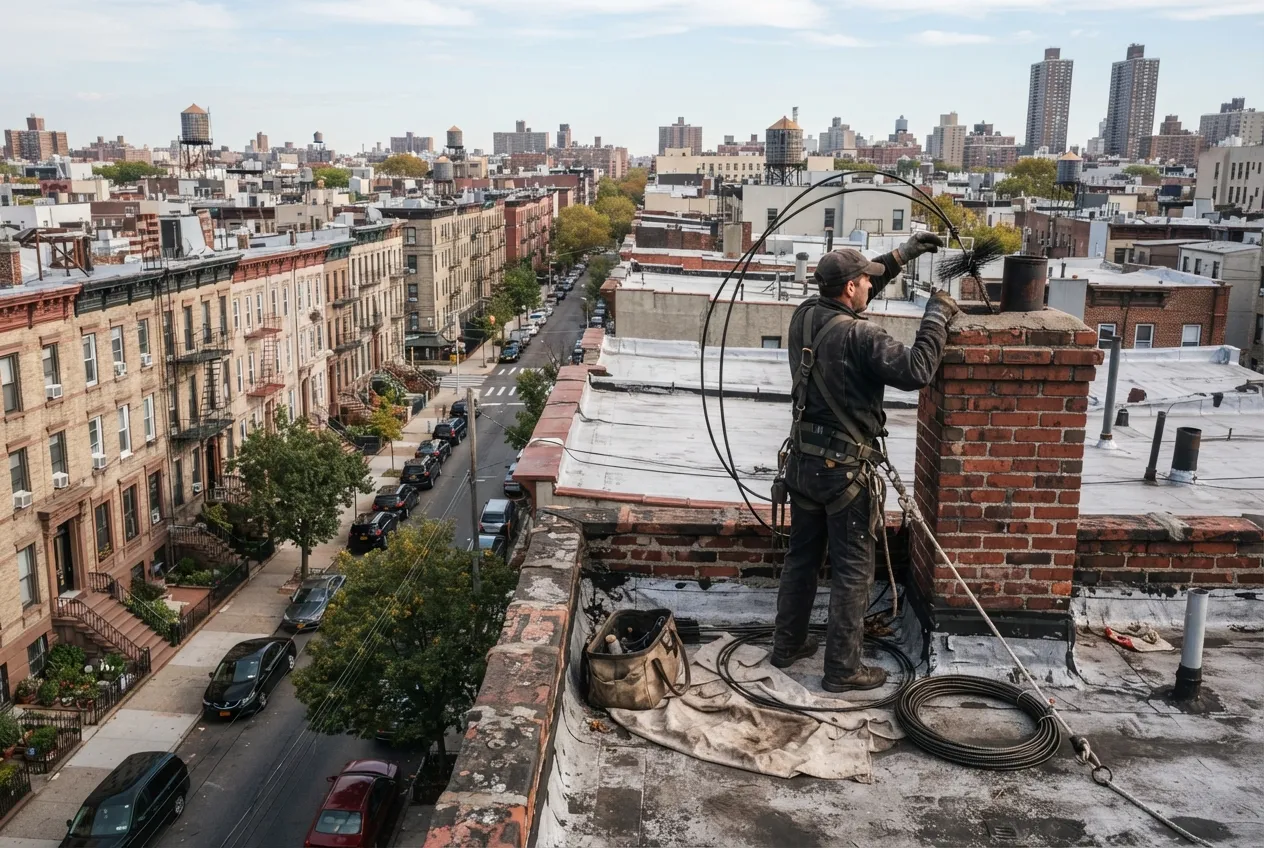
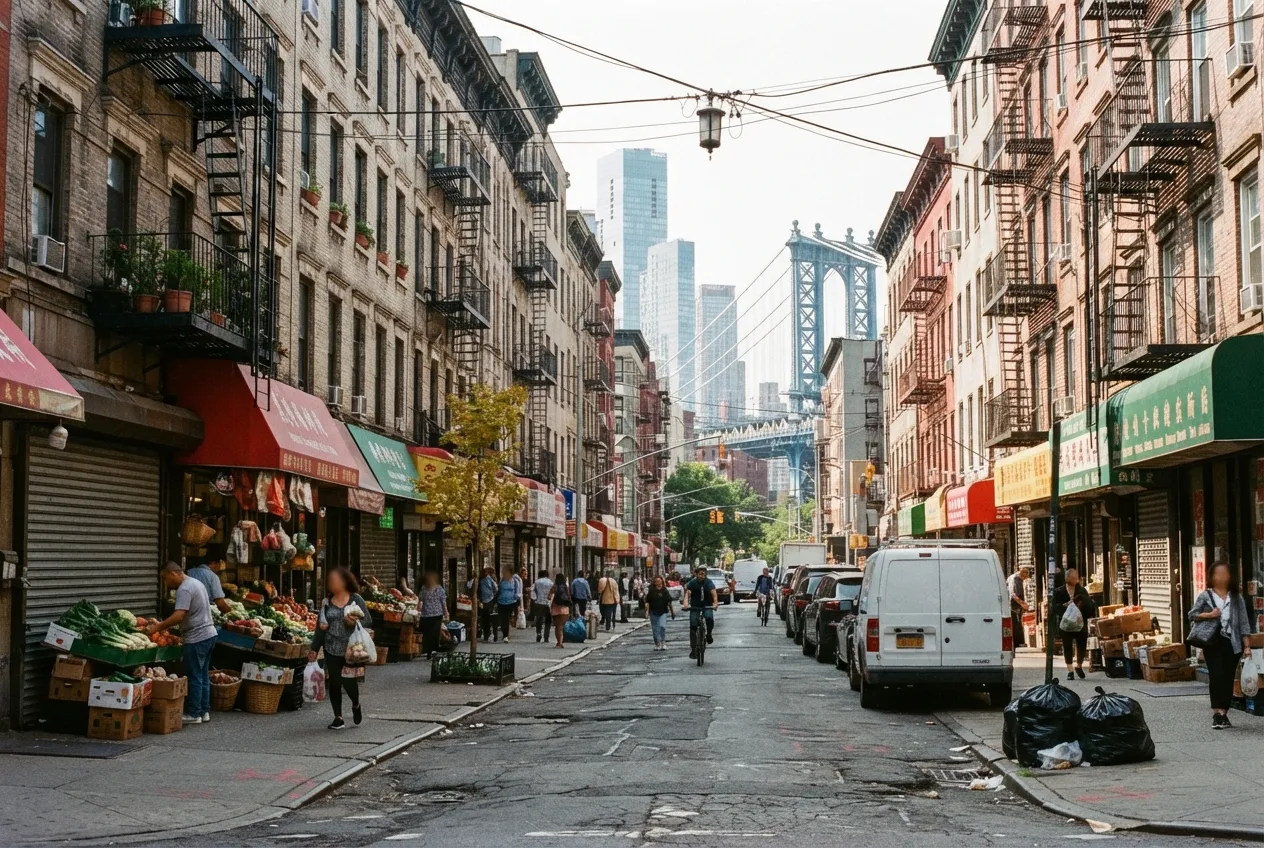
Many homes in Chinatown sit in older masonry buildings: pre-war walk-ups, mixed-use buildings with shops on the ground floor, and a few rowhouses. Many still have a working chimney or flue. Some vent a fireplace. Many more carry exhaust from a boiler or water heater that runs all winter. FirstChoice Chimney Services is based in Manhattan, about a mile north of Chinatown. Our certified technicians inspect chimneys, fireplaces and vents for homeowners and building owners here. This page explains what an inspection covers, when you need one, and what to expect.
Why Older Chinatown Buildings Need Regular Chimney Checks
Most chimneys in this part of Manhattan are brick and mortar flues built long before today's heating equipment. Over the decades, mortar joints wear down, flue tiles crack, and liners shift. Moisture also gets into the masonry. None of this is easy to see from inside an apartment or a basement boiler room.
In a building with several units, one flue may serve a central boiler that runs for months at a time. A blockage or a cracked liner can send exhaust, including carbon monoxide, back into the building instead of up and out. A yearly inspection is how you catch these problems while they are still small.
The Three Levels of Chimney Inspection
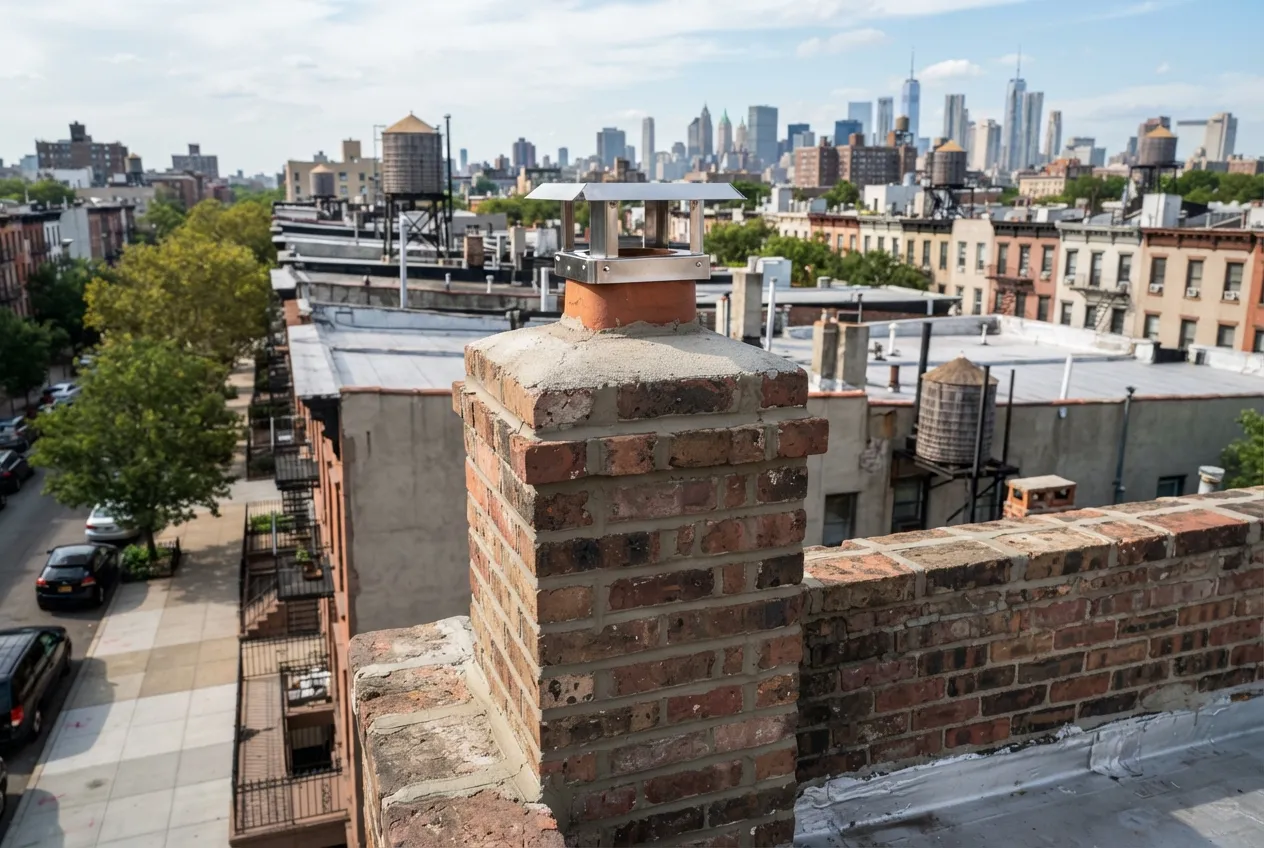
Chimney professionals sort inspections into three levels. The level depends on what has changed and what needs to be seen. We will tell you which level fits your situation before any work begins.
- Level 1: The routine yearly check when nothing about the system has changed. We look at the accessible parts of the chimney, the flue and the connected appliance.
- Level 2: Needed when the system changes, such as a new boiler, a new water heater or a switch of fuel. It is also needed when the property is sold. It includes a closer look at the flue interior, usually with a camera.
- Level 3: Used when a suspected hazard is hidden and can only be reached by opening part of the chimney or the building. This level is not routine. It comes up only when earlier findings point to a concealed problem.
Oil-to-Gas Conversions and Chimney Liners
Many older New York City buildings have switched, or are planning to switch, their boilers from oil to gas. When that happens, the chimney has to be evaluated as part of the work. Gas exhaust produces acidic condensate, and that condensate can corrode a masonry flue that was built for oil.
Because of this, a new liner is often needed after a conversion. If your building is converting, or converted recently without a full chimney review, a Level 2 inspection will show whether the existing flue is suitable. It will also show whether a liner should be installed.
Time for your annual chimney check?
Timing Your Inspection Around Heat Season
New York City's heat season runs from October 1 through May 31. During those months, building owners must keep apartments heated to the city's minimum temperatures. Finding a flue problem in the middle of January can mean shutting down a boiler when tenants depend on it.
For that reason, late spring, summer and early fall are the most practical times to inspect. If a repair or relining is needed, there is time to finish it before the heat has to be on.
What We Look At During an Inspection
Every inspection is tailored to the building. A typical visit in a Chinatown home or building covers the following:
- The condition of the flue and its liner, including cracks, gaps and corrosion
- Soot, creosote or debris buildup that restricts draft
- The connection between the boiler, furnace or water heater and the chimney
- Obstructions such as nesting material or fallen masonry
- Exterior brickwork, the chimney crown and the cap, where we can safely reach them
- Signs of water entry or staining around the chimney
Serving Chinatown and Nearby Neighborhoods
Our office is a short trip from Chinatown, so scheduling is simple. We also inspect chimneys in Two Bridges, the Lower East Side, Tribeca, Civic Center and SoHo, where many buildings share the same pre-war construction. After each inspection, we explain what we found in plain language. We show you photos or camera footage when available, and we tell you what, if anything, needs attention.
More services in Chinatown
- Chimney Sweep in ChinatownLocal service & repairs
- Chimney Repair in ChinatownLocal service & repairs
- Air Duct Cleaning in ChinatownLocal service & repairs
- Chimney Liner Installation in ChinatownLocal service & repairs