The short answer
The NFPA 211 standard calls for chimneys, fireplaces and vents to be inspected once a year, and West Village homes are no exception. A Level 1 inspection fits most years, a Level 2 is called for when you buy or sell, add an appliance, or switch fuels, and a Level 3 is used only when a hidden problem has to be reached by opening part of the structure.
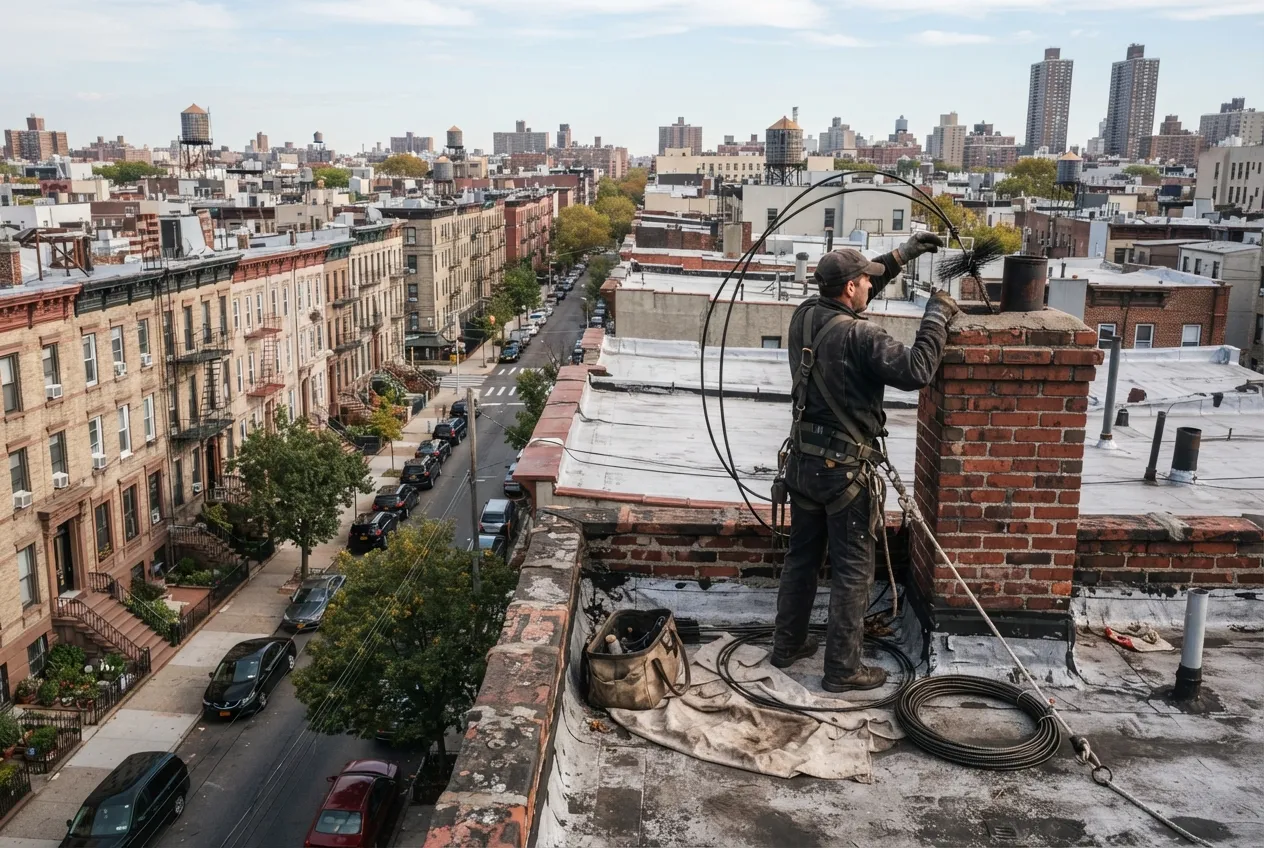
Many West Village homes have chimneys that are older than anyone living there, and many of those flues have been relined, partly blocked, or shared with a neighbor's system over the years. A chimney inspection tells you what is actually going on inside: whether the flue is intact, whether the liner fits the appliance it serves, and whether anything is blocking the path for smoke and exhaust. FirstChoice Chimney Services is based in Manhattan, about a mile southeast of the neighborhood. Our certified technicians inspect fireplaces, wood stoves, and boiler and furnace flues in rowhouses, brownstones, and pre-war apartment buildings throughout the 10014 ZIP code.
Why West Village Chimneys Need a Close Look
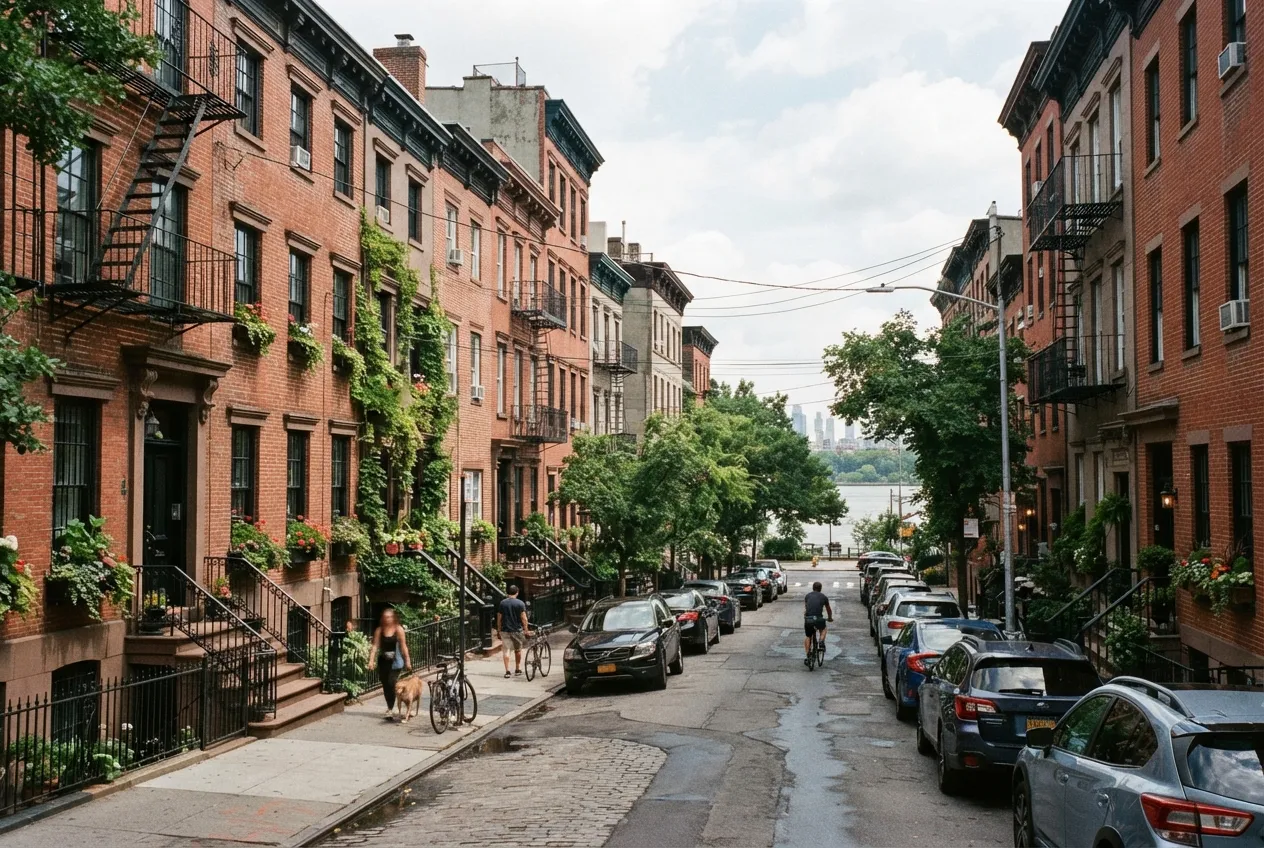
Housing in the West Village is mostly older masonry: rowhouses, brownstones, and pre-war walk-ups and apartment buildings. Brick and mortar flues in buildings like these can last a long time, but they wear out in ways you can't see from the room. Mortar joints erode, clay tiles crack, and old fireplaces that sat unused for decades may have debris, nesting material, or a damper rusted in place.
Many homes here also have more than one flue running through a shared chimney stack. A fireplace flue might sit right next to a flue venting a boiler or water heater. An inspection confirms which flue serves which appliance, and whether each one is in good enough shape to do its job.
The Three Inspection Levels, Explained
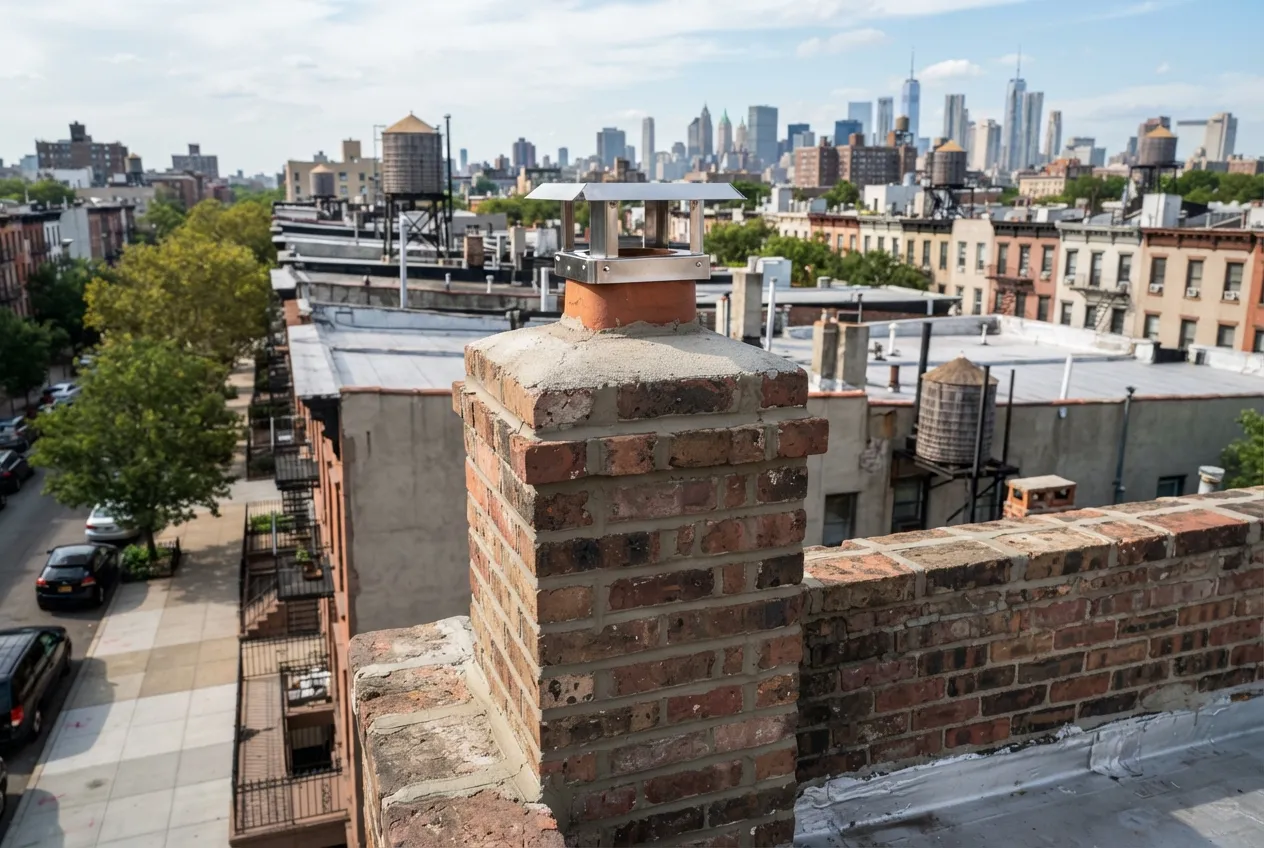
Chimney professionals use three levels of inspection. We recommend the level that fits your situation, not the most involved one by default.
- Level 1: For chimneys that have been in steady use with no changes. We check the readily accessible parts of the chimney exterior and interior, the appliance, and the connections, and confirm the flue is clear and free of combustible deposits.
- Level 2: Needed when the home is sold or bought, when a new appliance is installed, or when you switch fuels. It includes everything in Level 1 plus a camera scan of the flue interior and a check of accessible attics, basements, and crawl spaces.
- Level 3: Used only when a serious hidden hazard is suspected and the only way to reach it is by removing part of the chimney or building, such as a section of wall or chimney crown.
Oil-to-Gas Conversions and Liner Checks
Some West Village buildings have converted, or are planning to convert, their boilers from oil to gas. In New York City, the chimney has to be evaluated as part of that work. Gas exhaust produces acidic condensate, and that moisture can eat away at a masonry flue that was built for oil. A new liner is often needed as a result.
If your building is converting, a Level 2 inspection gives you and your contractor a clear picture of the flue's current condition and whether a liner is required before the new equipment goes into service. If a conversion was done years ago, an inspection can confirm the liner is still sound.
Time for your annual chimney check?
Timing Your Inspection Around Heat Season
New York City's heat season runs from October 1 through May 31. During those months, building owners must keep apartments heated to the city's minimum temperatures, which means the boiler and its chimney are working hard. Finding a blocked or damaged flue in January can leave you scrambling.
For boiler and furnace flues, late summer or early fall is a practical time to inspect, so any repairs can be scheduled before heat is required. For fireplaces, the same window works well: you'll know the fireplace is safe before the first cold evening you want to use it.
What You Get After the Inspection
After every inspection, we walk you through what we found in plain terms. You'll get a written report with photos or camera images of problem areas, notes on each flue we checked, and clear recommendations. We separate what needs attention now from what can be monitored. If the chimney is in good shape, we'll tell you that, too.
We also serve nearby neighborhoods, including Greenwich Village, SoHo, Little Italy, Hudson Square, and Gramercy, so if you own property in more than one part of lower Manhattan, we can inspect each one.
More services in West Village
- Chimney Sweep in West VillageLocal service & repairs
- Chimney Repair in West VillageLocal service & repairs
- Air Duct Cleaning in West VillageLocal service & repairs
- Chimney Liner Installation in West VillageLocal service & repairs