The short answer
A chimney liner is a protective channel inside the flue that carries exhaust safely out of the building and keeps heat and acidic condensate away from the masonry. In Two Bridges, liners are most often needed after a boiler is converted from oil to gas, when an old clay liner has cracked, or when a new appliance needs a flue of a different size.
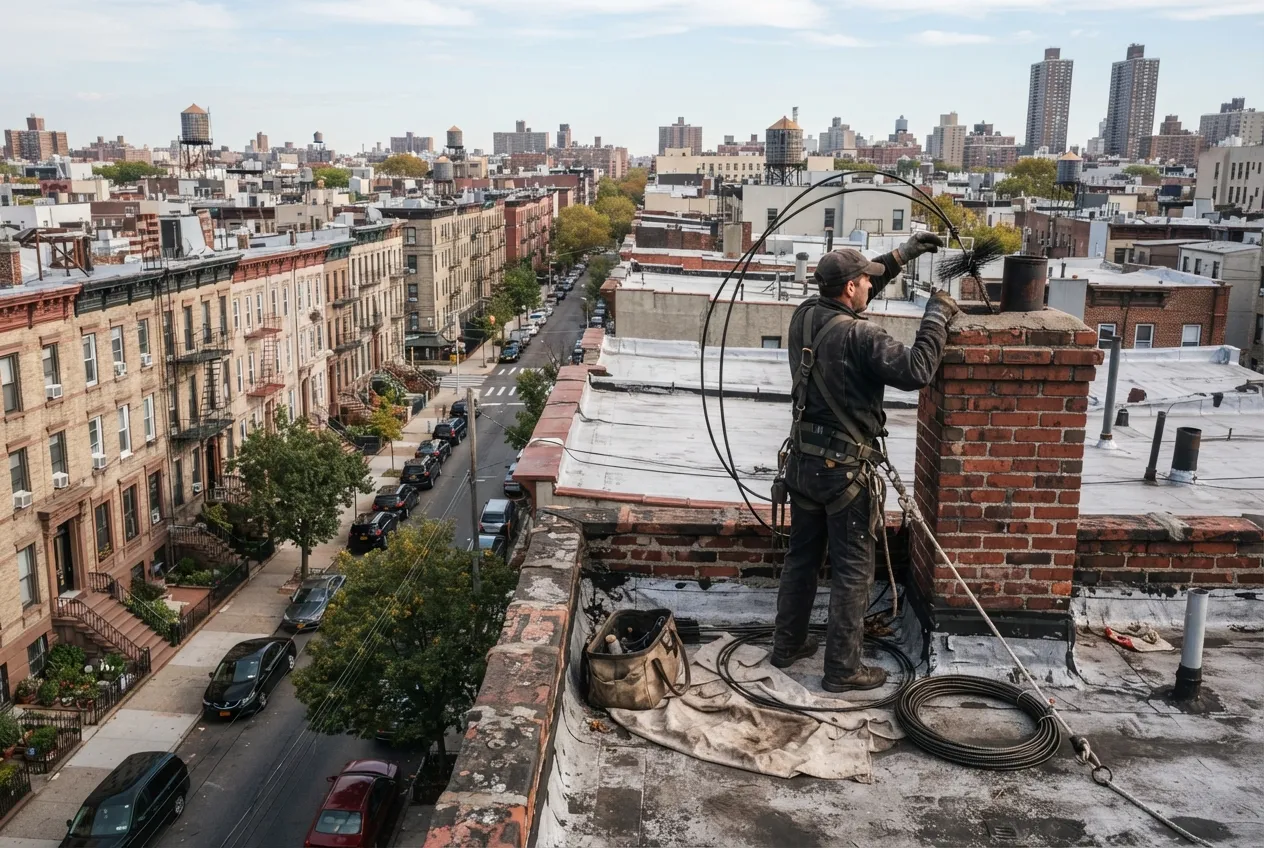
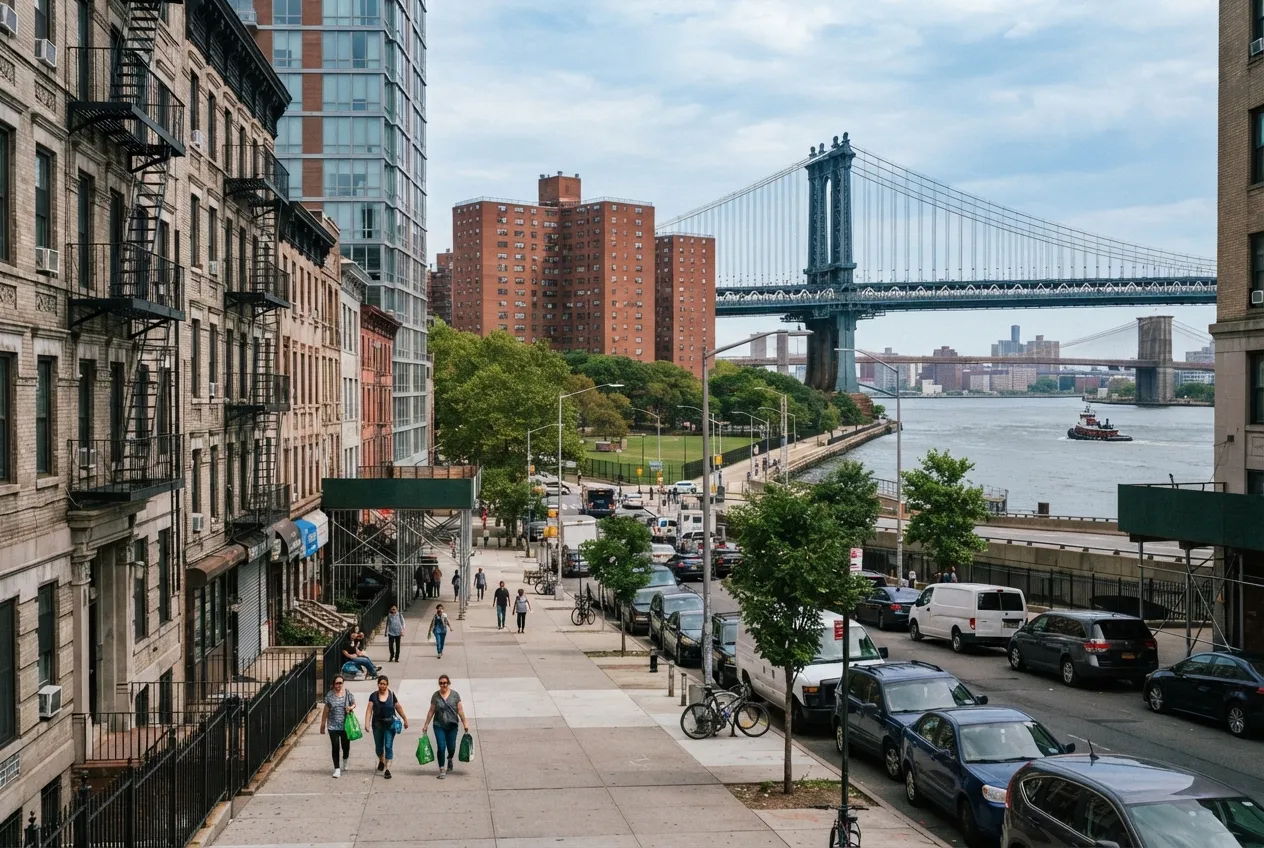
Many older buildings in Two Bridges have chimneys that were built long before today's heating equipment existed. The neighborhood's pre-war apartment buildings, walk-ups, and rowhouses often still vent through original masonry flues. Those flues may be unlined, cracked, or sized for a fuel the building no longer burns. FirstChoice Chimney Services installs chimney liners for homes and buildings in Two Bridges. Our office is about a mile north, so our certified technicians can inspect a flue, explain what it needs, and schedule the work without a long wait.
Why Two Bridges Chimneys Often Need a New Liner
Much of the housing in Two Bridges is older masonry construction, including pre-war walk-ups and mid-size apartment buildings with tall shared flues. Many of these chimneys have served oil-fired boilers for decades. Over that time, heat cycles, moisture, and soot can loosen mortar joints and crack clay tile liners. Some flues were never lined at all.
A damaged or missing liner lets exhaust and heat reach the brick and the building framing around it. It can also let carbon monoxide leak into living space through gaps in the masonry. A new liner restores a sealed, correctly sized path for exhaust from the appliance to the top of the chimney.
Oil-to-Gas Conversions in Manhattan Buildings
When a New York City building converts its boiler from oil to gas, the chimney has to be evaluated as part of the work. Gas exhaust is cooler and wetter than oil exhaust. It produces acidic condensate that can corrode a masonry flue from the inside, so a new liner is often needed.
We regularly work with owners and boiler contractors on these projects. We inspect the existing flue and confirm whether it can safely carry the new appliance's exhaust. If it can't, we install a liner matched to the new equipment. Planning the chimney work early helps keep a conversion on schedule. That matters because the city's heat season runs from October 1 through May 31, when apartments must be kept at minimum temperatures.
How We Install a Chimney Liner
Every job starts with an inspection. The NFPA 211 standard calls for a Level 2 inspection when a heating system changes, such as a new appliance or a switch of fuel. We use a camera to examine the full length of the flue before recommending anything.
- Inspect the flue with a camera and note cracks, gaps, blockages, and the current liner condition
- Measure the flue and match the liner size to the appliance it will serve
- Clean the chimney so the liner can be installed on a clear path
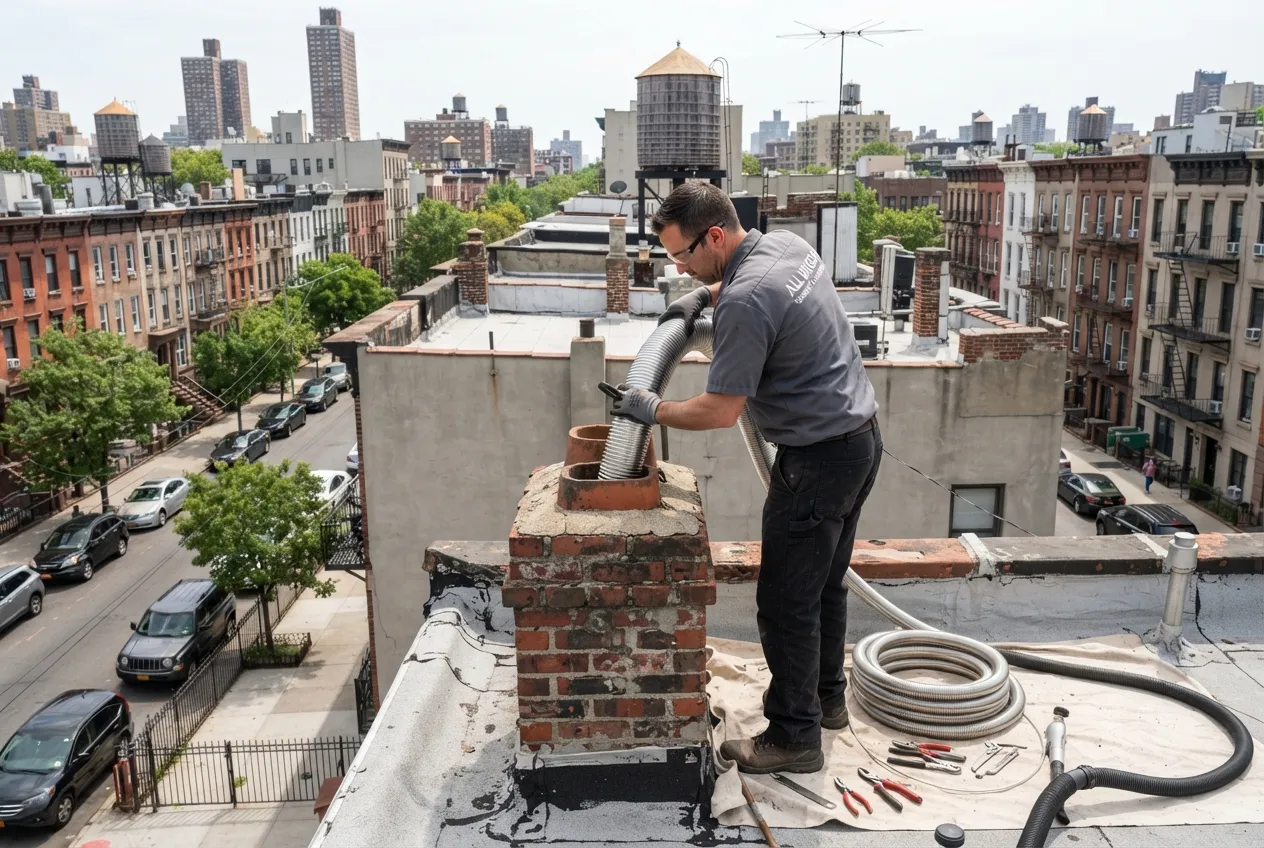
- Install the liner, typically stainless steel for gas and oil appliances, from the top of the chimney down
- Connect the liner to the appliance and seal and cap the top
- Check draft and the connections, then walk you through what was done
Time for your annual chimney check?
Choosing the Right Liner
Stainless steel liners are the most common choice for boilers, furnaces, and water heaters in city buildings. They resist acidic condensate and fit through flues with bends or offsets. Some fireplaces and larger flues are better served by other systems. We explain the options that fit your chimney and appliance and tell you why we recommend one over another.
Sizing matters as much as material. A liner that is too large can let exhaust cool and condense. One that is too small can restrict draft. We size each liner to the equipment it serves, not to a standard stock size.
Serving Two Bridges and Nearby Neighborhoods
Along with Two Bridges, we install chimney liners in Chinatown, the Lower East Side, Tribeca, Civic Center, and SoHo. These areas share much of the same older housing stock, and the same chimney problems tend to show up across them. If you own a rowhouse, manage a walk-up, or are planning a boiler replacement, we can inspect the flue and tell you plainly whether it needs a liner.
More services in Two Bridges
- Chimney Sweep in Two BridgesLocal service & repairs
- Chimney Inspection in Two BridgesLocal service & repairs
- Chimney Repair in Two BridgesLocal service & repairs
- Air Duct Cleaning in Two BridgesLocal service & repairs