The short answer
The NFPA 211 standard calls for chimneys, fireplaces, and vents to be inspected once a year, and that applies to Tribeca homes and buildings. FirstChoice Chimney Services provides Level 1, Level 2, and Level 3 chimney inspections in Tribeca, matching the level to whether anything about your system has changed.
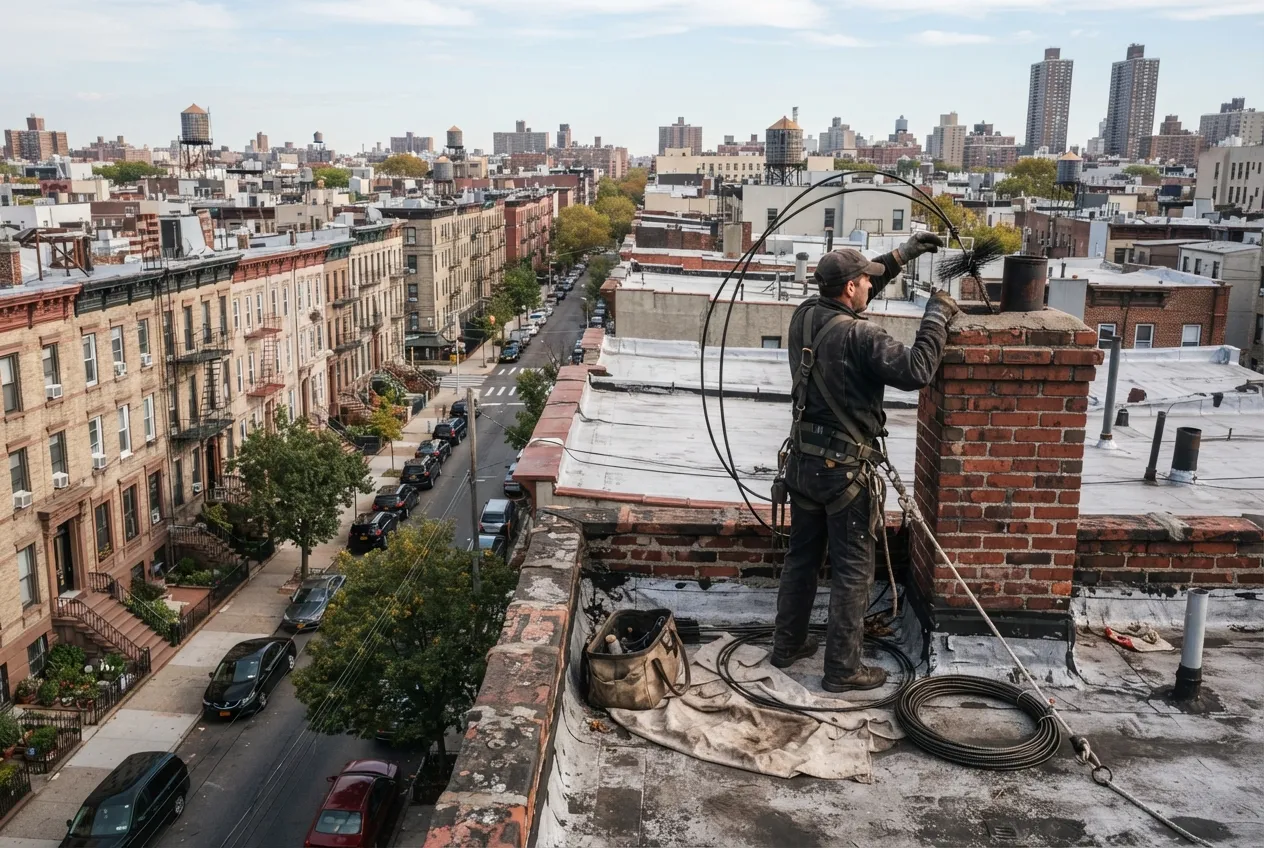
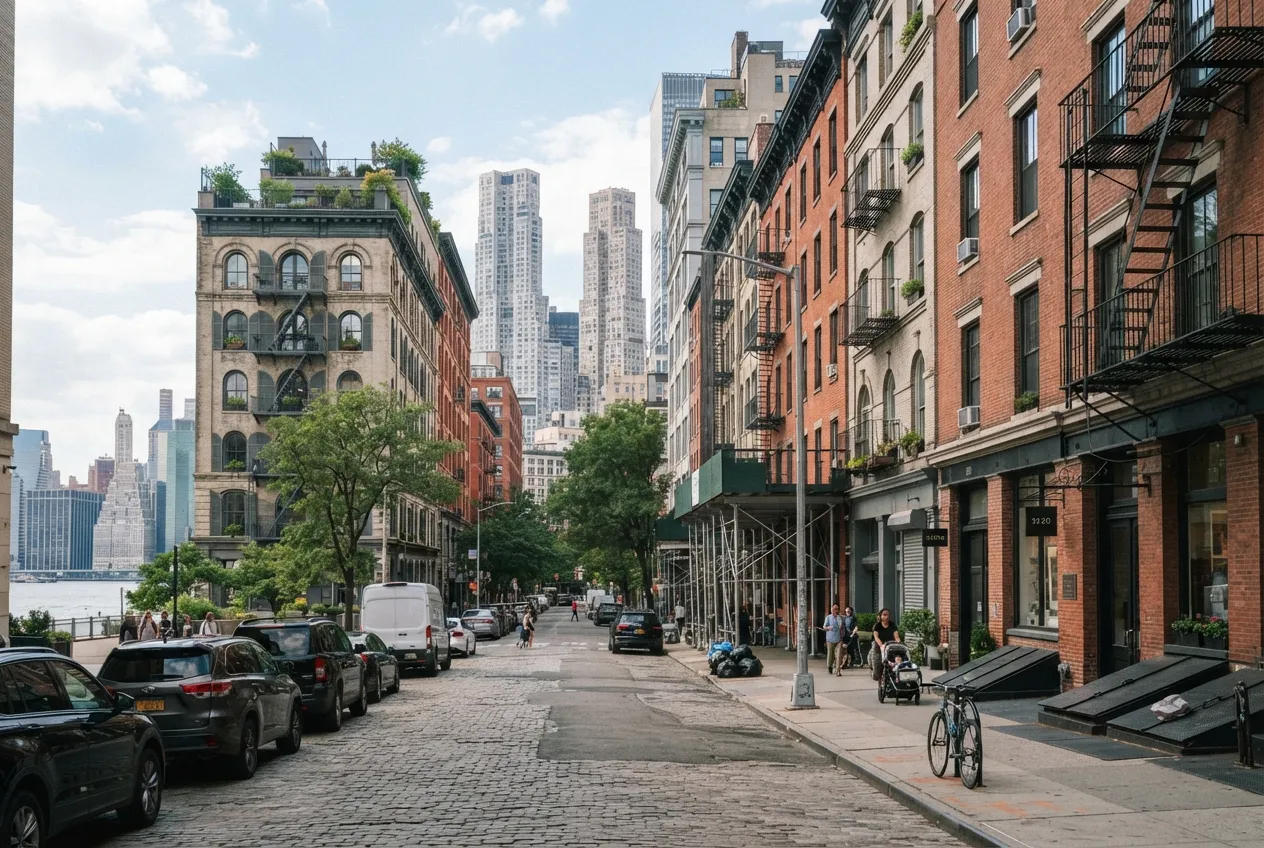
Tribeca has a lot of fireplaces and flues that are easy to forget about. Converted loft buildings, townhouses, and pre-war apartment buildings often have chimneys that were built for one purpose and are now used for another, or not used at all. FirstChoice Chimney Services inspects chimneys, fireplaces, and vents throughout Tribeca, including ZIP codes 10007, 10013, 10278, and 10279. We're based about a mile northeast in Manhattan, so getting to you is a short trip. Our certified technicians look at how your system is built, how it's being used, and what has changed since it was last checked. Then they tell you plainly what they found.
Why Tribeca Chimneys Need Regular Inspection
Many Tribeca residences sit in older masonry buildings that have been renovated, sometimes more than once. A fireplace may have been rebuilt, a flue may have been closed off, or a boiler may have been swapped out, and the chimney isn't always reviewed as part of that work. An inspection shows whether the chimney still fits the way the building runs today.
The NFPA 211 standard calls for chimneys, fireplaces, and vents to be inspected once a year. That covers wood-burning fireplaces in townhouses and lofts, and it also covers the flues that carry exhaust from boilers and water heaters in apartment buildings. A flue you never think about can still be carrying combustion gases out of the building every day.
Choosing the Right Inspection Level
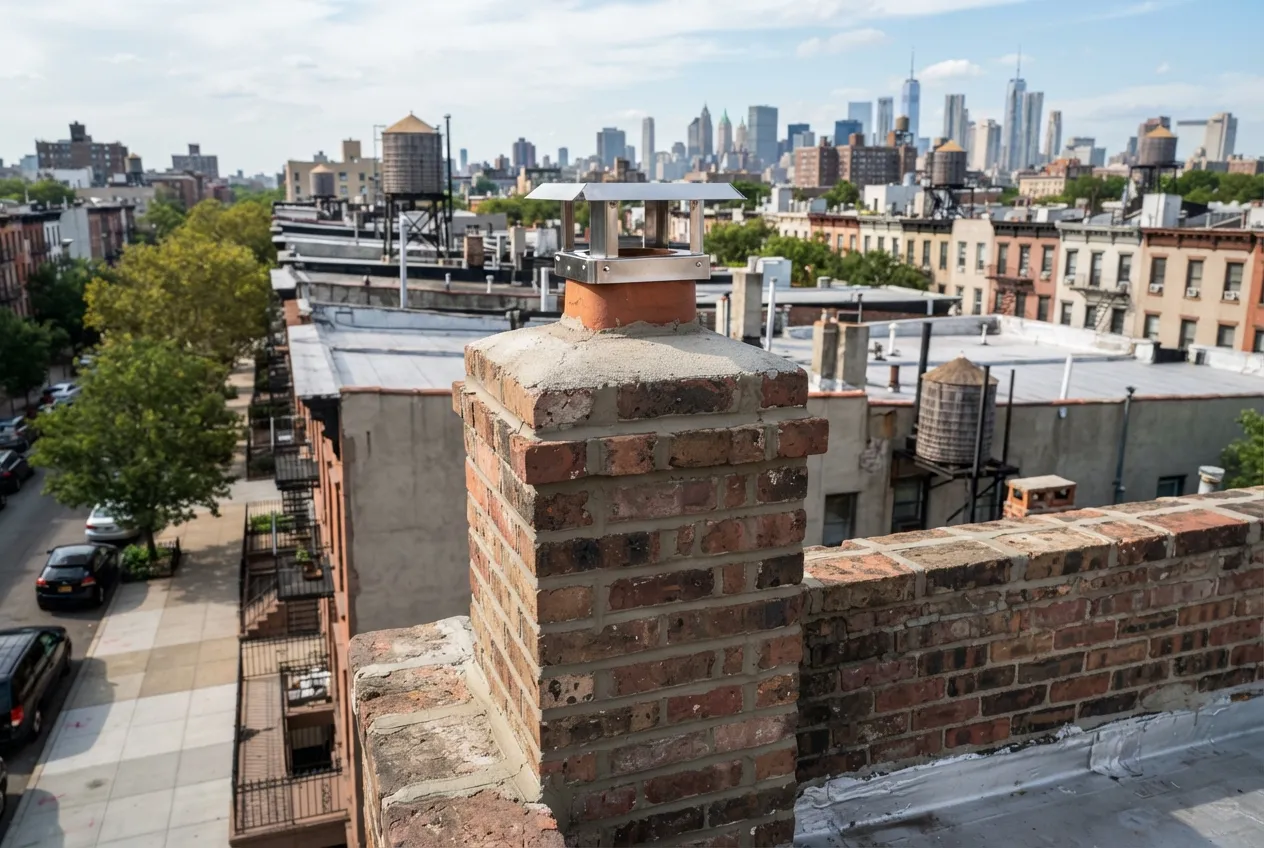
Chimney professionals use three inspection levels. We'll recommend one based on your situation, not on what's easiest to sell.
- Level 1: For a chimney whose use and setup haven't changed. We check the readily accessible parts of the chimney, the fireplace or appliance connection, and look for blockages, buildup, and visible damage.
- Level 2: For when something has changed, such as a new appliance, a switch in fuel, or a sale of the home. This is a more detailed look at the whole system, often including a camera inspection of the flue's interior and accessible areas like attics and basements.
- Level 3: For when a hidden hazard has to be reached by opening part of the chimney or building. It's used only when an earlier inspection points to a concern that can't be confirmed any other way.
Oil-to-Gas Conversions and Flue Liners
Some Tribeca buildings have moved, or are planning to move, their boilers from oil to gas. When a New York City building makes that conversion, the chimney has to be evaluated as part of the work. Gas exhaust produces acidic condensate, and that moisture can corrode a masonry flue that was built for oil. Because of this, a new liner is often needed.
If your building is planning a conversion, a Level 2 inspection gives the owner, board, or managing agent a clear picture of the flue's condition before the boiler work goes forward. If a conversion has already happened and the chimney was never reviewed, we can check it now and let you know whether the liner suits gas service.
Time for your annual chimney check?
Timing Around the Heat Season
New York City's heat season runs from October 1 through May 31, when building owners must keep apartments heated to the city's minimum temperatures. A chimney problem found in January is harder to deal with, because the boiler it serves can't simply sit idle while repairs are planned.
For apartment buildings and mixed-use properties, late spring and summer are practical times to schedule inspections. For townhouse and loft owners who use a wood-burning fireplace, an inspection before the first fire of the fall makes sense. If you've noticed smoke backing up, unusual odors, or debris falling into the firebox, don't wait for a convenient season. Call us to schedule a visit.
What You Get After the Inspection
After the visit, we explain what we saw in plain terms. If everything is in working order, we'll tell you that. If we find buildup, cracked flue tiles, deteriorated mortar, a damaged crown, a missing cap, or a liner that doesn't fit the appliance, we explain what it means and which items need attention first.
We also serve nearby neighborhoods, including Civic Center, SoHo, Little Italy, Hudson Square, and Chinatown. That's useful for owners and managers with more than one property in lower Manhattan.
More services in Tribeca
- Chimney Sweep in TribecaLocal service & repairs
- Chimney Repair in TribecaLocal service & repairs
- Air Duct Cleaning in TribecaLocal service & repairs
- Chimney Liner Installation in TribecaLocal service & repairs