The short answer
The NFPA 211 standard calls for chimneys, fireplaces and vents to be inspected once a year, and Hudson Square homes and buildings are no exception. Most yearly visits are a Level 1 inspection. A Level 2 inspection is used when a home is sold or the system changes, such as an oil-to-gas boiler conversion.
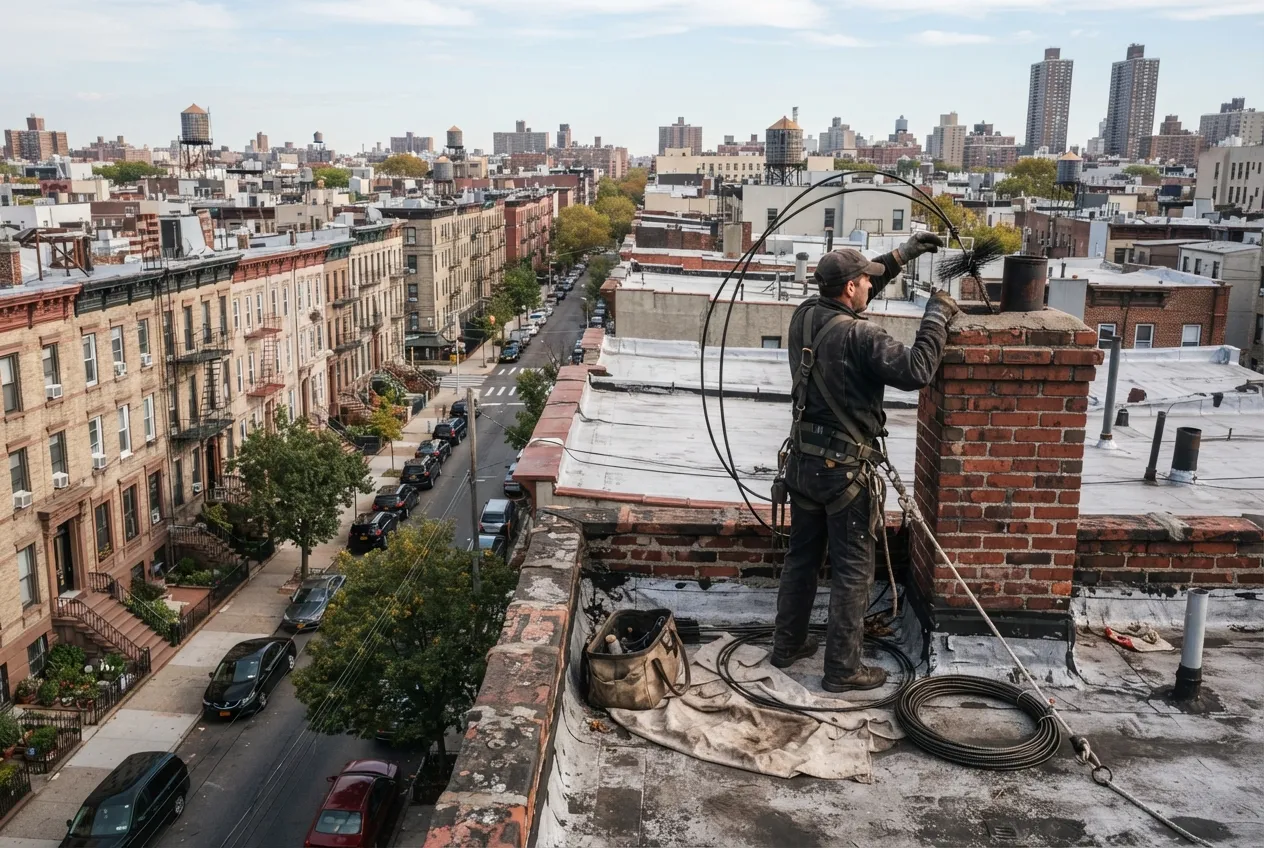
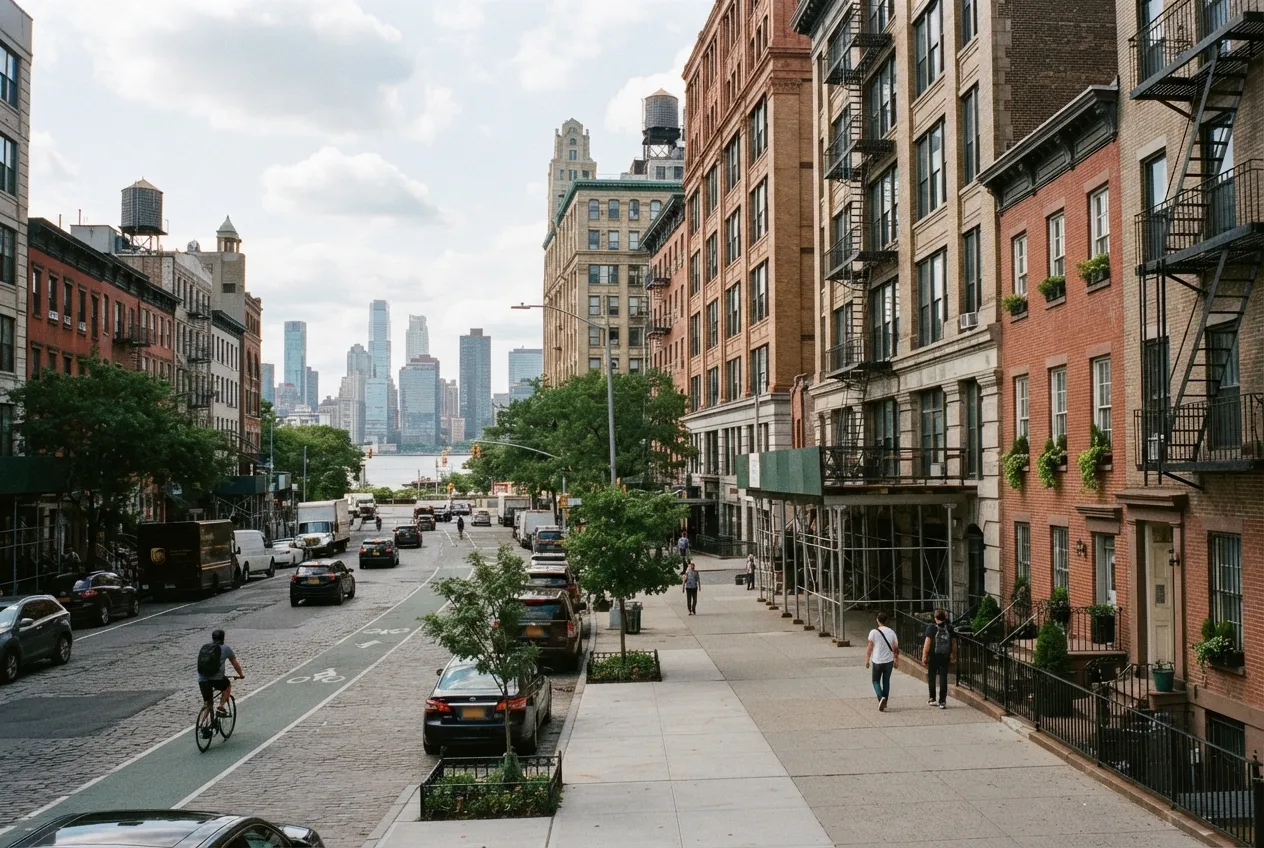
Our office is at 90 W Houston St, so Hudson Square is the neighborhood we know best. Homes here range from older rowhouses with working fireplaces to pre-war apartment buildings and converted loft buildings that vent their boilers through shared masonry flues. Each of these systems ages differently. Most of the damage that matters, such as cracked flue tiles, failing mortar or a corroded liner, can't be seen from inside the apartment. A chimney inspection tells you what condition the system is in before you light a fire or the building turns on the heat, and what, if anything, needs attention.
What the Yearly Inspection Standard Calls For
The NFPA 211 standard calls for chimneys, fireplaces and vents to be inspected once a year. That applies whether you use a wood-burning fireplace every weekend in winter or only have a gas boiler or water heater venting through an old masonry flue. Even a chimney that sees little use can collect debris, take on water or shift over time.
Chimney professionals use three inspection levels. Level 1 is for when nothing has changed. Level 2 is for when the system changes, for example a new appliance or a switch of fuel, or when the home is sold. Level 3 is for when a hidden hazard has to be reached by opening part of the chimney or building. Most yearly visits are Level 1. If we see a reason to go further, we'll tell you what it is and why before any additional work is done.
Which Inspection Fits Your Home
This is how the levels usually match up with the situations we see in Hudson Square and the surrounding 10012 area. The same applies in the nearby neighborhoods we also serve: SoHo, Little Italy, Tribeca, Civic Center and Greenwich Village.
- Level 1: A rowhouse fireplace or a building flue that has been in steady use with no changes since its last inspection.
- Level 2: You're buying or selling a home, you've added a fireplace insert or stove, or the building's boiler has switched fuel.
- Level 3: A Level 2 inspection points to a hidden problem that can only be confirmed by opening part of the chimney or building, such as damage behind a wall or ceiling.
Oil-to-Gas Conversions and Chimney Liners
Many older buildings in this part of Manhattan were built to burn oil. When a New York City building converts its boiler from oil to gas, the chimney has to be evaluated as part of the work. A new liner is often needed because gas exhaust produces acidic condensate that can corrode a masonry flue.
If your building is planning a conversion, an inspection shows whether the existing flue is suitable or will need a liner. The same applies if the conversion was finished without a close look at the chimney. We explain the findings in plain terms so owners, co-op and condo boards, and managing agents can plan the next step with their boiler contractor.
Time for your annual chimney check?
Timing Your Inspection Around the Heat Season
New York City's heat season runs from October 1 through May 31. During that period, building owners must keep apartments heated to the city's minimum temperatures. A chimney problem found in the middle of winter is harder to fix without shutting down the boiler and disrupting residents.
Booking the inspection in late spring or summer leaves time for any repairs before the boiler is needed again. For rowhouse owners with a fireplace, the same idea applies: schedule before the first cold weekend, not after.
What Our Certified Technicians Check
Our certified technicians start with the parts of the system you can see and work toward the parts you can't. A typical inspection covers:
- Firebox, damper and smoke chamber, checking for cracks, gaps and soot or creosote buildup
- Flue liner condition, using a camera where needed to see sections that aren't visible directly
- Connections from boilers, water heaters, inserts and stoves to the chimney
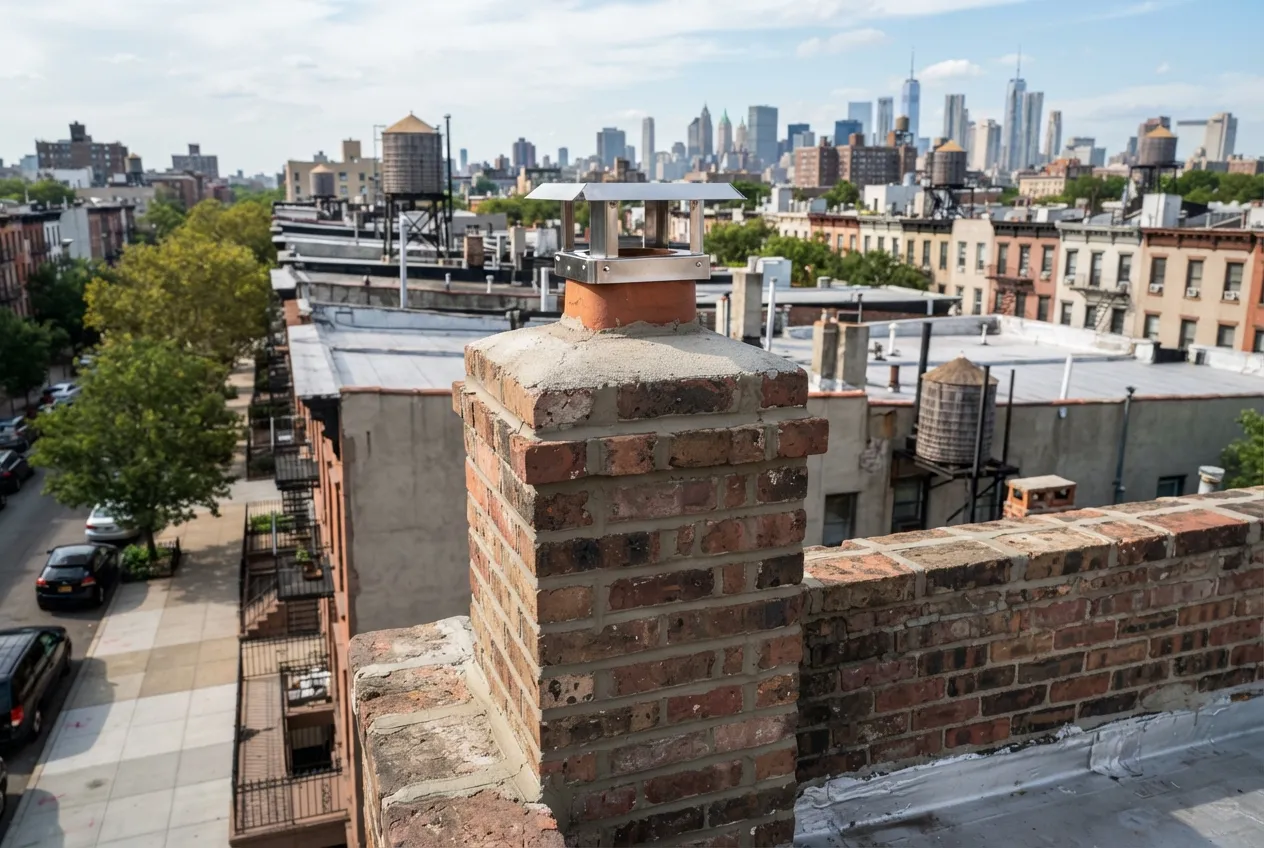
- Chimney crown, cap and exterior masonry, where they can be reached from the roof
- Signs of water entry, blockages from debris or nesting animals, and clearance to nearby woodwork
What You Get After the Visit
You get a written report with photos showing what we found, what needs attention soon and what can wait. If the chimney is in good shape, the report says so. If we find a problem, we explain the options so you can make an informed decision without pressure.
More services in Hudson Square
- Chimney Sweep in Hudson SquareLocal service & repairs
- Chimney Repair in Hudson SquareLocal service & repairs
- Air Duct Cleaning in Hudson SquareLocal service & repairs
- Chimney Liner Installation in Hudson SquareLocal service & repairs