The short answer
Greenwich Village chimneys most often need repairs to crowns, mortar joints, flashing and flue liners, usually because water or acidic exhaust has worn down the masonry. FirstChoice Chimney Services inspects the chimney first, explains what we find, and makes the repairs from our nearby office on W Houston St.
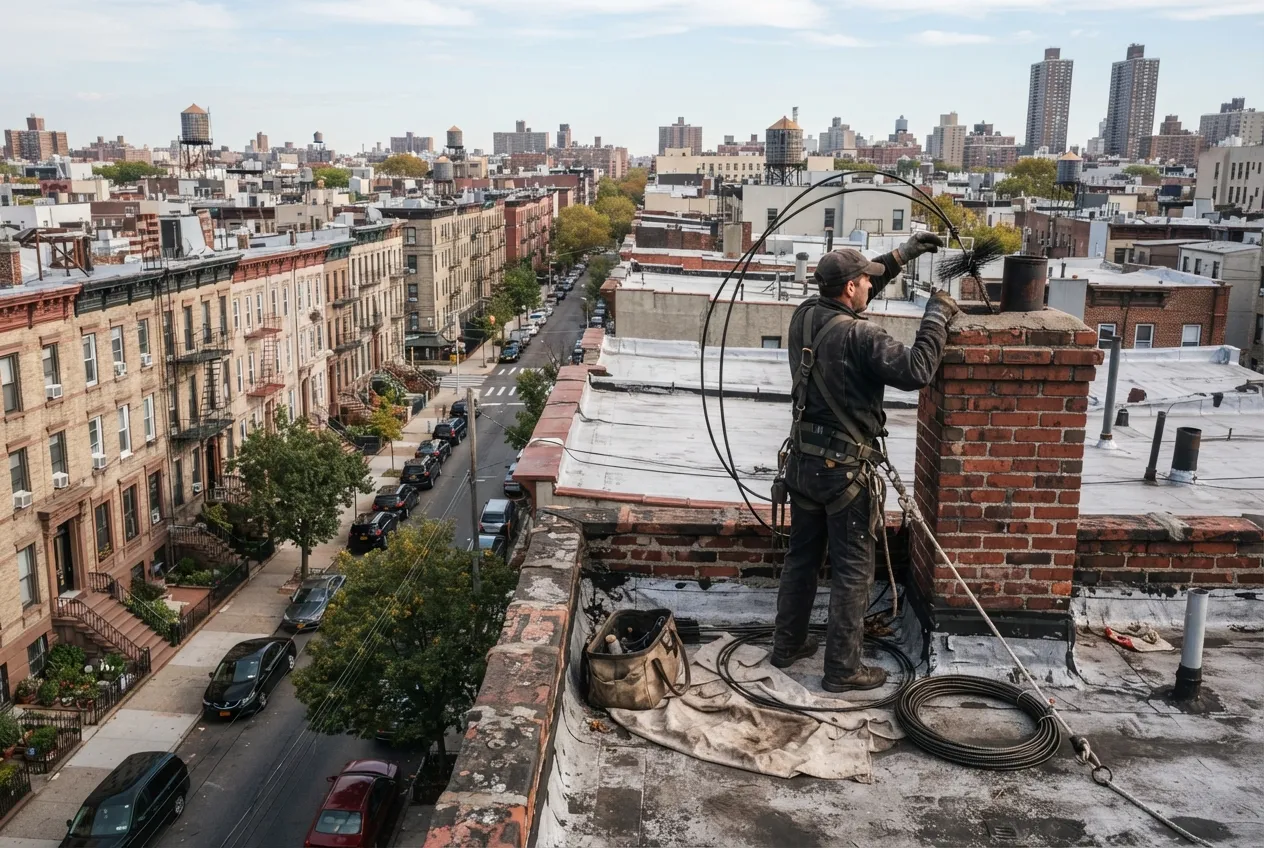
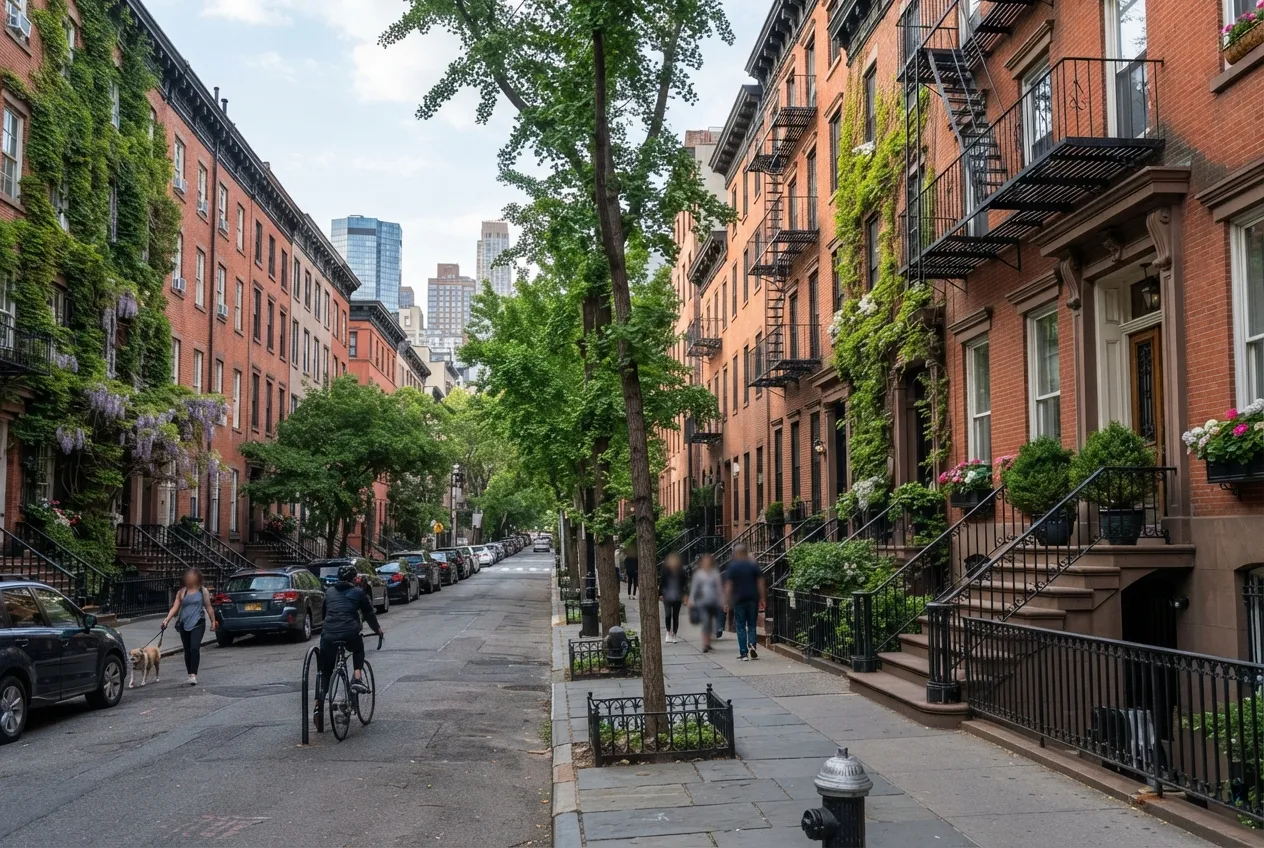
Chimneys in Greenwich Village work hard. Many serve brownstones and rowhouses built long before modern venting standards, and others run the full height of pre-war apartment buildings that heat with boilers. Brick, mortar and clay flue tiles wear down from freeze-thaw cycles, rain and years of combustion byproducts. FirstChoice Chimney Services repairs chimneys from our office at 90 W Houston St, so homes in the Village are close by. Our certified technicians find what is actually wrong, explain it in plain terms, and fix the problem before it turns into water damage or a safety hazard.
What Usually Needs Repair in Village Chimneys
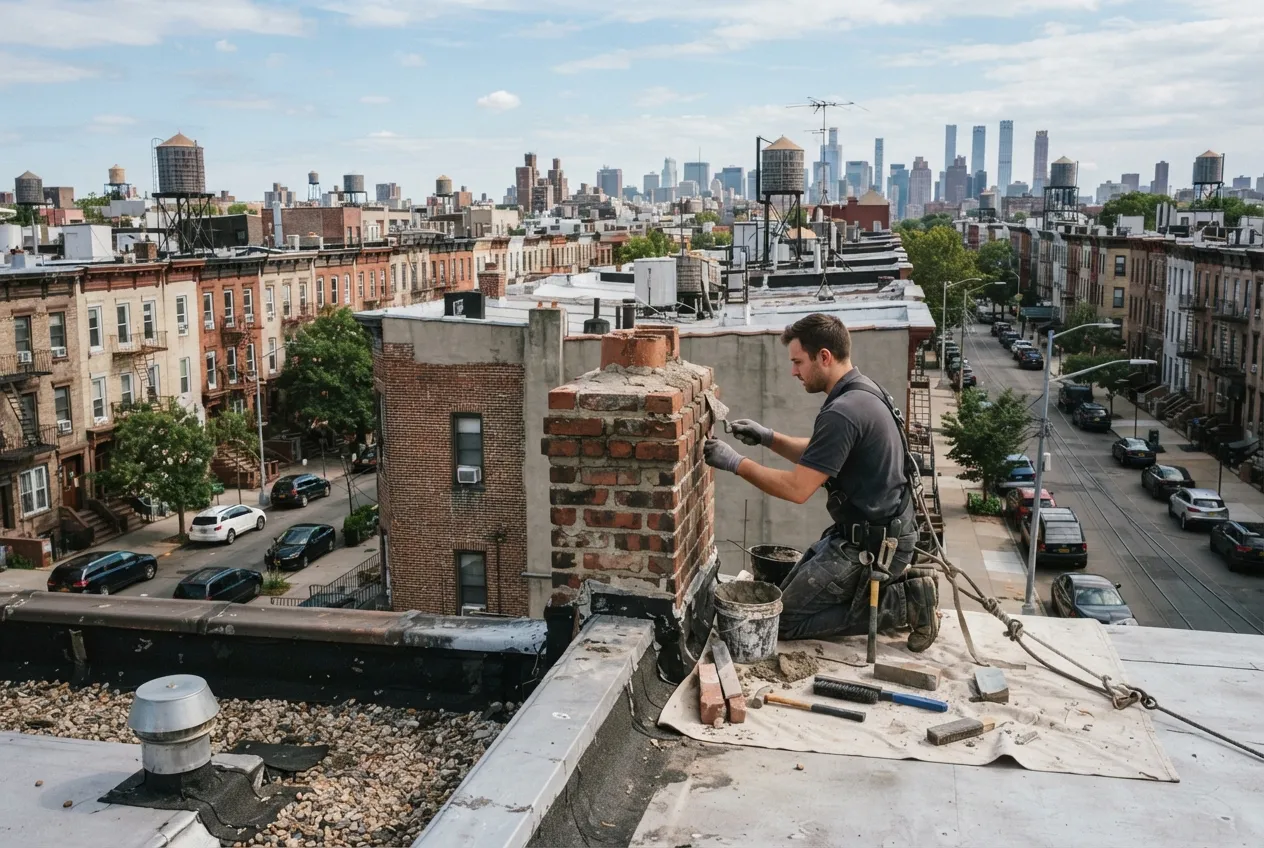
Most of the chimneys we see here are masonry, and masonry fails in predictable ways. Water is the main culprit. Once it gets past the crown or flashing, it soaks into brick and mortar, freezes in winter, and slowly pushes the joints apart. Inside the flue, heat and acidic exhaust can crack or erode clay tiles and old mortar.
Early signs often show up indoors. Look for water stains on a ceiling or wall near the chimney, a damp or musty smell from the fireplace, bits of tile or mortar in the firebox, or white staining on the outside brick. If you notice any of these, have the chimney checked before the next heavy rain or cold snap.
- Cracked or crumbling chimney crowns that let rain into the masonry
- Loose, missing or eroded mortar joints that need repointing
- Spalling brick, where the face of the brick flakes or pops off
- Failed flashing where the chimney meets the roof, causing top-floor leaks
- Cracked, gapped or deteriorated flue tiles and liners
- Missing or rusted chimney caps that let in water, debris and animals
- Dampers that stick, warp or no longer close
Liners and Oil-to-Gas Conversions
Many Manhattan buildings have switched their boilers from oil to gas, and that change affects the chimney. When a New York City building converts, the chimney has to be evaluated as part of the work. A new liner is often needed, because gas exhaust produces acidic condensate that can corrode a masonry flue over time.
We evaluate the existing flue, check its size and condition against the new appliance, and recommend a liner when the old one will not hold up. The same thinking applies to homeowners replacing a furnace, adding an insert to a fireplace, or reopening a fireplace that has sat unused for years.
How We Diagnose Before We Repair
We do not quote a repair from the sidewalk. The NFPA 211 standard calls for chimneys, fireplaces and vents to be inspected once a year, and chimney professionals use three inspection levels. A Level 1 inspection fits a system that has not changed. A Level 2 inspection is used when something does change, such as a new appliance or a switch of fuel, or when the home is sold. A Level 3 inspection is for hidden hazards that can only be reached by opening part of the chimney or building.
For most repairs, we inspect the accessible parts of the chimney, run a camera through the flue when needed, and show you photos of what we found. You get a clear explanation of what needs fixing now, what can wait, and what is fine as it is.
Time for your annual chimney check?
Planning Repairs Around the Heating Season
New York City's heat season runs from October 1 through May 31, when building owners must keep apartments heated to the city's minimum temperatures. If you own a building with tenants, a chimney problem that takes the boiler offline in January is a serious issue. Scheduling inspection and repairs in late spring or summer gives you time to fix the flue, liner or masonry before the heat has to stay on.
Exterior masonry work is also easier in mild, dry weather, because mortar and crown materials need the right conditions to cure. Leaks and safety hazards should not wait, though, and we handle urgent repairs as they come up.
Serving Greenwich Village and Nearby Neighborhoods
Our office is right here in Greenwich Village, and we work throughout Manhattan. We repair chimneys in SoHo, Little Italy, Hudson Square, the West Village and Gramercy, in everything from single-family brownstones to multi-unit pre-war buildings. If you are not sure whether your chimney needs a repair or just a cleaning, start with an inspection and we will tell you.
More services in Greenwich Village
- Chimney Sweep in Greenwich VillageLocal service & repairs
- Chimney Inspection in Greenwich VillageLocal service & repairs
- Air Duct Cleaning in Greenwich VillageLocal service & repairs
- Chimney Liner Installation in Greenwich VillageLocal service & repairs