The short answer
Greenwich Village homes should have their chimneys, fireplaces and vents inspected once a year, as the NFPA 211 standard calls for. Plan for a more detailed Level 2 inspection when you change appliances, switch fuels or sell the home. Our certified technicians work from our office on West Houston Street and serve the Village and nearby Manhattan neighborhoods.
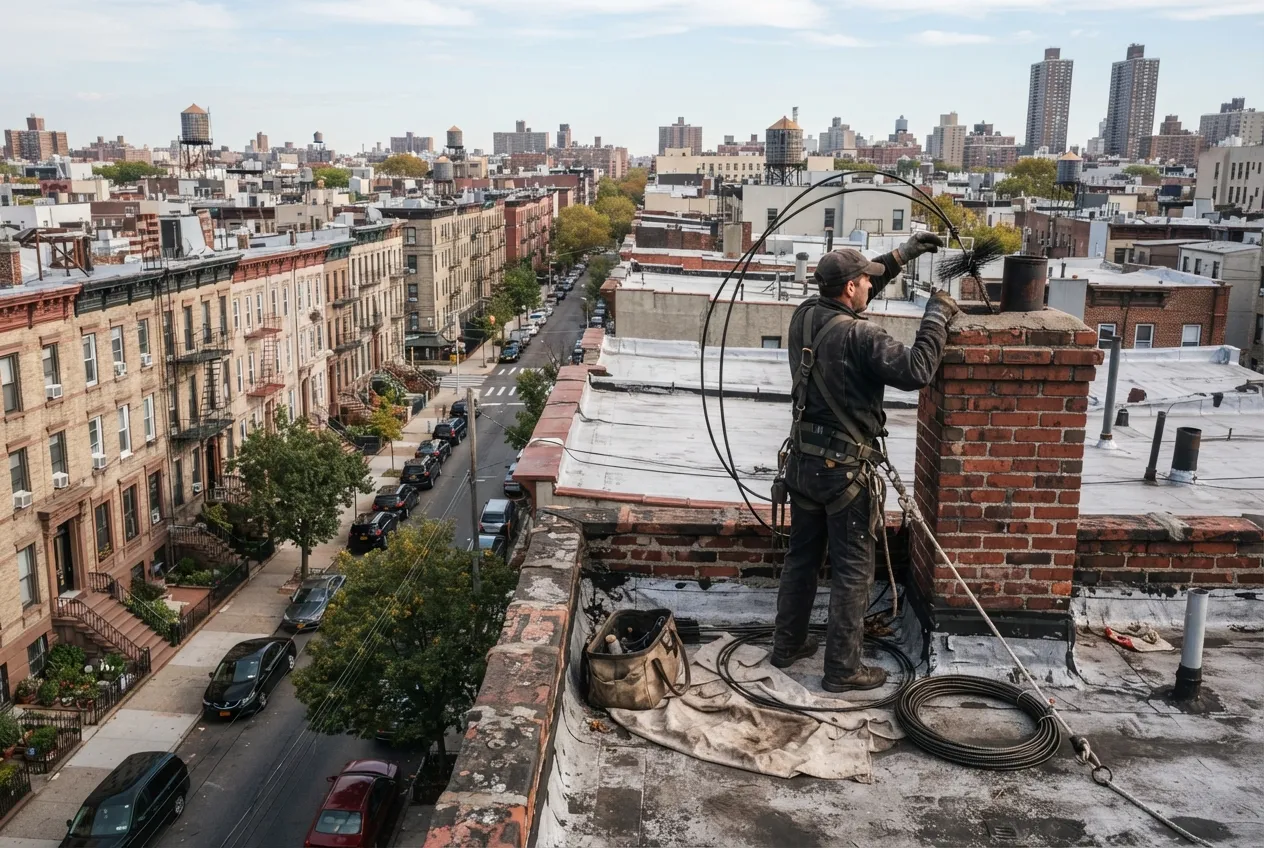
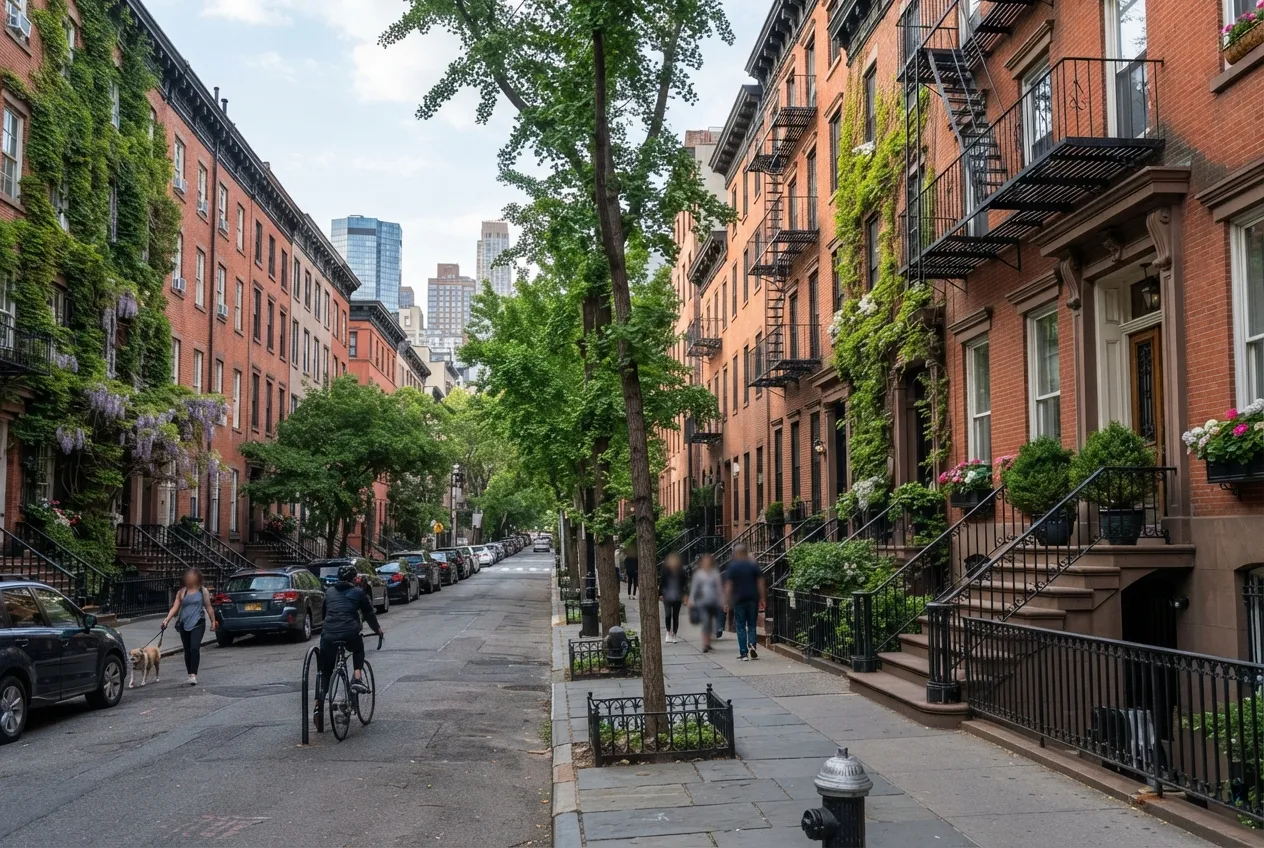
Many homes in Greenwich Village, from brownstones and rowhouses to pre-war apartment buildings, have chimneys that were built for one kind of fire and now vent something else entirely. A chimney inspection tells you whether that flue is still safe to use, what condition the masonry and liner are in, and whether anything needs attention before you light a fire or run the boiler. FirstChoice Chimney Services works out of our office at 90 W Houston St, so the Village is our home base. Our certified technicians inspect fireplaces, boiler and furnace flues, and vents throughout the neighborhood.
Why a Yearly Inspection Matters for Village Homes
The NFPA 211 standard calls for chimneys, fireplaces and vents to be inspected once a year. That applies whether you use a fireplace every winter weekend or only run a gas boiler through the flue. Most chimney problems can't be seen from the room below. Cracked flue tiles, loose mortar joints, animal nests, and soot or creosote buildup all sit out of sight.
In older masonry buildings, small issues tend to grow quietly. Freeze-and-thaw cycles push water into joints. A flue that was shared or altered during a past renovation may not match the appliance it serves today. A yearly inspection catches these changes while they are still small and easier to plan around.
Choosing the Right Inspection Level
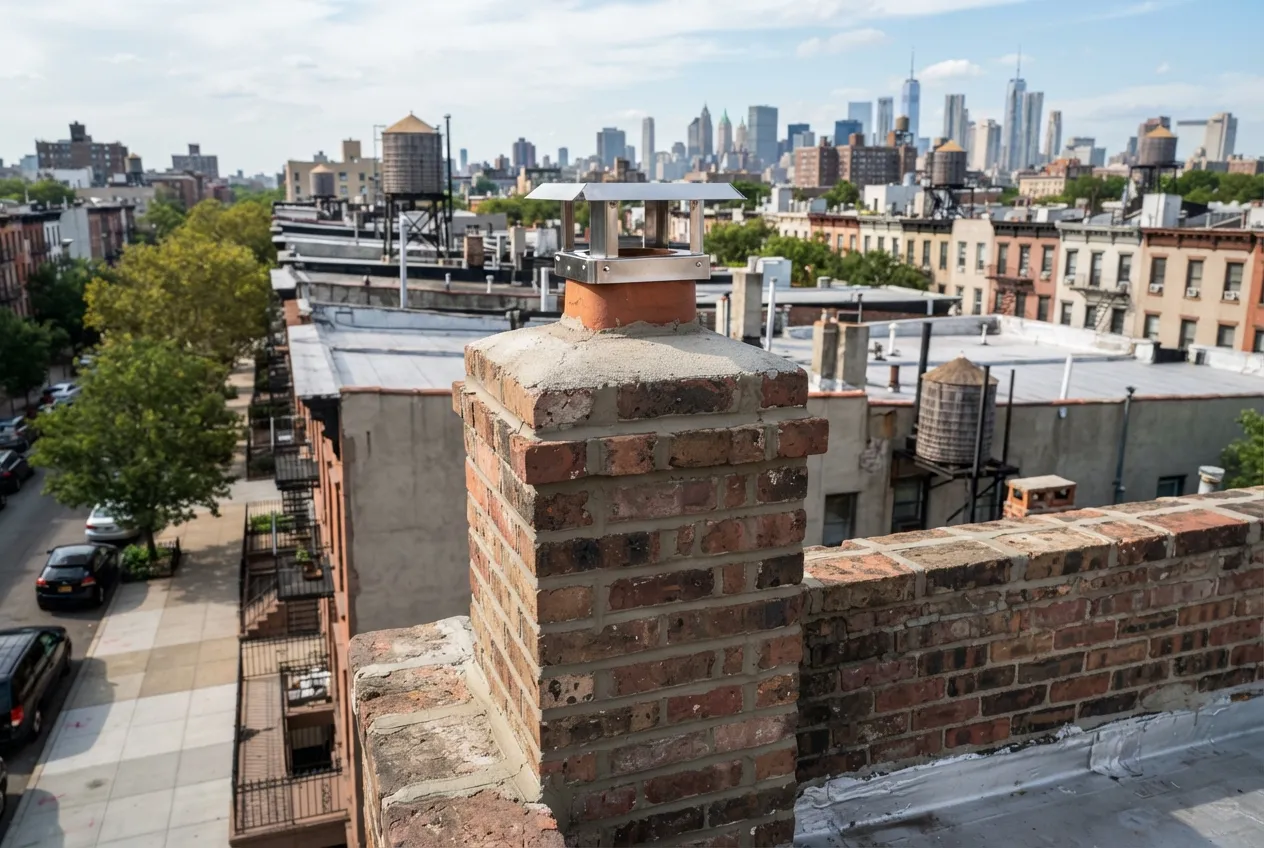
Chimney professionals use three inspection levels. We will help you work out which one your situation calls for:
If you are buying or selling a brownstone or rowhouse in the Village, a Level 2 inspection gives both sides a clear picture of the chimney's condition.
- Level 1: For a chimney you already use, with no changes to the system. We examine the readily accessible parts of the fireplace, flue and appliance connection.
- Level 2: For when something changes, such as a new appliance or a switch of fuel, or when the home is being sold. This adds a closer look at accessible areas such as attics, and typically a camera scan of the flue interior.
- Level 3: For when a hidden hazard is suspected and the only way to reach it is to open part of the chimney or building. This is reserved for concerns that a Level 1 or Level 2 inspection raises but can't confirm.
Oil-to-Gas Conversions and Flue Liners
Many Manhattan buildings have switched their boilers from oil to gas. When a New York City building makes that conversion, the chimney has to be evaluated as part of the work. Gas exhaust produces acidic condensate, and that moisture can corrode a masonry flue over time. For that reason, a new liner is often needed.
If your building has already converted or plans to, we inspect the flue to see whether the existing liner is suitable or damaged. We also check what size and type of liner would fit the new appliance. You get a plain explanation of what we found, so you or your building manager can plan the next step.
Time for your annual chimney check?
Timing Your Inspection Around Heat Season
New York City's heat season runs from October 1 through May 31. During that time, building owners must keep apartments heated to the city's minimum temperatures. If you are responsible for a boiler that serves tenants, a chimney problem found in January is much harder to handle than one found in August.
We suggest scheduling inspections in late spring or summer, after the heating system has done its work and before it has to start again. The same timing works well for wood-burning fireplaces. It leaves room to handle any cleaning or repairs before the first cold evening.
What Our Inspection Covers
Each inspection is matched to your system. A typical visit includes:
After the inspection, we walk you through what we saw and show you photos when we have them. We also explain which items are urgent and which can wait.
- The firebox, damper and smoke chamber of any fireplace
- Flue liner condition, including cracks, gaps and corrosion
- Creosote and soot buildup, and whether a cleaning is needed
- Connections between the boiler, furnace or water heater and the chimney
- The chimney crown, cap and exterior masonry where they can be safely reached
- Signs of water entry, animal nests or blockages
Serving Greenwich Village and Nearby Neighborhoods
Our office is on West Houston Street, close to homes across Greenwich Village and the surrounding parts of Manhattan. We also inspect chimneys in SoHo, Little Italy, Hudson Square, the West Village and Gramercy. We work on everything from single-family townhouses to larger pre-war apartment buildings with shared flues.
More services in Greenwich Village
- Chimney Sweep in Greenwich VillageLocal service & repairs
- Chimney Repair in Greenwich VillageLocal service & repairs
- Air Duct Cleaning in Greenwich VillageLocal service & repairs
- Chimney Liner Installation in Greenwich VillageLocal service & repairs