The short answer
East Village chimneys often have aging clay tile liners or none at all, and oil-to-gas boiler conversions frequently call for a new liner because gas exhaust can corrode masonry. FirstChoice Chimney Services inspects the flue, sizes a liner to your appliance or fireplace, and installs it with certified technicians.
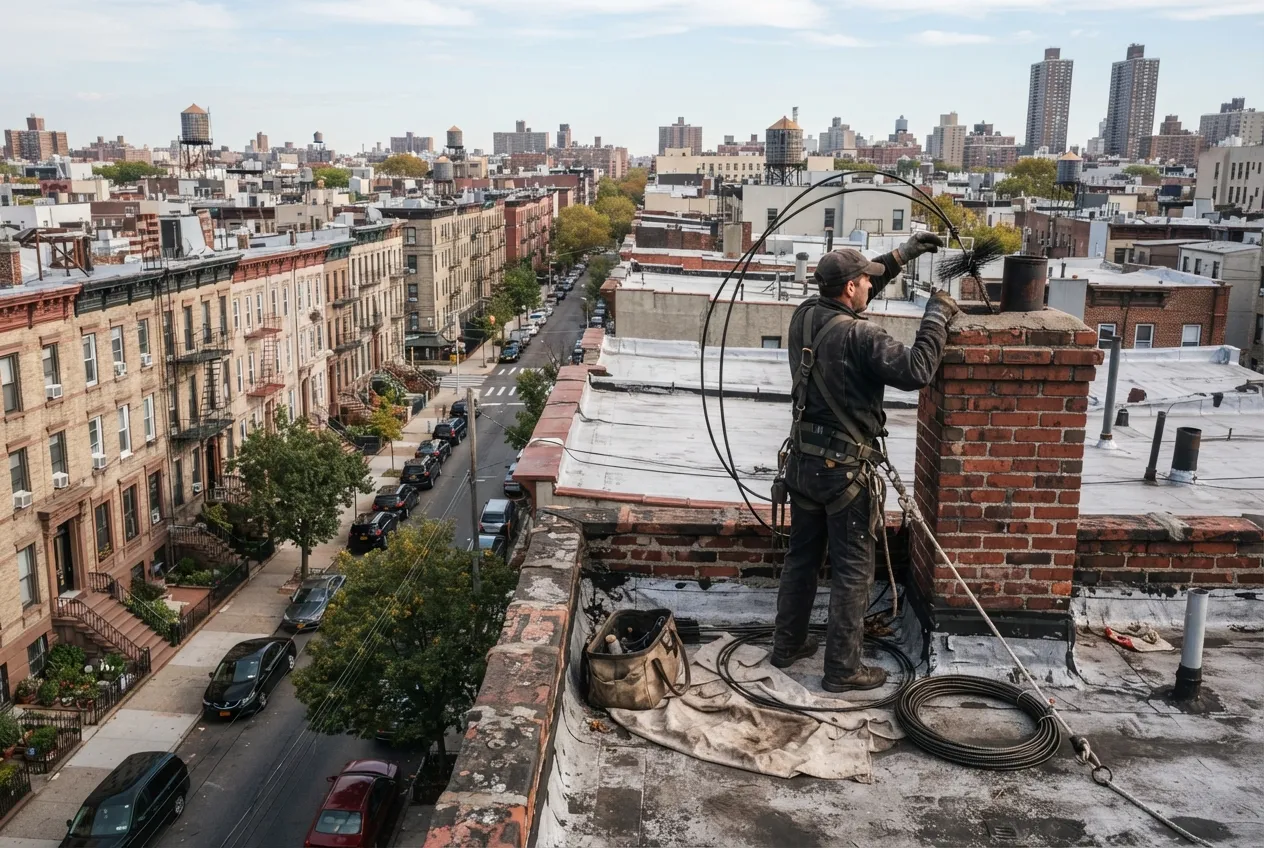
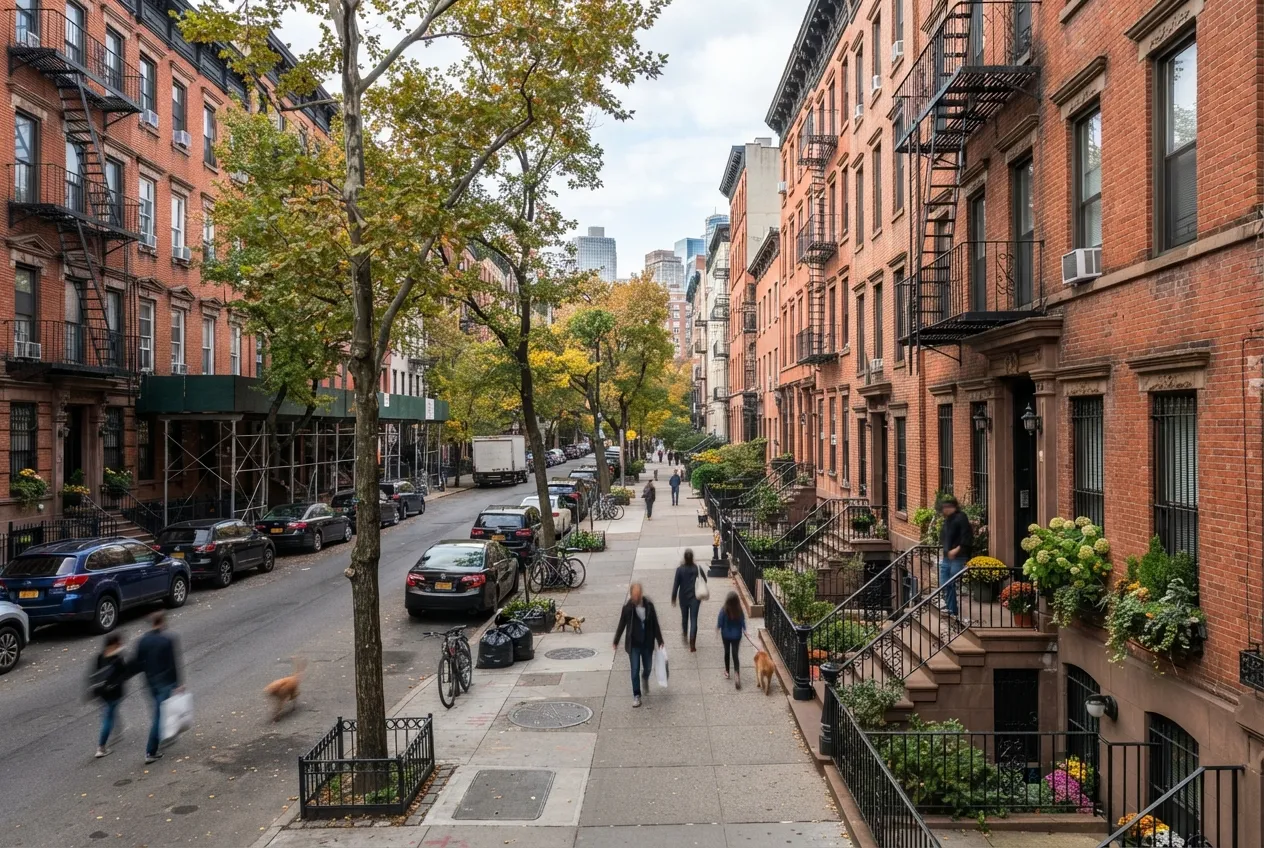
Many homes in the East Village were built long before modern venting standards. Rowhouses, walk-up apartment buildings and pre-war brick buildings often rely on masonry chimneys that serve a boiler, a water heater or a fireplace. A chimney liner is the channel inside that masonry that carries smoke and exhaust safely out of the building. When the liner is cracked, missing or the wrong size for the appliance, heat and gases can reach the brick and the living spaces around it. FirstChoice Chimney Services installs chimney liners throughout the East Village, about a mile east of our Manhattan office.
Why Liners Matter in East Village Buildings
Older chimneys in this neighborhood were commonly built with clay tile flue liners, and some have no liner at all. Clay tiles can crack from age, building settlement or a chimney fire, and the mortar joints between them wear out over time. Once that happens, exhaust can seep into the masonry and the flue may stop drawing properly.
Fuel changes make liner condition even more important. When a New York City building converts its boiler from oil to gas, the chimney has to be evaluated as part of the work. A new liner is often needed, because gas exhaust produces acidic condensate that can corrode a masonry flue that held up fine for decades of oil heat.
Signs Your Chimney May Need a New Liner
Some liner problems are visible from inside the home, while others only show up during an inspection. Have the chimney looked at if you notice any of the following:
- Pieces of clay tile or flaking masonry collecting at the base of the chimney or in the cleanout
- Water stains, peeling paint or white mineral deposits on walls near the chimney
- Smoke or exhaust odors that linger after a fireplace or appliance runs
- A boiler or water heater that was recently replaced, resized or converted from oil to gas
- Damage discovered after a chimney fire or a severe storm
- An inspection report noting cracks, gaps or missing sections in the flue
How We Install a Chimney Liner
Every job starts with an inspection. The NFPA 211 standard calls for chimneys, fireplaces and vents to be inspected once a year and describes three inspection levels. A Level 2 inspection applies when the system changes, such as a new appliance or a switch of fuel, or when the home is sold. A Level 3 inspection is used when a hidden hazard can only be reached by opening part of the chimney or building.
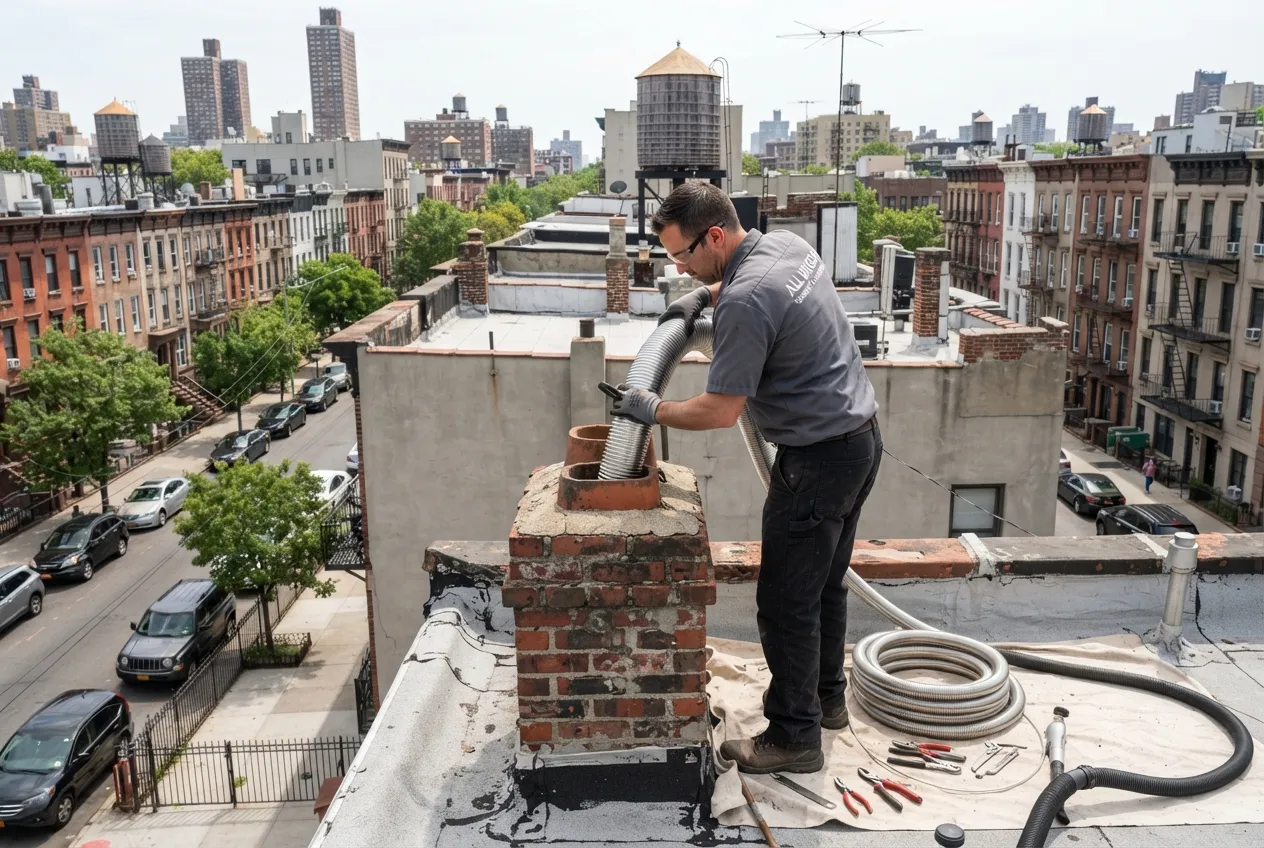
From there, our certified technicians size the liner to the appliance or fireplace it will serve. A liner that is too large can let exhaust cool and condense, while one that is too small can restrict draft. We choose a liner material suited to the fuel, install it from the top of the chimney down, connect it to the appliance and seal the top. Where the chimney calls for it, we add insulation around the liner. We finish by checking the draft and walking you through the completed work.
In multi-story buildings, roof access and the length of the flue affect planning, so we go over those details with owners or building managers before work begins.
Time for your annual chimney check?
Planning Around Heat Season
New York City's heat season runs from October 1 through May 31. During those months, building owners must keep apartments heated to the city's minimum temperatures, so a boiler that can't run because of a failed or missing liner is a serious problem. If you are planning a boiler replacement or an oil-to-gas conversion, scheduling the chimney evaluation and liner work before October leaves the most room to finish without interrupting heat.
If a liner problem turns up in the middle of winter, we work with you to keep the disruption as short as possible and explain your options clearly.
Serving the East Village and Nearby Neighborhoods
We install chimney liners for homes and buildings across the East Village, including ZIP codes 10003 and 10009. Our crews also work in the Lower East Side, Gramercy, Greenwich Village, SoHo and Little Italy, so homeowners and building managers throughout this part of Manhattan can reach us for the same service.
More services in East Village
- Chimney Sweep in East VillageLocal service & repairs
- Chimney Inspection in East VillageLocal service & repairs
- Chimney Repair in East VillageLocal service & repairs
- Air Duct Cleaning in East VillageLocal service & repairs