The short answer
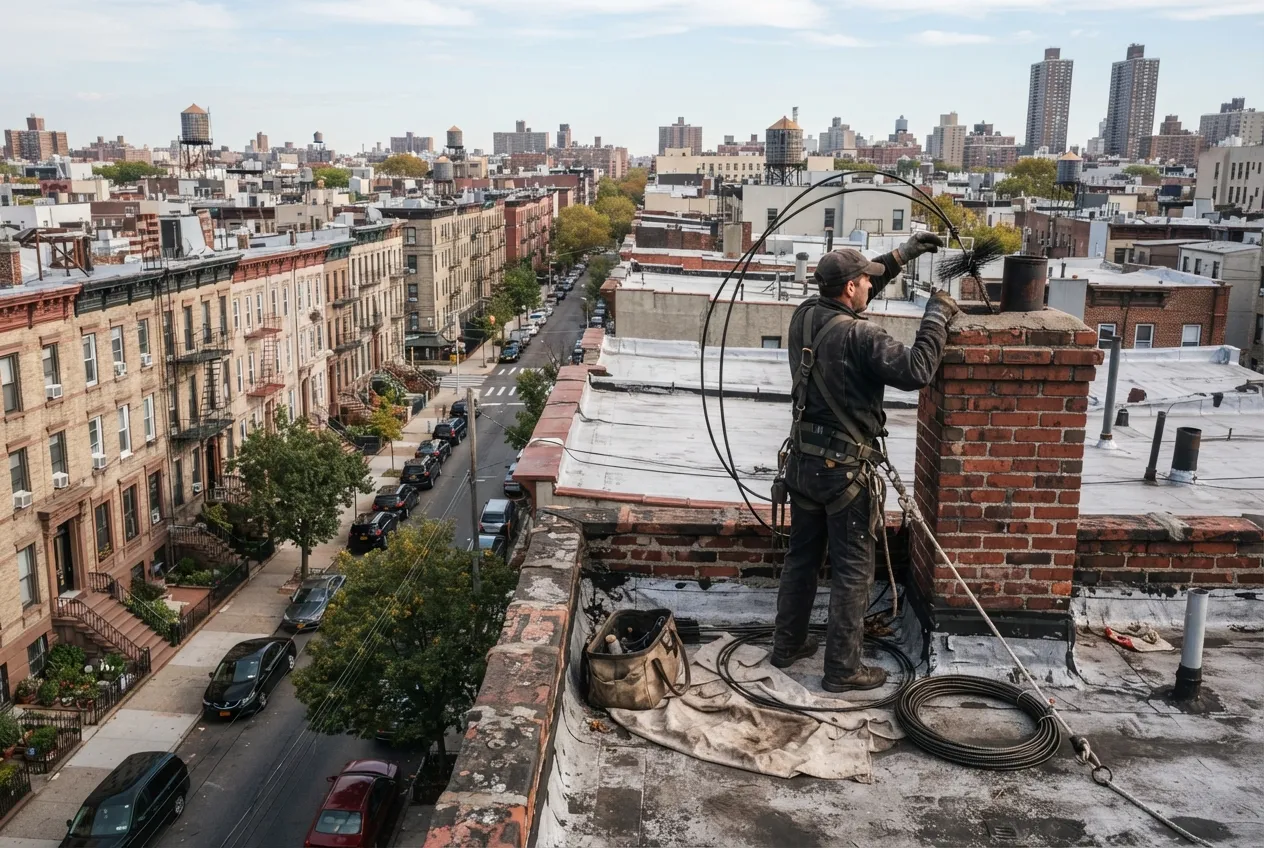
Civic Center homes with wood-burning fireplaces or boiler flues should have the chimney inspected once a year, as the NFPA 211 standard recommends, and swept when soot or creosote has built up. Late summer or early fall is the best time to book, before New York City's heat season begins on October 1.
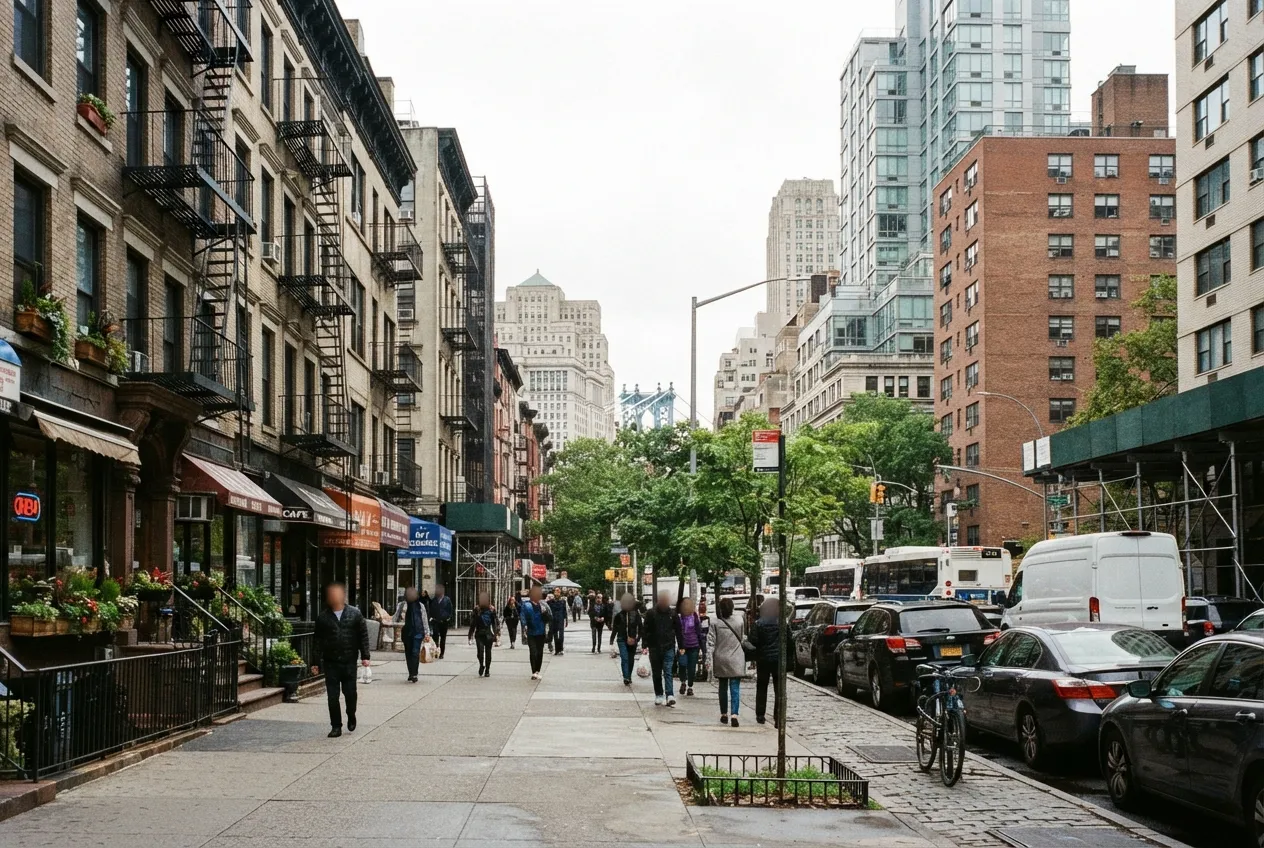
Civic Center is better known for offices than for fireplaces, but people do live here, mostly in converted loft buildings, pre-war apartment buildings, and a smaller number of older walk-ups. Many of those homes still have working fireplaces, and nearly all of the buildings rely on a chimney or flue to vent a boiler. FirstChoice Chimney Services sends certified technicians to Civic Center from our Manhattan office, about a mile northeast, to sweep and inspect residential chimneys in ZIP codes 10007, 10013, 10278 and 10279. This page explains what a sweep involves here and when to schedule one.
What Chimneys Look Like in Civic Center Homes
Most homes in Civic Center are apartments inside larger masonry buildings rather than standalone houses. Loft conversions often kept original fireplaces, some of which were reworked or fitted with inserts during renovation. Pre-war apartment buildings may have fireplaces in individual units that share a chimney stack with neighbors, plus a separate flue serving the building's boiler.
That arrangement affects the work. A sweep in a shared stack has to account for every flue in it, not just the one in your living room, and access to the roof usually has to be arranged with building management. We coordinate those details before the visit so the job doesn't stall on the day.
What Happens During a Chimney Sweep
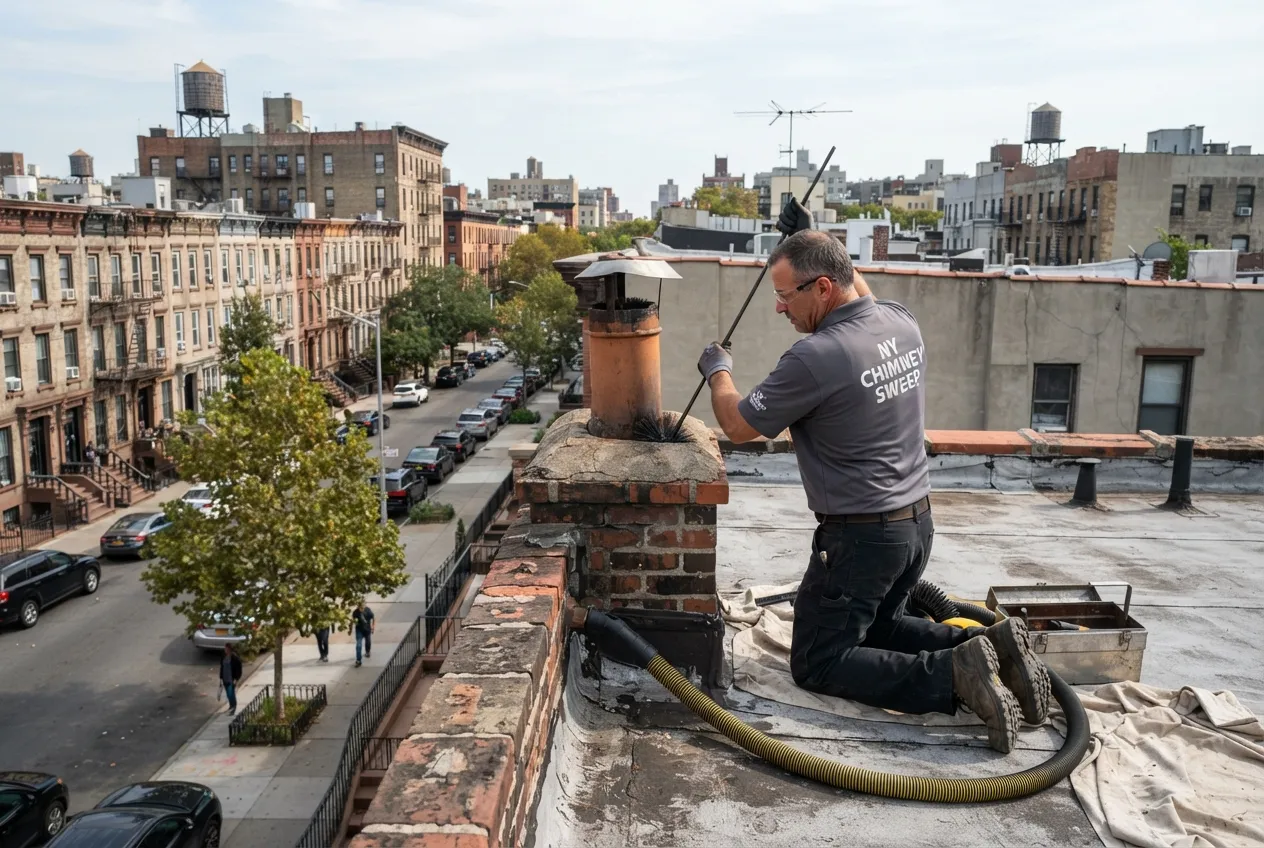
A sweep removes soot, creosote and debris from the firebox, smoke chamber and flue. Creosote is the tar-like residue left behind when wood smoke cools inside the chimney, and it is flammable. Left in place, it can feed a chimney fire.
A typical visit in a Civic Center apartment goes like this:
- We protect the floor and furniture near the fireplace and seal the opening to keep dust out of the room.
- We check the damper, firebox and smoke chamber before cleaning.
- We brush the flue from below, above, or both, depending on roof access and how the flue is built.
- We collect the debris and vacuum with equipment designed to capture fine soot.
- We do a visual inspection afterward and explain what we found, including any cracks, gaps or missing parts.
Inspections and the NFPA 211 Standard
The NFPA 211 standard calls for chimneys, fireplaces and vents to be inspected once a year, whether or not they get heavy use. A sweep and an inspection are related but not the same: the inspection tells you the condition of the system, and the sweep cleans it.
Chimney professionals use three inspection levels. A Level 1 inspection fits when nothing about the system has changed. A Level 2 inspection is called for when something has changed, such as a new appliance or a switch of fuel, or when the home is being sold. A Level 3 inspection is used when a hidden hazard has to be reached by opening part of the chimney or the building. Buyers and sellers in Civic Center's co-op and condo market should plan for a Level 2 inspection as part of the transaction.
Time for your annual chimney check?
Boiler Flues and Oil-to-Gas Conversions
Many older Manhattan buildings have moved their boilers from oil to gas. When a New York City building makes that conversion, the chimney has to be evaluated as part of the work. A new liner is often needed, because gas exhaust produces acidic condensate that can corrode a masonry flue that was built for oil.
If your building converted in the past and the flue was never relined, or if you're unsure what was done, an inspection can show whether the masonry is deteriorating. Signs worth reporting include crumbling mortar, flaking tile, water stains near the chimney, or debris collecting at the base of the flue.
When to Schedule in Civic Center
New York City's heat season runs from October 1 through May 31, and building owners must keep apartments heated to the city's minimum temperatures during that time. A boiler flue problem found in January is harder to deal with than one found in August, so late summer and early fall are the best times to book.
For fireplaces, schedule a sweep before your first fire of the season. If you burn wood often, smell smoke in the apartment when the fireplace is cold, or see black flakes in the firebox, call sooner. We also serve nearby Tribeca, SoHo, Little Italy, Hudson Square and Chinatown, so neighbors in shared buildings can often be scheduled together.
More services in Civic Center
- Chimney Inspection in Civic CenterLocal service & repairs
- Chimney Repair in Civic CenterLocal service & repairs
- Air Duct Cleaning in Civic CenterLocal service & repairs
- Chimney Liner Installation in Civic CenterLocal service & repairs