The short answer
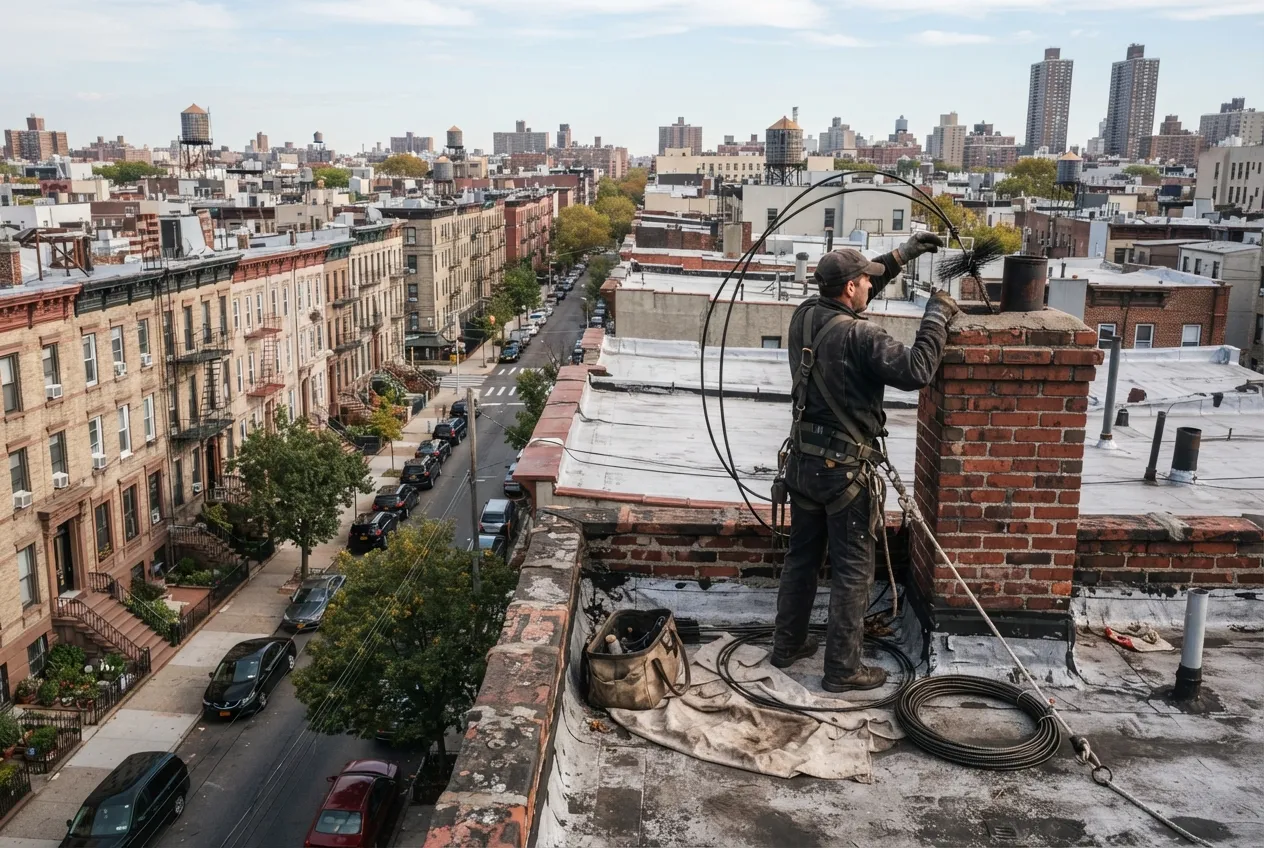
A chimney inspection checks whether your fireplace, flue or appliance vent can carry smoke and exhaust safely out of the building. The NFPA 211 standard calls for an inspection once a year, and a more detailed one when you change appliances or fuel or when the home is sold. We inspect chimneys throughout Civic Center and the nearby Lower Manhattan neighborhoods.
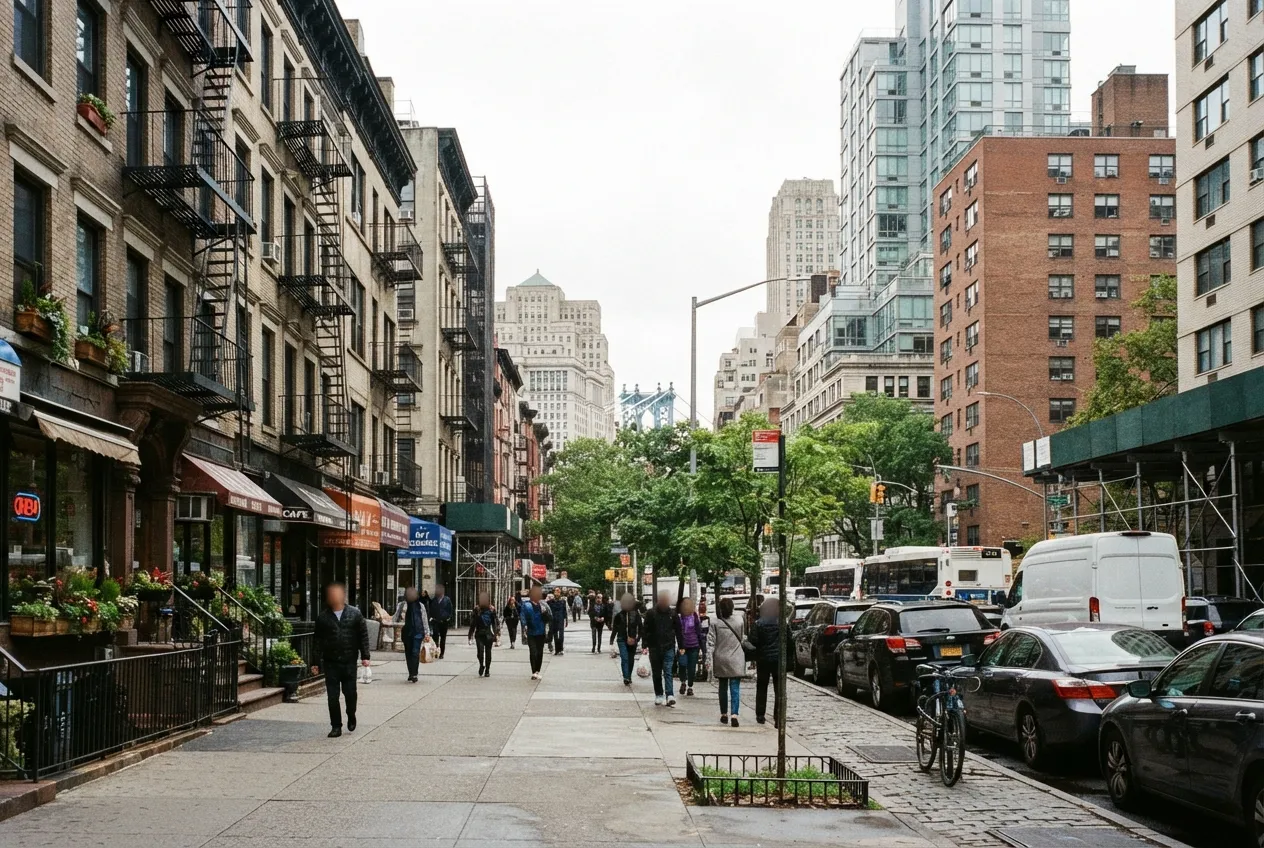
Civic Center sits at the south end of our Manhattan service area, about a mile southwest of our office. The housing here is mostly pre-war apartment buildings, converted loft and mixed-use buildings, and newer condos and co-ops. Many have a working fireplace, a shared boiler flue, or an old chimney that hasn't been looked at in years. FirstChoice Chimney Services inspects chimneys and flues in ZIP codes 10007, 10013, 10278 and 10279. Our certified technicians tell you what condition the system is in, what needs attention now, and what can wait.
Why Civic Center Chimneys Need Regular Inspection
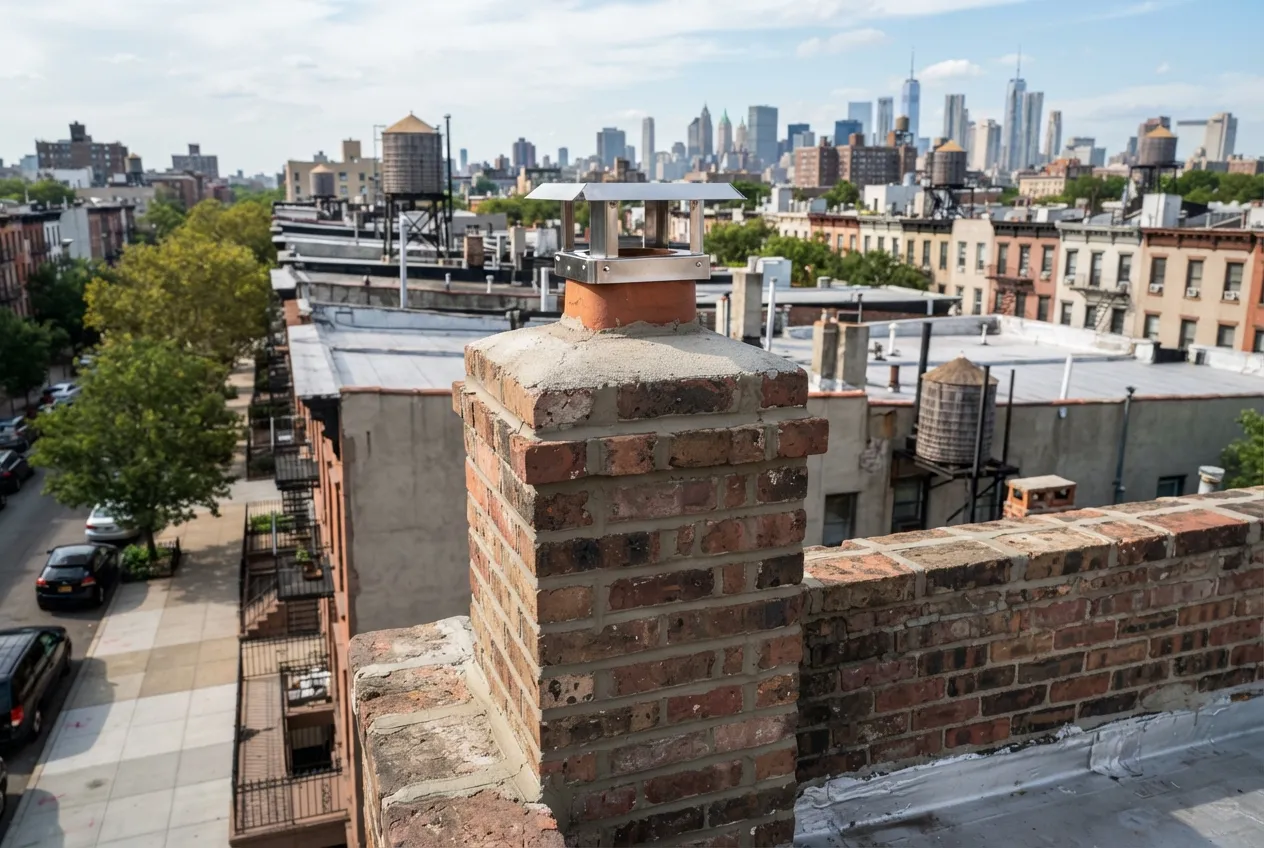
Many residential buildings in Civic Center are decades old. Their masonry chimneys were built long before today's boilers, water heaters and gas fireplace inserts. Over time, mortar joints wear down, clay flue tiles crack, and crowns and caps take a beating from New York winters. Loft conversions and renovations can add problems of their own. A wall gets moved or a new appliance gets tied into an old flue, and nobody checks whether the flue still fits the job.
In apartment and mixed-use buildings, one chimney may serve more than one unit or appliance. A blockage or crack in a shared flue affects more than one household. That's why a yearly check is worth the time even if you rarely light a fire.
Which Inspection Level You Need
The NFPA 211 standard calls for chimneys, fireplaces and vents to be inspected once a year. Chimney professionals use three levels of inspection, and the right one depends on what has happened since the last one.
- Level 1: For a system that hasn't changed and is used the same way as before. We check the readily accessible parts of the chimney, the fireplace or appliance connection, and look for blockages and combustible deposits.
- Level 2: Needed when the system changes, such as a new appliance or a switch from one fuel to another, and when the home is sold. This adds a closer look, including a camera inspection inside the flue.
- Level 3: Used only when a hidden hazard is suspected and can't be reached without opening part of the chimney or the building. We recommend it only when a Level 2 inspection points to a problem behind a wall or inside the structure.
Oil-to-Gas Conversions and Boiler Flues
A number of older Manhattan buildings have moved, or are planning to move, from heating oil to gas. When a New York City building converts its boiler from oil to gas, the chimney has to be evaluated as part of the work. A new liner is often needed. Gas exhaust produces acidic condensate, and that condensate can corrode an unlined or poorly lined masonry flue from the inside.
If your building is going through a conversion, or recently finished one, a Level 2 inspection shows whether the existing flue can handle the new appliance. It also shows whether a liner is in place and sized correctly. We explain what we find in plain terms so owners, boards and managing agents can plan the next step.
Time for your annual chimney check?
Timing Around Heat Season
New York City's heat season runs from October 1 through May 31. During those months, building owners must keep apartments heated to the city's minimum temperatures. A boiler flue problem found in January is harder to deal with than one found in August. For that reason, late spring and summer are good times to book an inspection for buildings with central heat.
For a wood-burning fireplace in a single apartment or townhouse-style unit, try to schedule before your first fire of the fall. If you already use the fireplace and notice smoke coming back into the room, a strong odor, or debris falling into the firebox, call for an inspection before you light it again.
What You Get After the Inspection
After the inspection, our technician walks you through what was checked and what was found. Where it applies, you'll see photos or camera footage from inside the flue. If repairs, cleaning or a liner are needed, we tell you why and which items affect safety right away. If everything is in good shape, we tell you that too.
We also serve Tribeca, SoHo, Little Italy, Hudson Square and Chinatown. That makes it easy to coordinate if you manage more than one property in Lower Manhattan.
More services in Civic Center
- Chimney Sweep in Civic CenterLocal service & repairs
- Chimney Repair in Civic CenterLocal service & repairs
- Air Duct Cleaning in Civic CenterLocal service & repairs
- Chimney Liner Installation in Civic CenterLocal service & repairs