The short answer
Civic Center chimneys often need a new liner when old clay tiles crack, a boiler converts from oil to gas, or a new appliance is installed. FirstChoice Chimney Services inspects the flue, recommends a liner matched to the appliance, and installs it from the roof down.
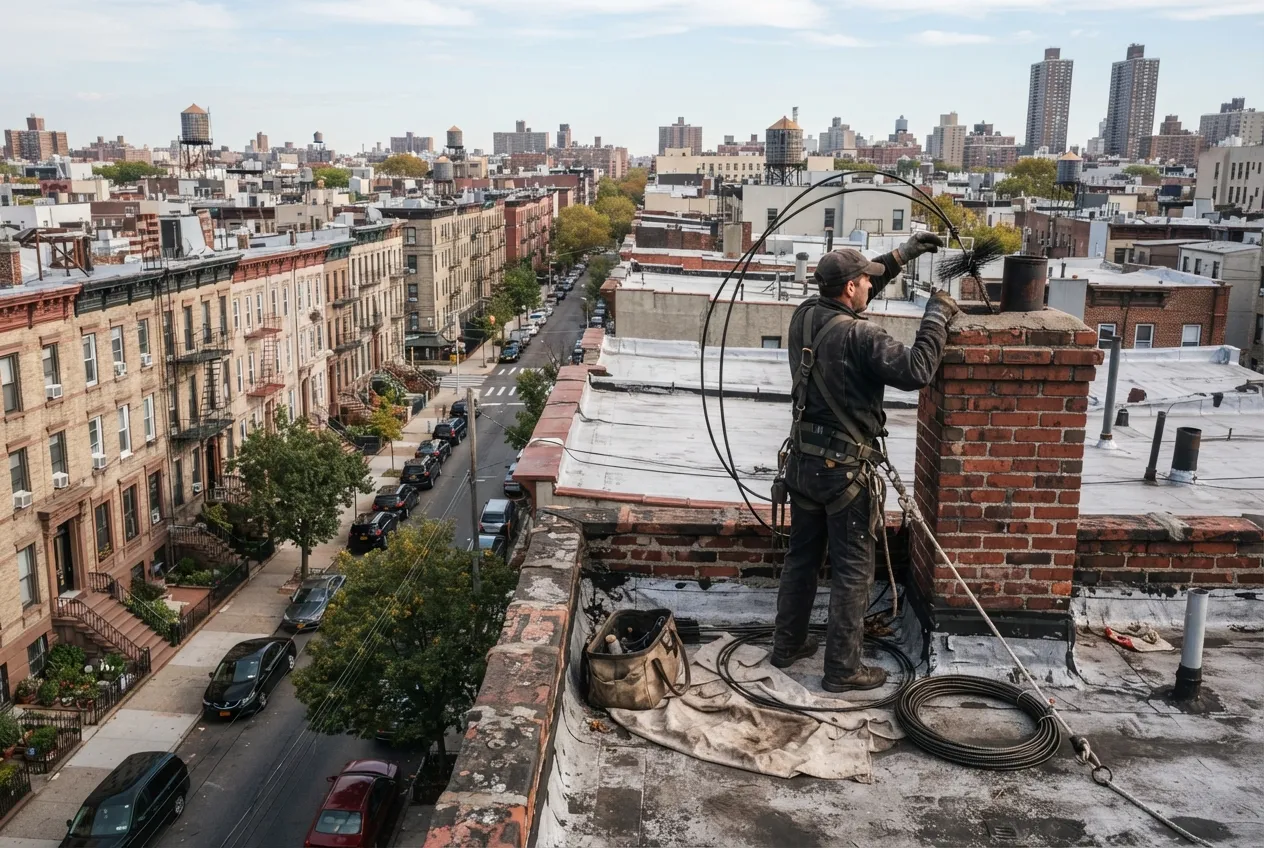
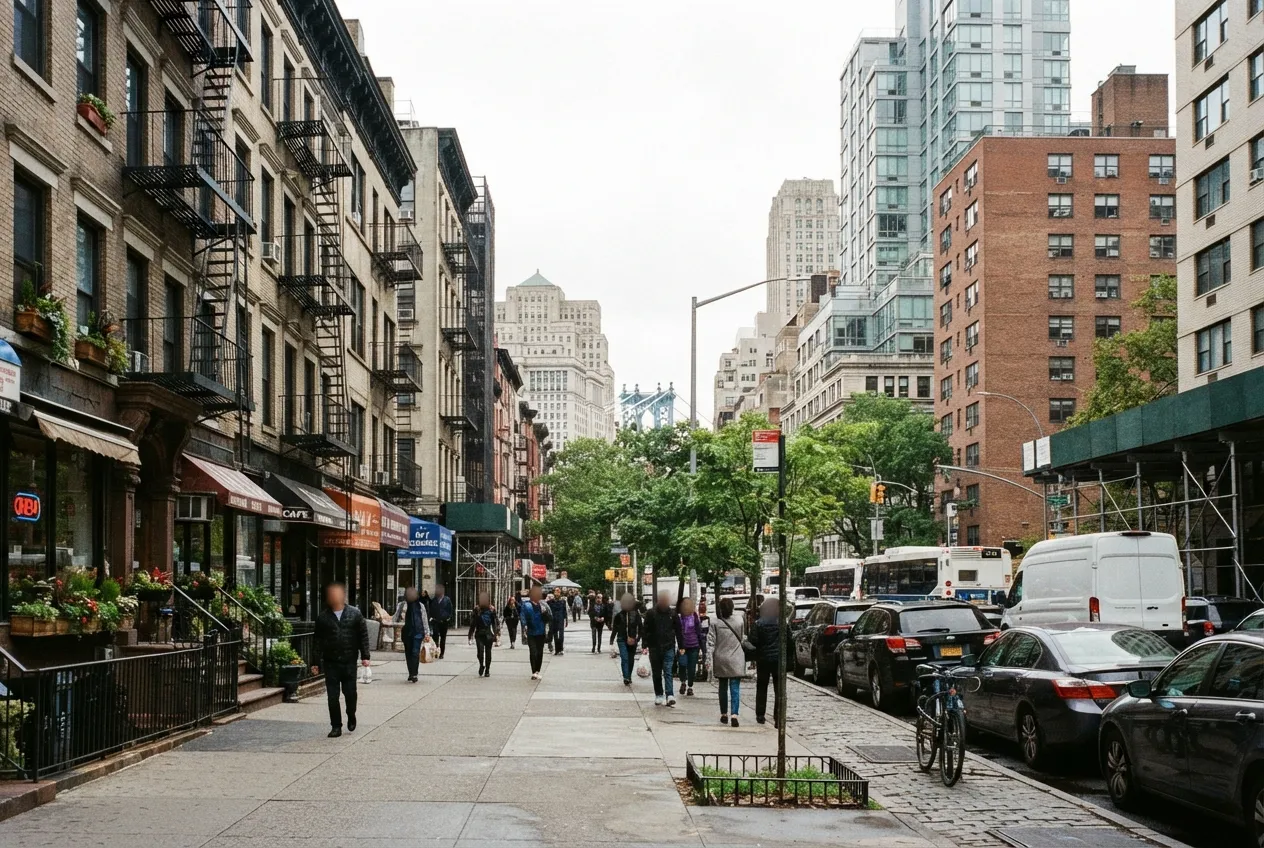
Civic Center sits at the lower end of Manhattan, where pre-war apartment buildings, converted loft buildings and a few older rowhouses share the streets with government offices. Many of these buildings still vent boilers, water heaters or fireplaces through masonry chimneys built long before today's appliances. When the lining inside one of those chimneys cracks or crumbles, or no longer suits the appliance connected to it, a new liner is usually the fix. FirstChoice Chimney Services installs chimney liners throughout Civic Center, including ZIP codes 10007, 10013, 10278 and 10279, about a mile southwest of our Manhattan office.
What a Liner Does and Why Older Flues Fail
A chimney liner is the channel inside the masonry that carries smoke and exhaust gases up and out of the building. It keeps heat away from the surrounding brick and wood framing and keeps corrosive byproducts off the mortar. It also gives the appliance a flue of the right size to draft properly.
In older Manhattan buildings, the original lining is often clay tile, and sometimes there is no lining at all. Decades of freeze-thaw cycles, settling and acidic exhaust can crack the tiles, open the joints and wash out the mortar. Gaps like these can let carbon monoxide seep into living space. They can also let heat reach materials that were never meant to get hot.
- Pieces of tile or flaking masonry collecting at the bottom of the flue
- Water stains, white mineral deposits or damp spots on walls next to the chimney
- Poor draft, smoke spilling into the room, or exhaust odors near the appliance
- A new appliance or fuel type that doesn't match the existing flue size
- Inspection findings of cracked, shifted or missing liner sections
Oil-to-Gas Conversions in Civic Center Buildings
Many apartment and mixed-use buildings in this part of Manhattan have moved, or plan to move, from heating oil to natural gas. When a New York City building converts its boiler from oil to gas, the chimney has to be evaluated as part of the work. A new liner is often needed because gas exhaust produces acidic condensate that can corrode a masonry flue from the inside.
We check the existing flue's size, condition and route, then recommend a liner that matches the new boiler's venting requirements. Coordinating the liner with the boiler contractor's schedule keeps the conversion on track. It also avoids reopening walls or arranging roof access a second time.
How a Liner Installation Works
Every chimney is different, but most installations follow the same basic sequence.
In multi-story buildings, the planning also covers roof access, notice to tenants and work in shared mechanical spaces. We go over these details with owners, supers and boards before scheduling.
- Inspecting the flue, often with a camera, to measure it and document any damage
- Cleaning out soot, creosote or debris before work begins
- Choosing a liner type and diameter based on the appliance and the flue's dimensions
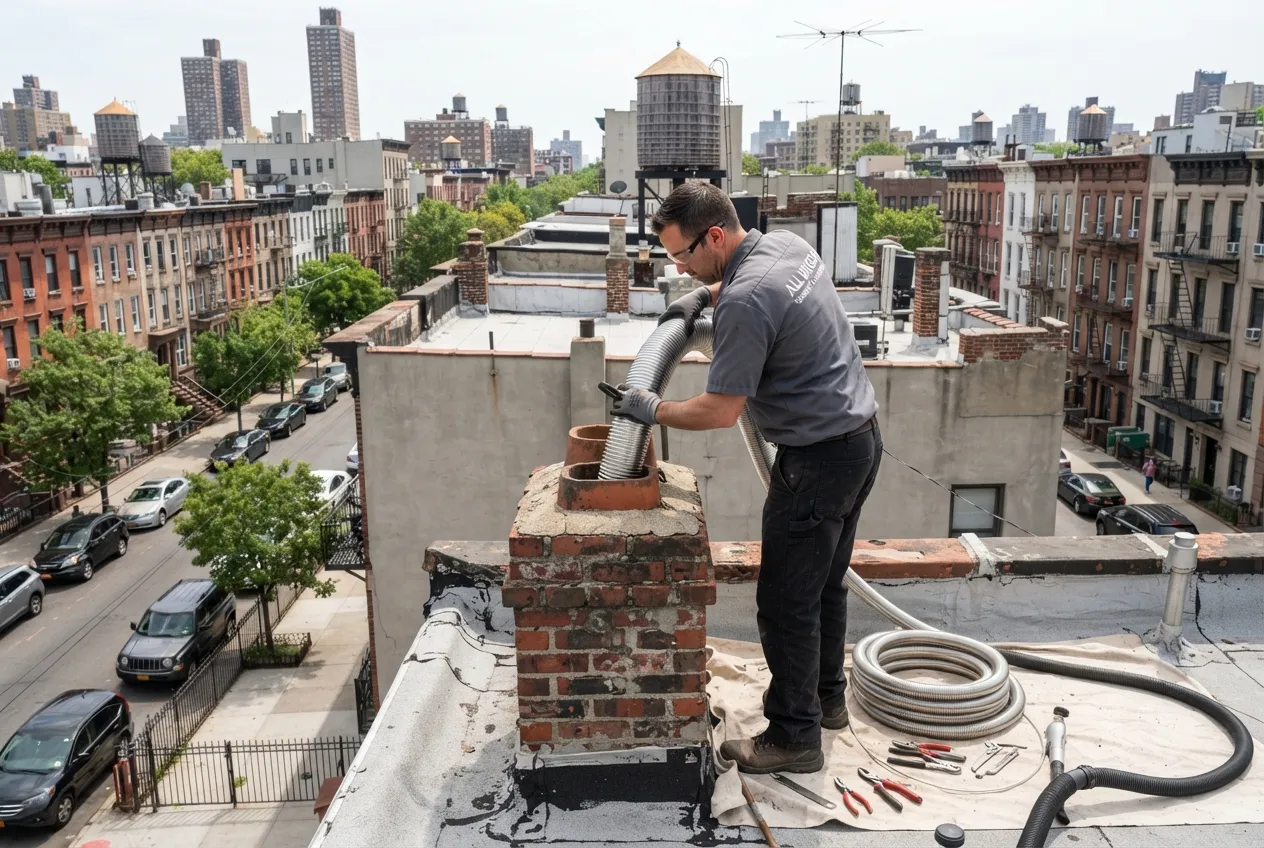
- Installing the liner from the roof down and making the correct connections at the base
- Adding insulation where needed, plus a top plate and cap to keep out rain and animals
- Checking the draft and walking you through what was done
Time for your annual chimney check?
Choosing the Right Liner
The right liner depends on the fuel, the appliance and the shape of the existing chimney. We explain the trade-offs for your specific chimney instead of defaulting to one product.
- Stainless steel liners: the most common choice for gas, oil and wood-burning appliances, available in rigid and flexible forms for straight or offset flues
- Cast-in-place liners: a mortar-like material poured around a form to line and reinforce a deteriorated masonry flue
- Clay tile relining: possible in some chimneys, though it usually requires more extensive masonry work
Timing Around Inspections and Heat Season
The NFPA 211 standard calls for chimneys, fireplaces and vents to be inspected once a year. A Level 2 inspection is used when the system changes, such as a new appliance or a switch of fuel, or when a home is sold. That makes it the usual starting point for a liner project. If a hidden problem can only be reached by opening part of the chimney or building, a Level 3 inspection may be needed.
New York City's heat season runs from October 1 through May 31. During that time, building owners must keep apartments heated to the city's minimum temperatures. For boiler flues, scheduling liner work in late spring or summer leaves the most room to finish before heat is required. If a problem turns up mid-season, we work with owners to plan around heating needs. We also serve nearby Tribeca, SoHo, Little Italy, Hudson Square and Chinatown.
More services in Civic Center
- Chimney Sweep in Civic CenterLocal service & repairs
- Chimney Inspection in Civic CenterLocal service & repairs
- Chimney Repair in Civic CenterLocal service & repairs
- Air Duct Cleaning in Civic CenterLocal service & repairs