The short answer
SoHo chimneys often need a new liner when the old clay tile is damaged, when a boiler converts from oil to gas, or when new equipment doesn't match the existing flue size. FirstChoice Chimney Services inspects the chimney first, then installs a liner sized and rated for the appliance it serves.
Many chimneys in SoHo were built long before today's boilers, water heaters and gas fireplaces existed. A chimney liner is the protective channel inside the flue that carries exhaust safely up and out of the building. When the original clay tile is cracked, missing, or the wrong size for the equipment now connected to it, a new liner is often the fix. FirstChoice Chimney Services installs chimney liners for rowhouses, pre-war apartment buildings, converted loft buildings and other homes in SoHo (ZIP 10012), working from our office at 90 W Houston St. Our certified technicians start with an inspection, explain what they find, and recommend a liner only when the chimney actually needs one.
Why Chimneys in SoHo Need Relining
Older masonry chimneys in this part of Manhattan have usually served several generations of heating equipment. Coal, then oil, then gas can each wear on a flue differently, and decades of freeze-and-thaw cycles, settling and moisture can crack or loosen the original clay tiles. Some flues were never lined at all.
A damaged or missing liner lets heat, soot and exhaust gases reach the brick and mortar, and in some cases nearby framing or the inside of the building. A liner that is too large or too small for the appliance can cause poor draft, which can push exhaust back into the living space.
- Cracked, shifted or missing clay flue tiles
- Crumbling mortar or masonry debris collecting at the base of the chimney
- Water stains or flaking on walls near the chimney
- A new boiler, furnace or water heater that needs a different flue size
- Poor draft, smoke spillage or exhaust odors indoors
Oil-to-Gas Conversions and Your Chimney
Many SoHo buildings have switched, or are planning to switch, their boilers from oil to gas. When a New York City building converts its boiler from oil to gas, the chimney has to be evaluated as part of the work, and a new liner is often needed. Gas exhaust produces acidic condensate, and that moisture can corrode a masonry flue that handled oil exhaust without trouble for years.
We inspect the chimney as part of the conversion plan, confirm whether the existing flue can stay in service, and, if it can't, install a liner rated for gas appliances and sized to the new equipment. We coordinate timing with the building owner or the heating contractor handling the boiler.
How Liner Installation Works
Every job begins with an inspection. Under the NFPA 211 standard, chimneys, fireplaces and vents should be inspected once a year, and a Level 2 inspection is called for when the system changes, such as a new appliance or a switch of fuel, or when a home is sold. That level typically includes a camera inspection of the flue, which shows the condition of the existing lining from the inside.
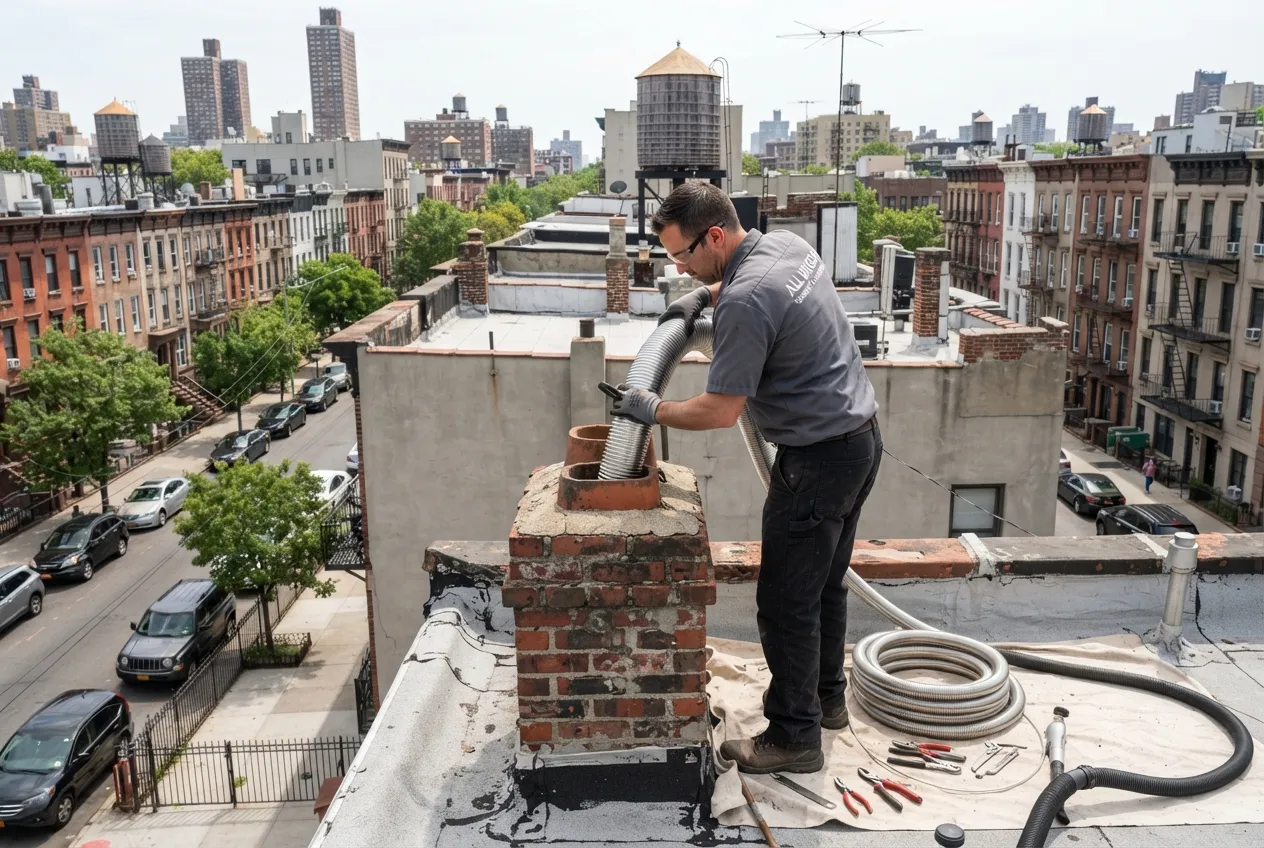
If relining is needed, we recommend the liner type that fits the appliance, the fuel and the shape of the flue. Stainless steel liners are common for gas and oil boilers and water heaters. Other options may suit wood-burning fireplaces or flues with unusual shapes. We explain the choices before any work starts.
- Inspect the chimney and record the flue's condition
- Measure the flue and confirm the size the appliance requires
- Clean the flue so the new liner goes into a clear passage
- Install the liner and connect it at the appliance and the top of the chimney
- Add a cap and confirm the system drafts properly
Time for your annual chimney check?
Working in SoHo Buildings
Liner work in a dense neighborhood takes planning. Many chimneys here are reached through a shared roof, a top-floor apartment or a basement boiler room, so we work with owners, building managers and residents to arrange access and keep the work area clean. In multi-unit buildings we schedule around tenants as much as the job allows.
Timing matters too. New York City's heat season runs from October 1 through May 31, when building owners must keep apartments heated to the city's minimum temperatures. If a boiler flue needs relining, planning the work for late spring or summer usually keeps the building's heat running when residents need it. If a problem shows up mid-season, we'll talk through your options so the heating system can get back in service safely.
Serving SoHo and Nearby Neighborhoods
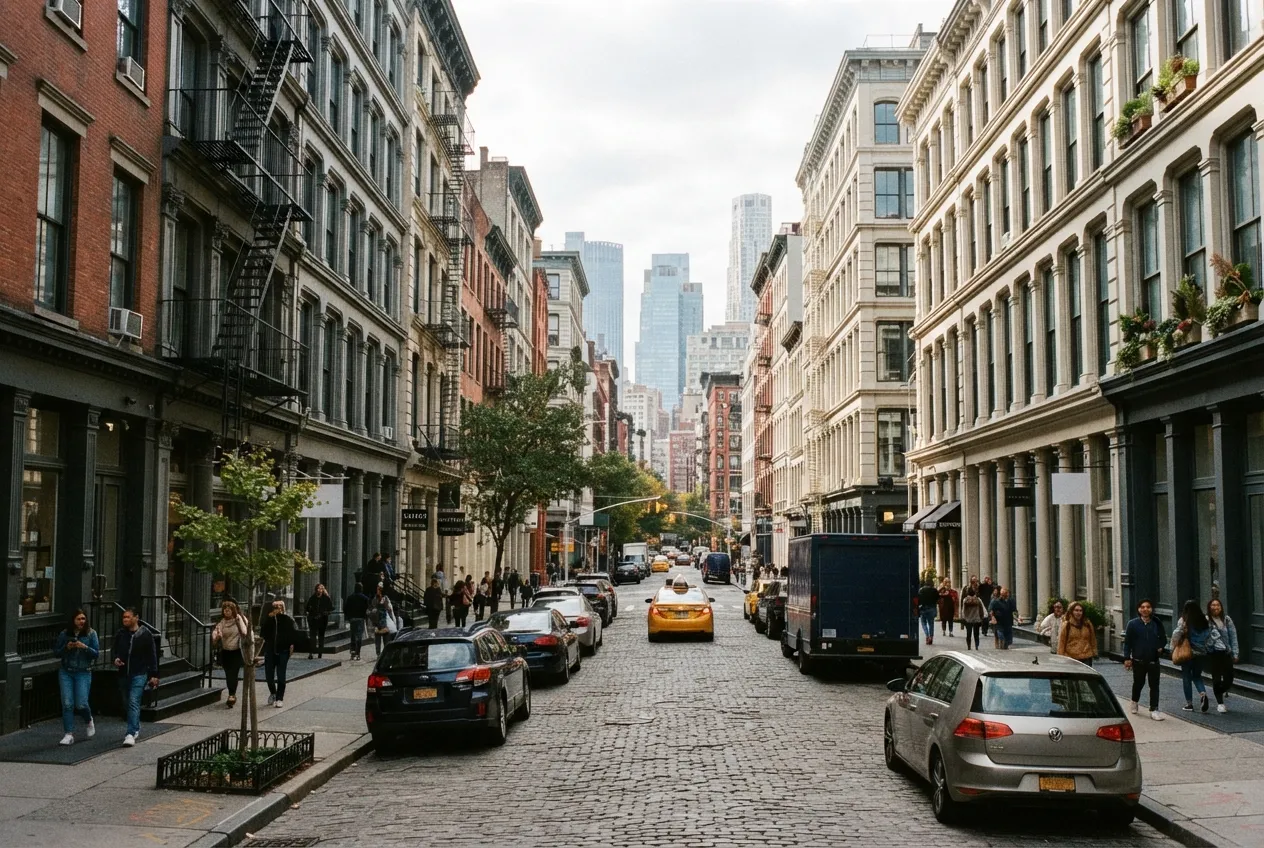
Our office is in SoHo, and we also install chimney liners for homes and buildings in Little Italy, Hudson Square, Tribeca, Civic Center and Greenwich Village. Whether you own a rowhouse, manage a pre-war apartment building or live in a converted loft with a working fireplace, we can inspect your chimney and tell you plainly whether relining is the right next step.
More services in SoHo
- Chimney Sweep in SoHoLocal service & repairs
- Chimney Inspection in SoHoLocal service & repairs
- Chimney Repair in SoHoLocal service & repairs
- Air Duct Cleaning in SoHoLocal service & repairs