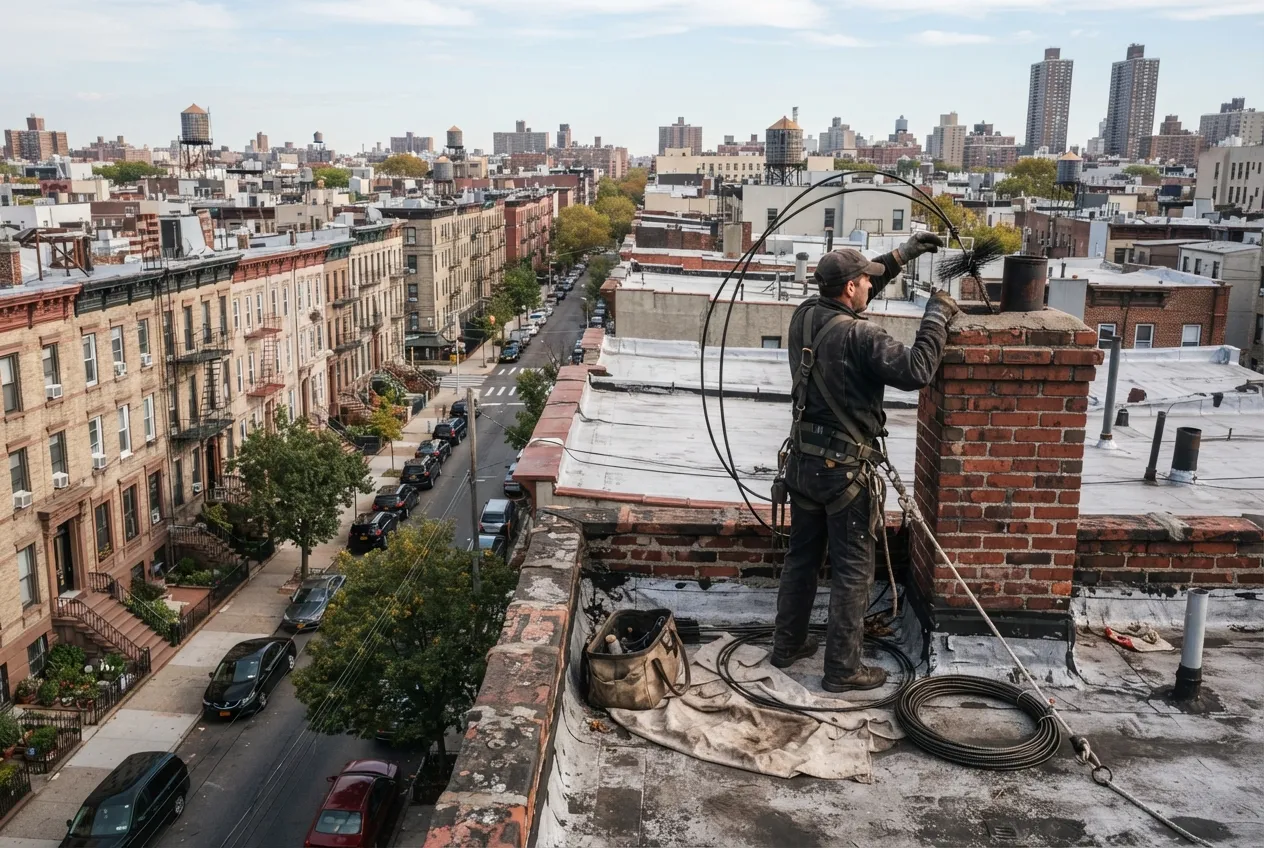
The short answer
Chimneys, fireplaces and vents should be inspected once a year under the NFPA 211 standard, and SoHo's older loft and pre-war buildings are no exception. FirstChoice Chimney Services provides Level 1, Level 2 and Level 3 inspections from our office at 90 W Houston St, and we recommend the level that matches how your chimney is used and whether anything has changed.
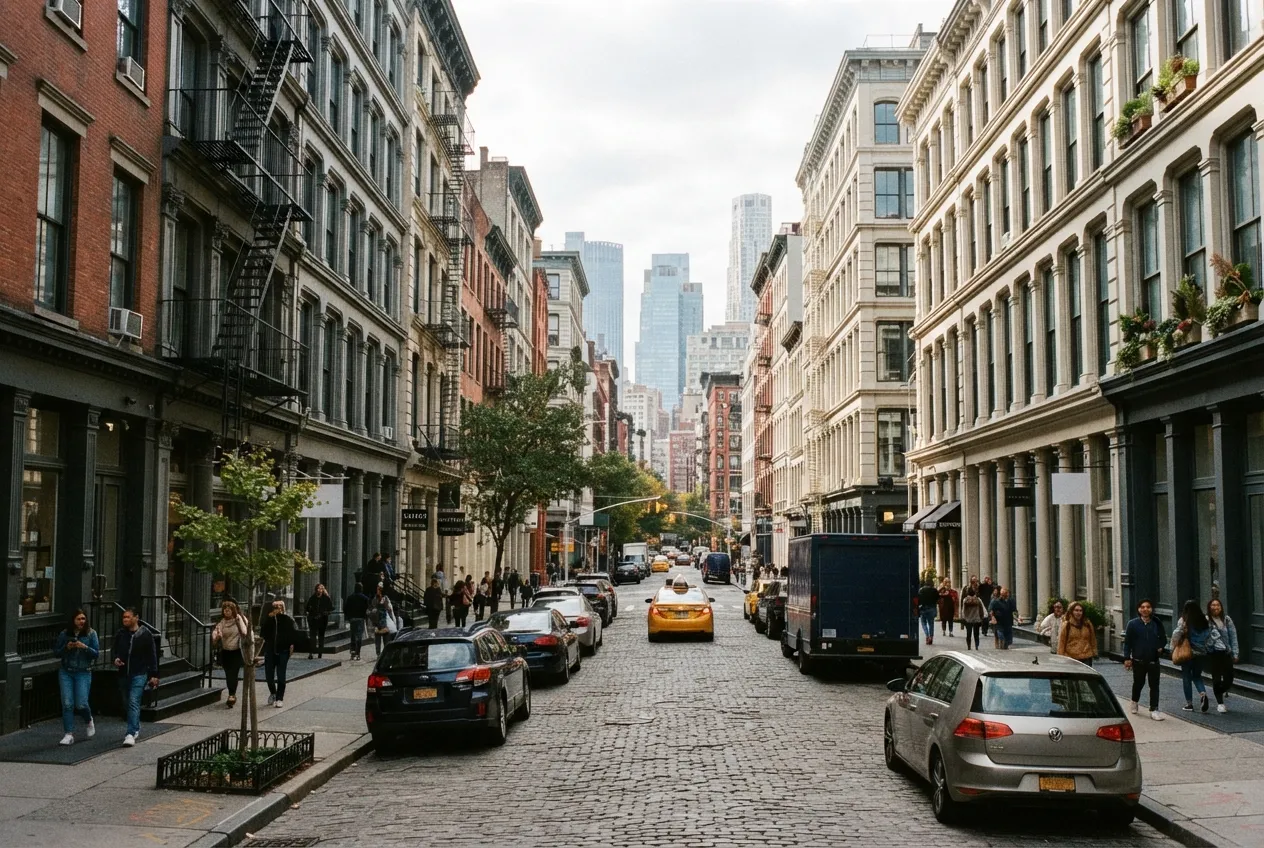
If your SoHo home has a working fireplace, a wood stove in a converted loft, or a boiler that vents into a masonry flue, a yearly chimney inspection is the clearest way to know the system is safe before you use it. FirstChoice Chimney Services works out of our office at 90 W Houston St, so our certified technicians are close to homes and buildings throughout ZIP code 10012 and the surrounding Manhattan neighborhoods. This page explains what an inspection covers, which inspection level fits your situation, and how to get ready for a visit.
Why a Yearly Inspection Matters for SoHo Homes
The NFPA 211 standard calls for chimneys, fireplaces and vents to be inspected once a year. That applies whether you burn wood a few nights each winter or rely on a boiler that runs every day. Much of SoHo's housing is older, including loft buildings, pre-war apartment buildings and some rowhouses. Many flues in these buildings have been in service for a long time. Some have been relined, and some serve appliances that were added or replaced over the years. An inspection confirms that the chimney still matches the equipment connected to it.
New York City's heat season runs from October 1 through May 31. During that period, building owners must keep apartments heated to the city's minimum temperatures. A flue problem found in the middle of winter is harder to fix without disrupting residents. Scheduling the inspection in late summer or early fall leaves time to handle any repairs before heat is required.
Choosing the Right Inspection Level
Chimney professionals use three inspection levels. We recommend the one that fits your situation and explain the reason before any work begins.
- Level 1: Used when nothing has changed since the last inspection. We check the readily accessible parts of the chimney, the fireplace or appliance connection, and the flue for blockages, buildup and visible damage.
- Level 2: Used when the system changes, such as a new appliance or a switch of fuel, or when the home is sold. This is a more thorough look at the full flue, usually with a camera, along with accessible areas such as the roof, attic or boiler room.
- Level 3: Used when a hidden hazard has to be reached by opening part of the chimney or building. We recommend it only when a Level 1 or Level 2 inspection points to a problem that cannot be confirmed any other way.
Oil-to-Gas Conversions and Chimney Liners
When a New York City building converts its boiler from oil to gas, the chimney has to be evaluated as part of the work. A new liner is often needed because gas exhaust produces acidic condensate that can corrode a masonry flue. If your SoHo building is planning a conversion, an inspection before the switch shows you the flue's current condition and whether relining is likely to be part of the project.
A fuel switch counts as a change to the system, so it calls for a Level 2 inspection rather than a basic visual check.
Time for your annual chimney check?
What We Check During Your Inspection
Every inspection depends on how your chimney is used, but most visits cover these areas:
When we finish, we explain our findings in plain terms and show you photos where they help. We also separate what needs attention now from what can simply be monitored.
- Creosote and soot buildup inside wood-burning flues
- Cracked, shifted or missing liner sections and gaps at joints
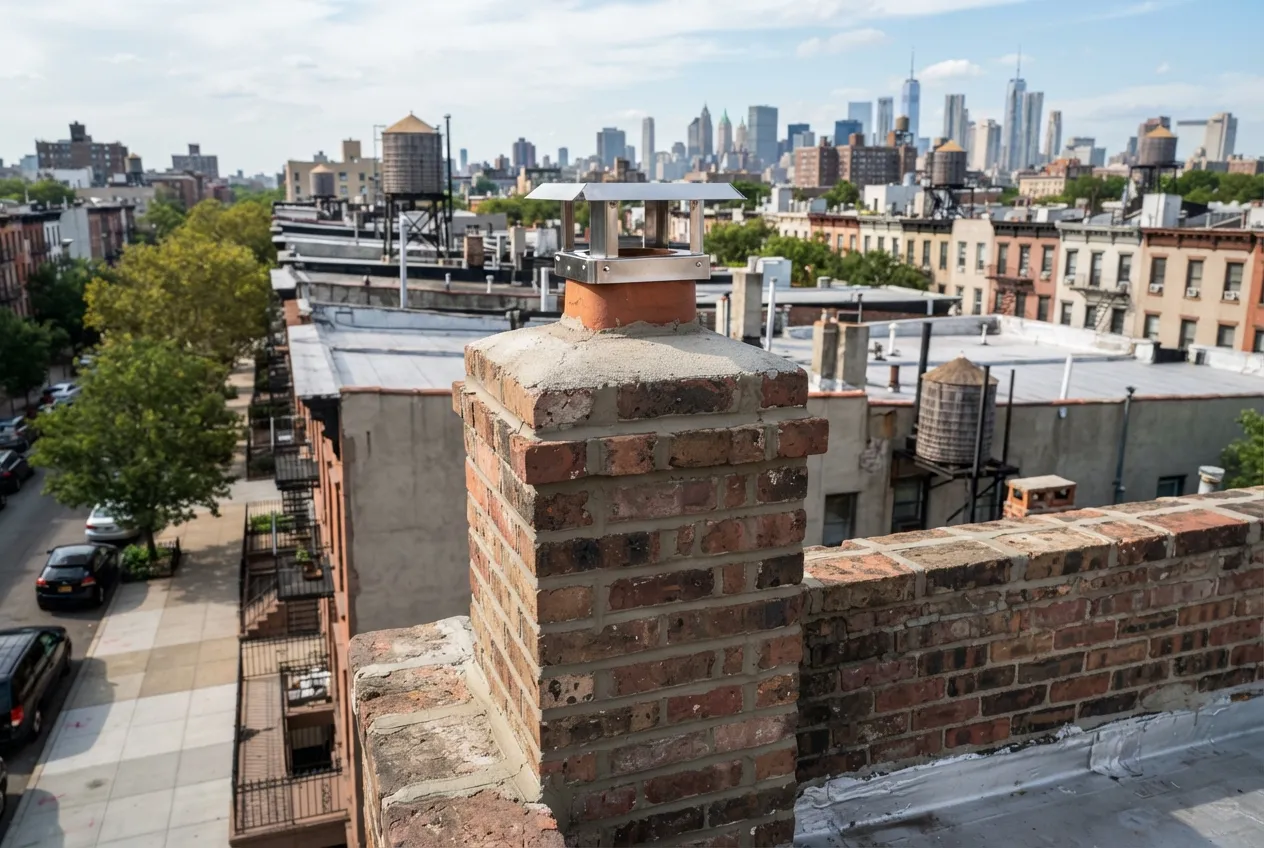
- Condition of the crown, cap and mortar at the roofline
- Damper, firebox and smoke chamber in fireplaces
- Connections between the boiler, furnace or water heater and the flue
- Obstructions such as debris or nesting animals
Preparing for the Visit and Areas We Serve
Before we arrive, let the fireplace or stove cool completely. It is best to skip any fires for at least a day beforehand. If the chimney serves a boiler, let your building manager or super know so we can reach the boiler room and the roof. Clear a few feet of space in front of the fireplace and move fragile items out of the way.
In addition to SoHo, we inspect chimneys in nearby Little Italy, Hudson Square, Tribeca, Civic Center and Greenwich Village.
More services in SoHo
- Chimney Sweep in SoHoLocal service & repairs
- Chimney Repair in SoHoLocal service & repairs
- Air Duct Cleaning in SoHoLocal service & repairs
- Chimney Liner Installation in SoHoLocal service & repairs