The short answer
A Lower East Side chimney usually needs a new liner when the original flue is cracked or deteriorated, or when a boiler or water heater is converted or replaced, especially in an oil-to-gas conversion. FirstChoice Chimney Services inspects the flue, sizes a liner to the appliance it serves, and installs it so exhaust leaves the building safely.
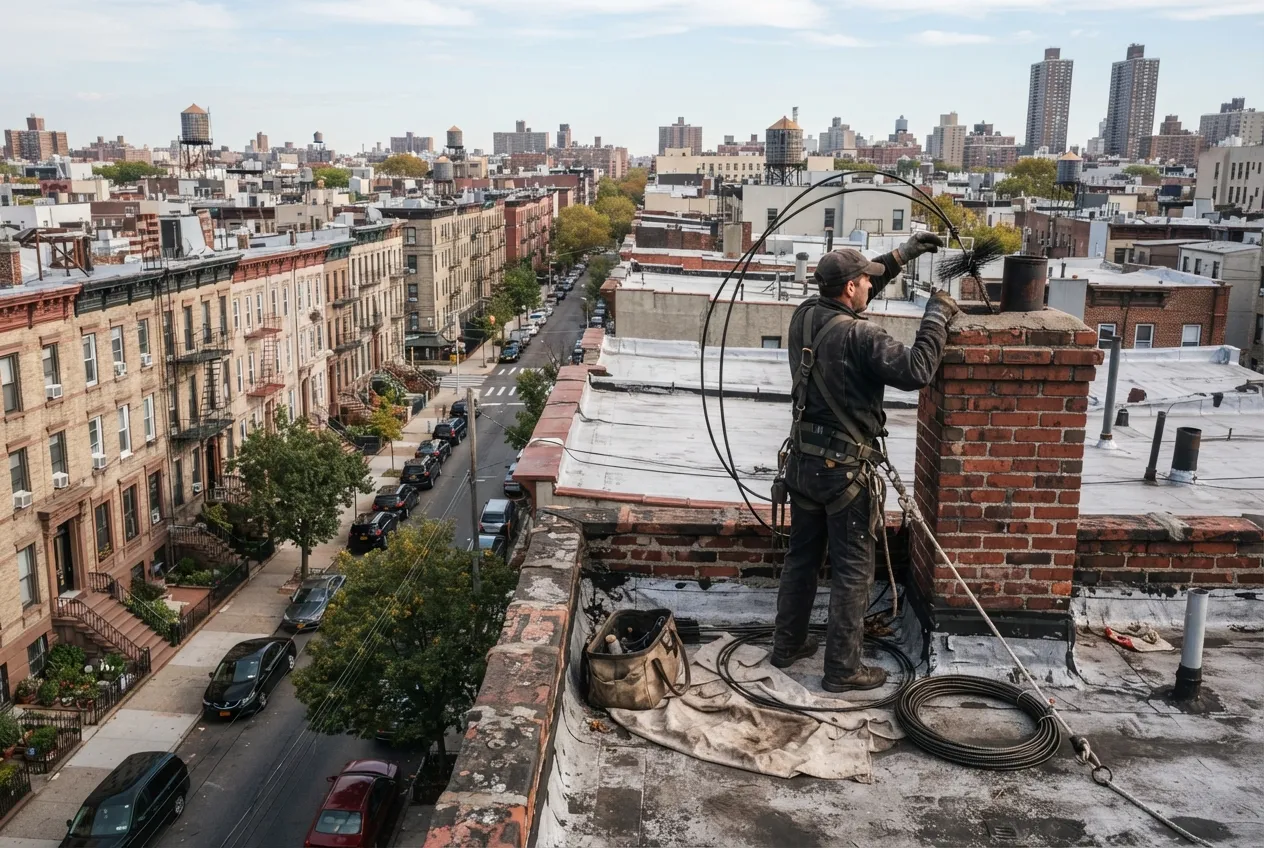
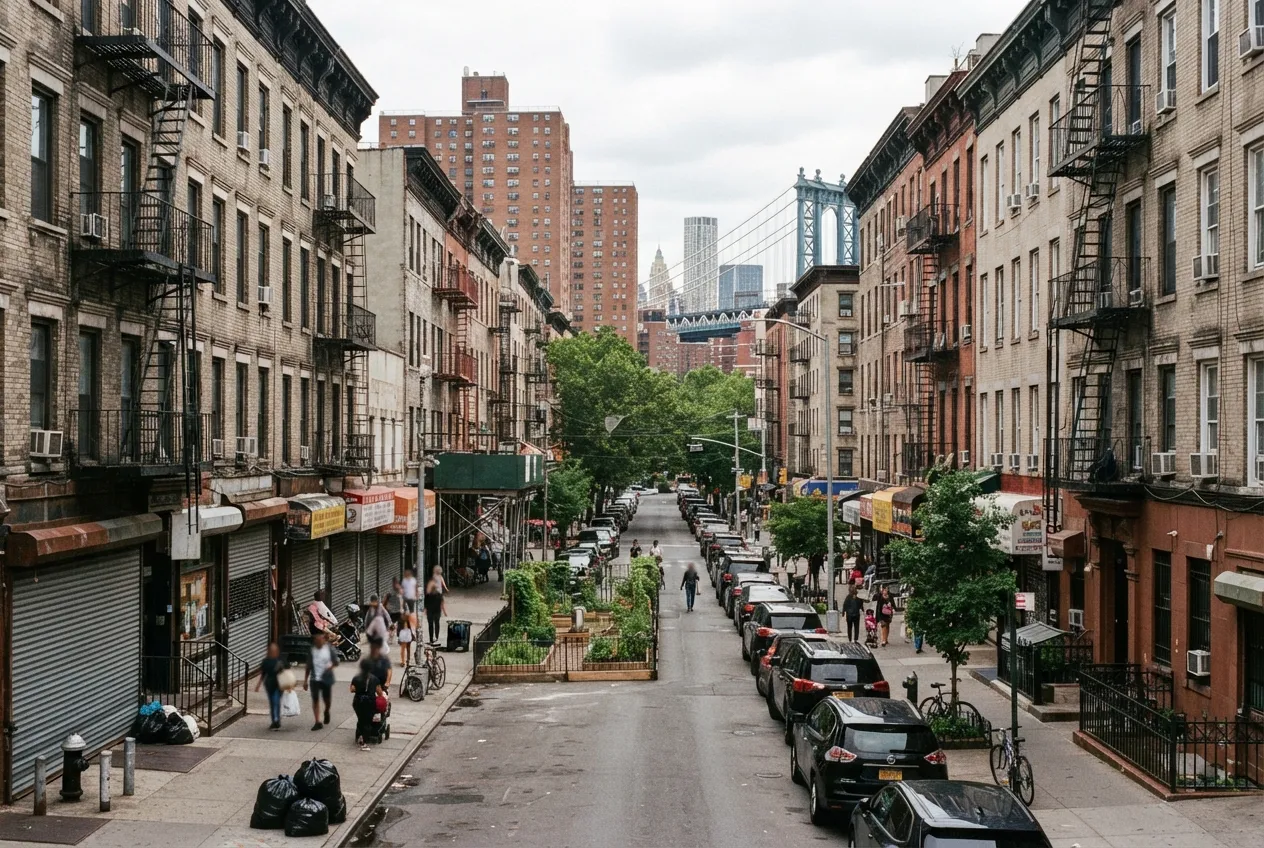
In the Lower East Side, a large share of chimneys sit inside older brick buildings: walk-ups, rowhouses and pre-war apartment buildings whose flues were laid long before today's boilers and water heaters were installed. A flue liner is the inner channel that carries smoke and exhaust gases up and out of the building. When that channel is cracked, missing or the wrong size for the appliance, exhaust can leak into walls and living space, and heat can reach framing it was never meant to touch. FirstChoice Chimney Services installs new liners for homes and buildings in ZIP code 10002. Our office is about a mile northwest, so we can reach the neighborhood easily for inspections, measurements and installation.
Why older Lower East Side chimneys often need relining
Many buildings in the neighborhood still have their original masonry flues, often clay tile or bare brick. Decades of heating seasons wear these flues down. Mortar joints erode, tiles crack from repeated heating and cooling, and moisture works into the brick. None of this is easy to see from inside an apartment or from the street, so a damaged flue can keep running for years before anyone notices a problem.
Gas appliances add another issue. Gas exhaust is cooler and wetter than wood smoke, and it produces acidic condensate. In an oversized or unlined masonry flue, that condensate can settle on the inside walls and slowly corrode the brick and mortar.
Oil-to-gas conversions and new appliances
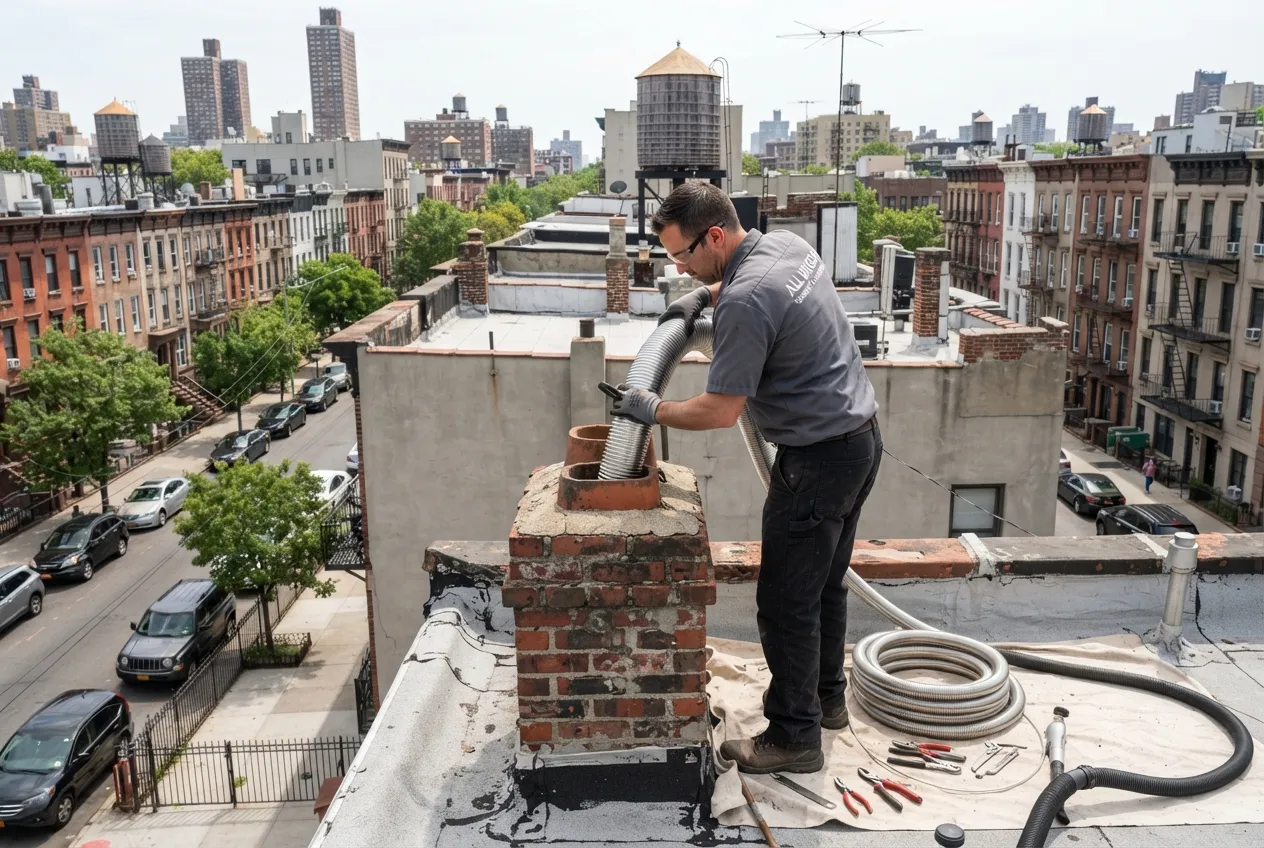
When a New York City building converts its boiler from oil to gas, the chimney has to be evaluated as part of the work. A new liner is often needed because the old flue was built for a different kind of exhaust and frequently is not sized for a modern gas appliance. Swapping in a new high-efficiency boiler or water heater raises the same question, even without a fuel change.
Under the NFPA 211 standard, a change like this calls for a Level 2 inspection rather than a routine look. We review the flue's condition and size before recommending a liner, so the liner matches the appliance it will actually serve.
- Converting a boiler from oil to gas
- Replacing a boiler or water heater with a different model or efficiency rating
- Cracked, shifted or missing flue tiles found during an inspection
- Signs of moisture, staining or crumbling brick around the chimney
- Buying or selling a building with an older chimney
Our liner installation process
We start with an inspection that includes a camera look inside the flue to see the condition of the tiles, joints and any blockages. Then we measure the flue's height and inside dimensions and check the appliance's venting requirements. The liner is sized to fit that appliance and that flue.
Most relining jobs use a stainless steel liner lowered from the roof through the existing chimney and connected to the appliance at the base. For masonry flues that need structural repair along with a new inner surface, a cast-in-place liner may be a better fit. We explain the options that suit your building, then cap the top properly and test the draft once the work is done. Our technicians are certified and follow the NFPA 211 standard, which calls for chimneys, fireplaces and vents to be inspected once a year.
Time for your annual chimney check?
Working around heat season and tight buildings
New York City's heat season runs from October 1 through May 31, when building owners must keep apartments heated to the city's minimum temperatures. For buildings with a central boiler, relining during those months means planning for as little downtime as possible. Where we can, we prepare and measure ahead of time so the boiler is offline only for the installation and testing itself.
Lower East Side buildings tend to be close together, with shared walls, narrow stairwells and limited roof access. We plan roof access, protect common hallways and work areas, and coordinate with building owners or superintendents so residents know what to expect.
Serving the Lower East Side and nearby neighborhoods
We install chimney liners throughout the Lower East Side and in the surrounding neighborhoods, including Chinatown, Two Bridges, East Village, SoHo and Little Italy. Whether you own a single rowhouse or manage a multi-unit pre-war building, the first step is the same: an inspection to find out what your flue needs before any liner is chosen.
More services in Lower East Side
- Chimney Sweep in Lower East SideLocal service & repairs
- Chimney Inspection in Lower East SideLocal service & repairs
- Chimney Repair in Lower East SideLocal service & repairs
- Air Duct Cleaning in Lower East SideLocal service & repairs