The short answer
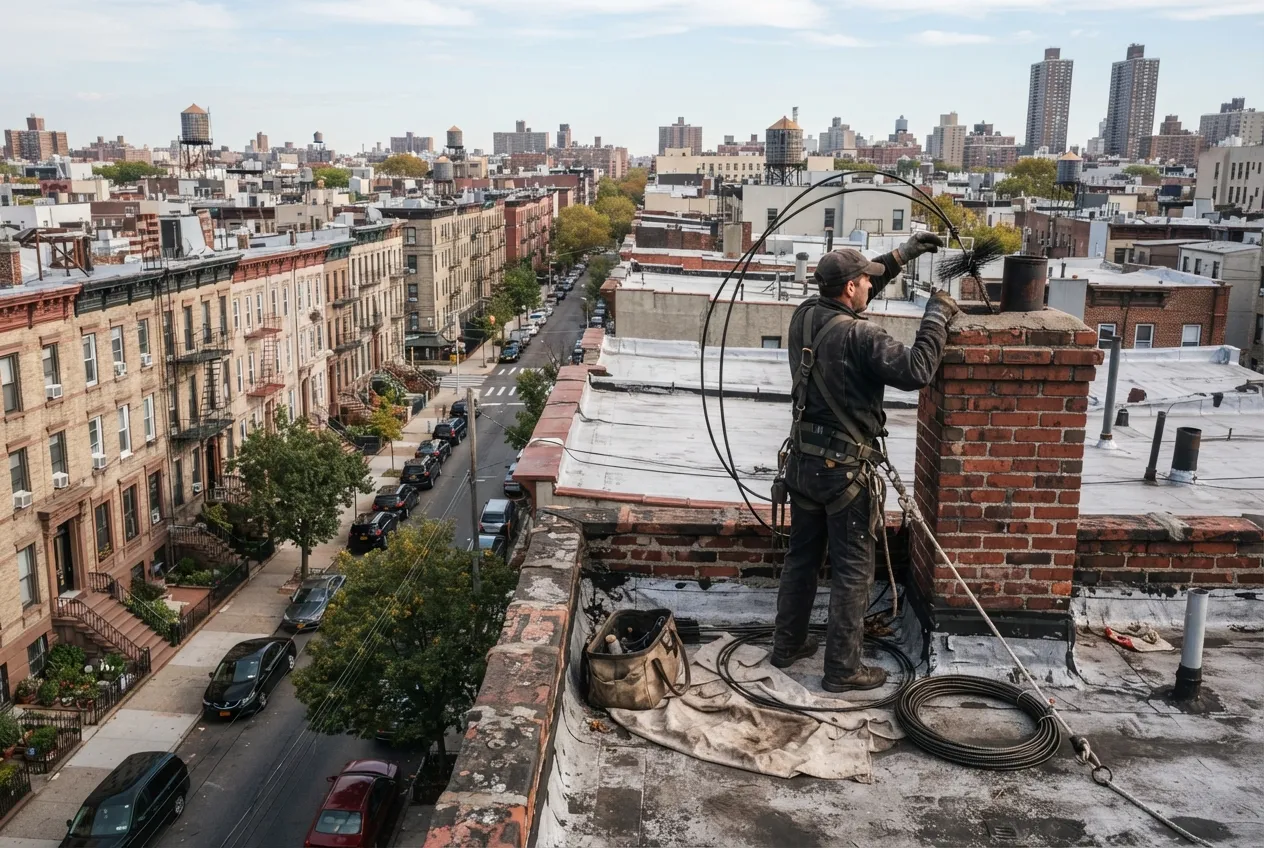
Chimneys in Gramercy homes should be inspected once a year, as the NFPA 211 standard calls for. A Level 1 inspection fits most chimneys in steady use, while a Level 2 is needed after a fuel switch, a new appliance or a home sale. Schedule before the October 1 start of heat season to fix problems without disrupting heat.
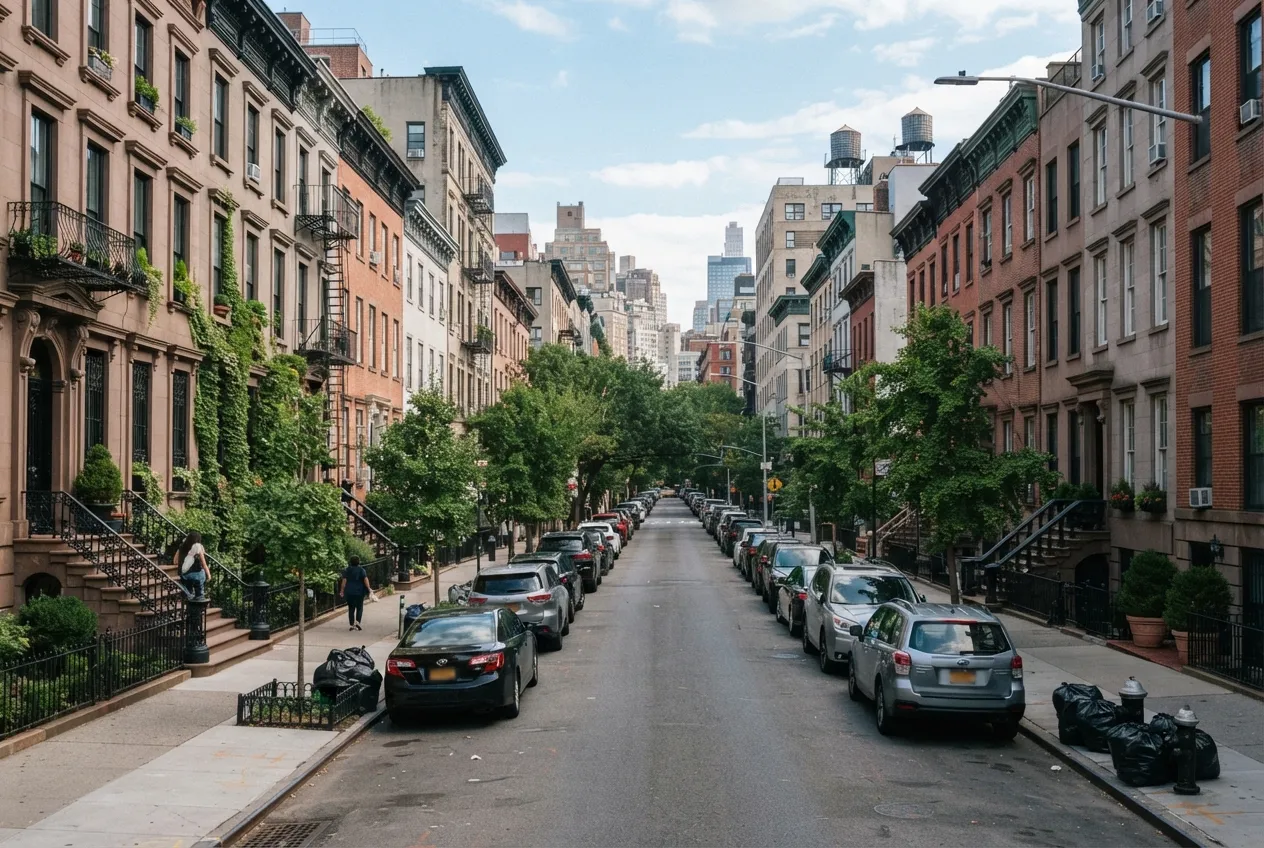
Gramercy's housing is mostly older masonry: brownstones, rowhouses and pre-war apartment buildings, along with some newer construction. Many of these homes still rely on a chimney, whether for a wood-burning fireplace, a gas insert or the boiler that heats the building. A chimney inspection tells you whether that flue is sound, clear and suited to what vents into it. FirstChoice Chimney Services is based in Manhattan, about a mile from Gramercy, so our certified technicians can reach homes in ZIP code 10010 without a long trip across the borough.
Why Yearly Inspections Matter for Gramercy Chimneys
The NFPA 211 standard calls for chimneys, fireplaces and vents to be inspected once a year. That applies whether you light a fire every winter weekend or only a few times a season. Even a chimney that sits unused can develop problems. Water gets into masonry, mortar joints wear away, birds and debris block the flue, and clay liner tiles can crack with no sign from inside the room.
Older Manhattan buildings add their own complications. Chimneys in rowhouses and brownstones often run through party walls shared with neighbors. A flue that was relined, capped or abandoned decades ago may not match what you expect. An inspection gives you a current picture so you don't have to rely on what a previous owner said.
Choosing the Right Inspection Level
Chimney professionals use three inspection levels. The right one depends on what has changed since the last check.
If you're buying or selling a brownstone or a co-op unit with a working fireplace, ask about a Level 2 inspection early. That way the findings don't hold up the closing.
- Level 1: For a chimney in regular use with no changes to the system. We examine the readily accessible parts of the chimney, the firebox or appliance connection, and the flue. We look for soot, creosote, blockages and visible damage.
- Level 2: Called for when the system changes or the home is sold. Examples of a system change include a new stove or insert, or a switch from one fuel to another. This inspection goes further than Level 1 and usually includes a video scan of the flue's interior.
- Level 3: Used when a suspected hazard can only be reached by opening part of the chimney or the building, such as a wall or chase. We recommend this only when an earlier inspection points to a problem that can't be confirmed any other way.
Oil-to-Gas Conversions and Chimney Liners
When a New York City building converts its boiler from oil to gas, the chimney has to be evaluated as part of the work. A new liner is often needed. Gas exhaust produces acidic condensate, and that condensate can corrode a masonry flue that was built for oil.
During the inspection, we check the flue's condition and size and look for deterioration from past use. Then we tell you plainly whether the existing chimney can serve the new equipment or needs a liner. Owners and co-op boards can use this information to coordinate with the heating contractor before work begins.
Time for your annual chimney check?
What Our Technicians Check
After the inspection, you get a written summary of what we found and a clear explanation of anything that needs attention. We separate urgent safety issues from items that can wait.
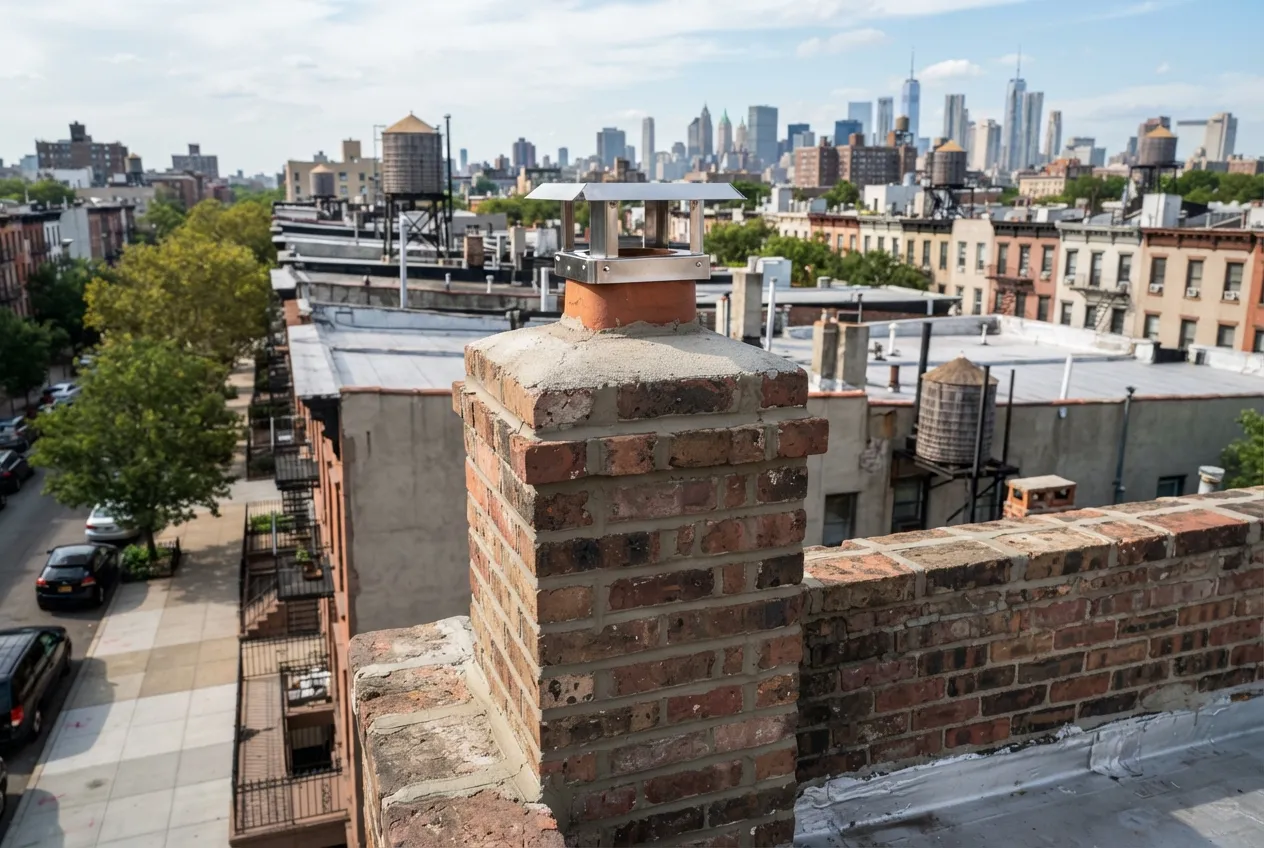
- Exterior masonry, crown and chimney cap
- Flue liner condition, including cracked or missing tiles
- Creosote and soot buildup
- Damper operation and the smoke chamber
- Firebox, hearth and clearance to nearby woodwork
- Connections and venting for boilers and water heaters
- Signs of water entry, animal nests or debris
Scheduling Around NYC Heat Season
New York City's heat season runs from October 1 through May 31. During that time, building owners must keep apartments heated to the city's minimum temperatures. In buildings where the boiler vents through the chimney, the flue works for eight months straight. A problem found in January is harder to fix without interrupting heat.
The easiest time to inspect is late summer or early fall, before fireplaces are lit and before the boiler runs at full load. We also serve Greenwich Village, East Village, West Village, SoHo and Little Italy, so we're close by if you own property in more than one nearby neighborhood.
More services in Gramercy
- Chimney Sweep in GramercyLocal service & repairs
- Chimney Repair in GramercyLocal service & repairs
- Air Duct Cleaning in GramercyLocal service & repairs
- Chimney Liner Installation in GramercyLocal service & repairs