The short answer
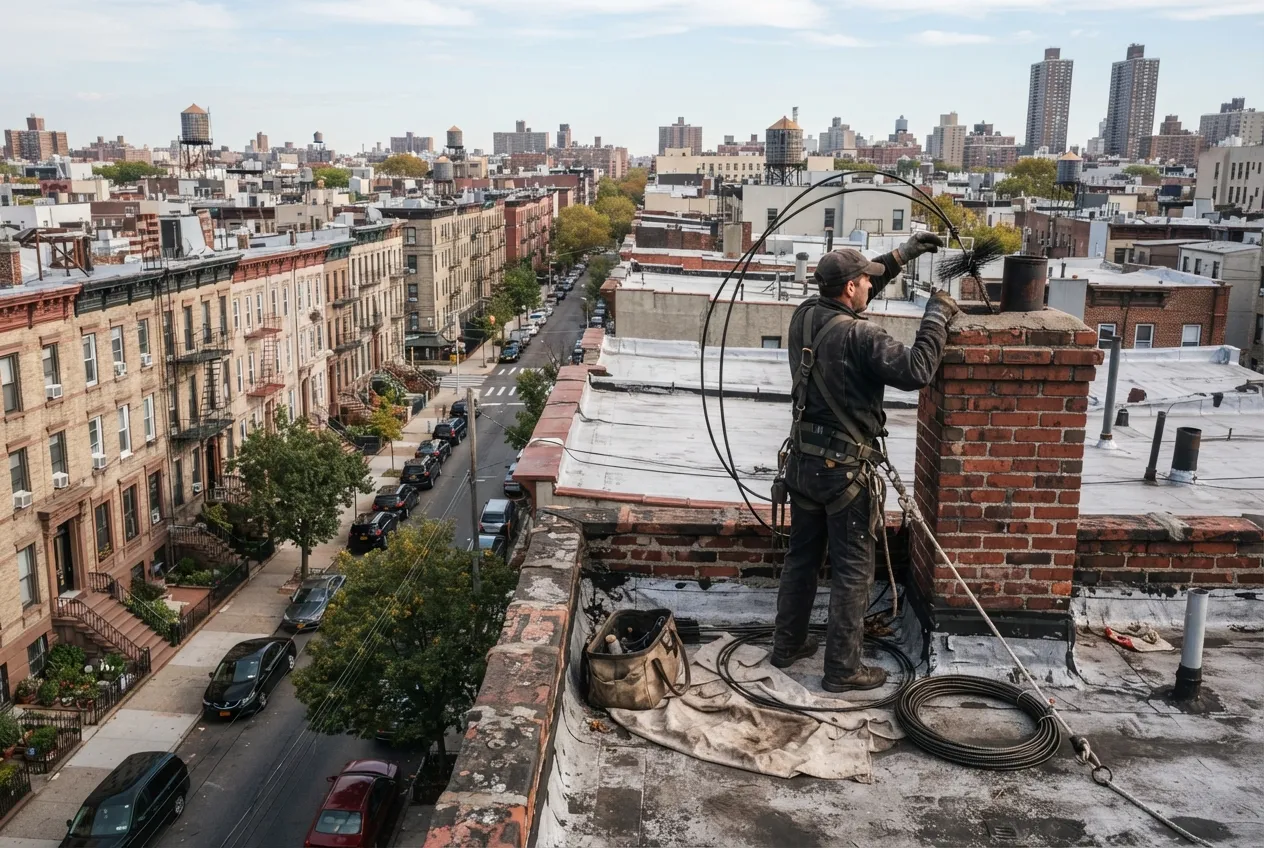
FirstChoice Chimney Services works throughout Williamsburg, Brooklyn, about 2 miles from our Manhattan office. Our certified technicians sweep, inspect, repair and reline chimneys and clean dryer vents and air ducts in the neighborhood's rowhouses, brownstones, apartment buildings and detached homes.
FirstChoice Chimney Services cleans, inspects and repairs chimneys, fireplaces, dryer vents and air ducts in Williamsburg, Brooklyn. Our office is in Manhattan, about 2 miles west of the neighborhood, so reaching your home is a short trip for our certified technicians. Williamsburg housing ranges from rowhouses and brownstones to pre-war apartment buildings and some detached homes. Each type has its own mix of masonry flues, boiler chimneys and venting. This page explains what we do in the neighborhood, how New York weather affects your chimney, and how to plan service around the heating season.
Chimney, Vent and Duct Services in Williamsburg
We work on the whole chimney system, from the firebox to the top of the flue. We also clean the vents and ducts that move air through your home. Williamsburg homeowners and building owners can book the following services:
- Chimney sweep: removing soot, creosote and debris that build up in the flue
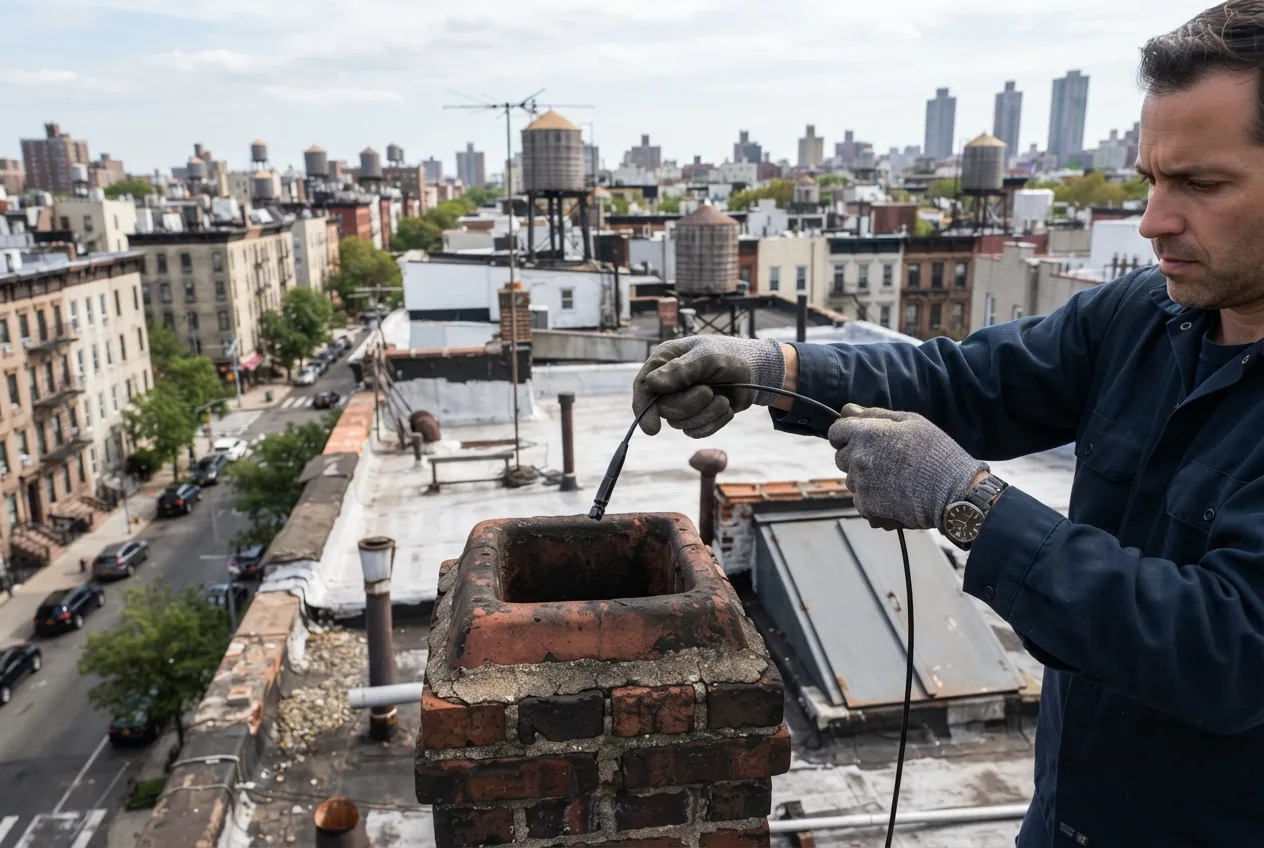
- Chimney inspection: a yearly check of the flue, liner, crown and connections
- Chimney repair: fixing cracked crowns, loose bricks and worn mortar joints
- Chimney liner installation: new liners for damaged flues or changed appliances
- Chimney cap and chase cover: keeping rain, animals and debris out of the flue
- Chimney waterproofing: protecting brick from water that soaks in and freezes
- Fireplace and damper repair: fixing a damper that sticks, leaks air or won't close
- Chimney rebuilding: taking down and relaying masonry that is too far gone to patch
- Dryer vent cleaning: clearing lint from the duct between the dryer and the outside
- Air duct cleaning: cleaning supply and return ducts when there is a clear reason to
Older Brick Buildings and the Chimneys Inside Them
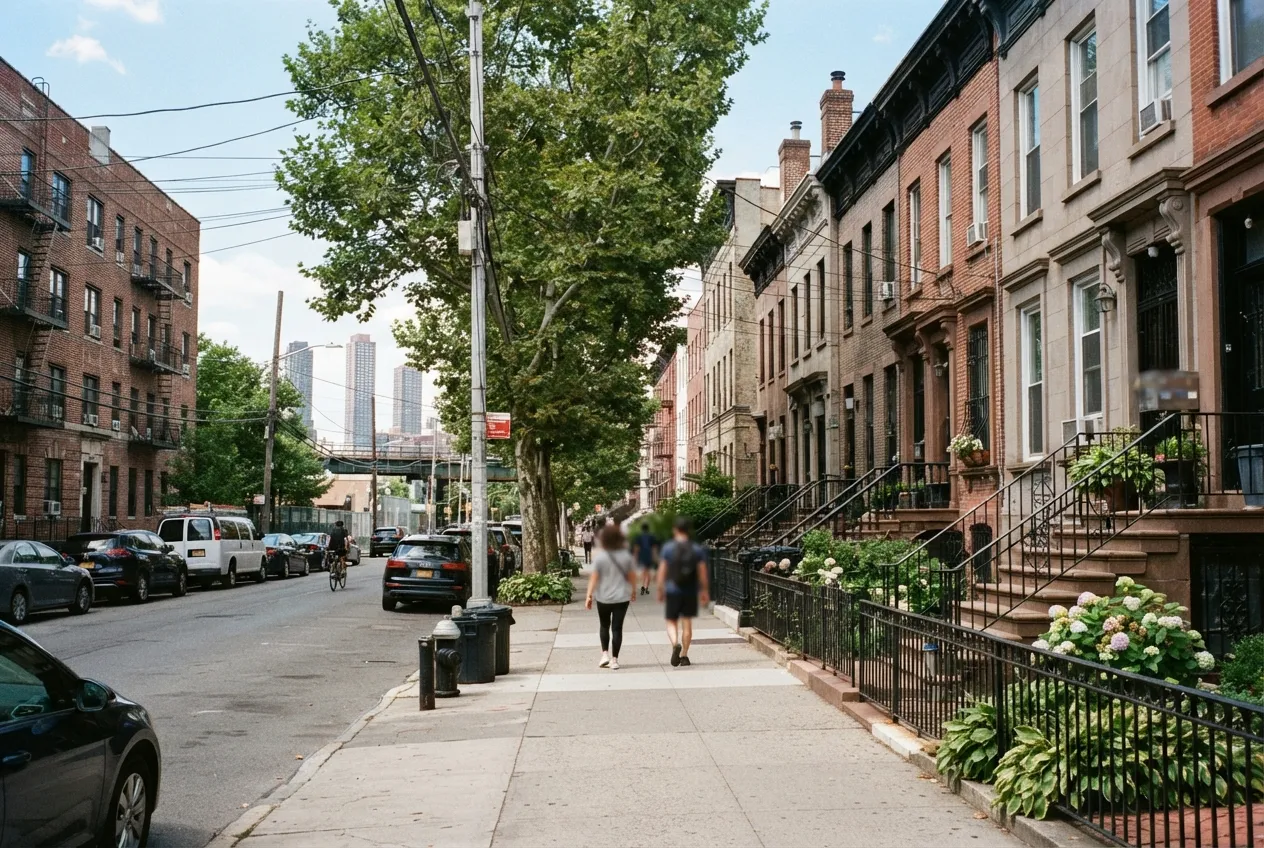
Much of Williamsburg's housing is masonry: rowhouses, brownstones and pre-war apartment buildings, with some detached homes mixed in. Many of these chimneys were built long before today's furnaces and boilers. Some flues that once served a fireplace now vent a gas appliance, and others sit unused. If a flue has been capped off, partly blocked or shared over the decades, have it checked before anyone relies on it.
In rowhouses and brownstones, chimneys often run through shared or party walls. A crack or gap in one flue can affect the neighbors as well. We look at how the stack is built, what is connected to it and whether the liner is intact.
Apartment buildings raise their own concerns. When a New York City building converts its boiler from oil to gas, the chimney has to be evaluated as part of the work, and a new liner is often needed. Gas exhaust produces acidic condensate that can corrode a masonry flue from the inside. We check the flue and recommend a liner when its condition calls for one.
How New York Weather Wears Down a Chimney
Brooklyn winters swing above and below freezing, often within the same week. Water soaks into brick and mortar, freezes, expands and pushes the masonry apart a little more each cycle. Over a few winters this shows up as flaking brick, crumbling joints and a cracked crown.
Spring and fall storms bring wind-driven rain. In humid summers, a fireplace can give off a damp, smoky odor. Most of this damage starts at the top of the chimney, so we check the cap, chase cover and crown on every visit.
- A cap keeps rain, birds and squirrels out of the flue
- A sound crown sheds water away from the chimney instead of into it
- Waterproofing lets brick release moisture while keeping rain out
- Repointing worn joints early can head off a larger rebuild later
Time for your annual chimney check?
Plan Around the Heating Season
The NFPA 211 standard calls for chimneys, fireplaces and vents to be inspected once a year. There are three inspection levels. Level 1 fits when nothing has changed. Level 2 is used when the system changes, such as a new appliance or a switch of fuel, or when the home is sold. Level 3 is for hidden hazards that can only be reached by opening part of the chimney or building.
New York City's heat season runs from October 1 through May 31. During those months, building owners must keep apartments heated to the city's minimum temperatures. If you book chimney and boiler flue work in summer or early fall, there is time to finish any repairs before the heat has to stay on.
Dryer Vents and Air Ducts
According to the U.S. Fire Administration, failure to clean is the leading factor contributing to clothes dryer fires in homes. In apartments and rowhouses, dryer vents often run long distances through walls or to a shared exhaust, and lint collects at every bend. If clothes take longer to dry or the laundry area feels hot, the vent probably needs cleaning.
For air ducts, we follow EPA guidance. Cleaning makes sense when there is substantial visible mold growth, signs of vermin, or excessive dust and debris. The EPA notes that duct cleaning has not been shown to prevent health problems. We will tell you plainly whether your ducts need cleaning, and we are careful with chemical treatments.