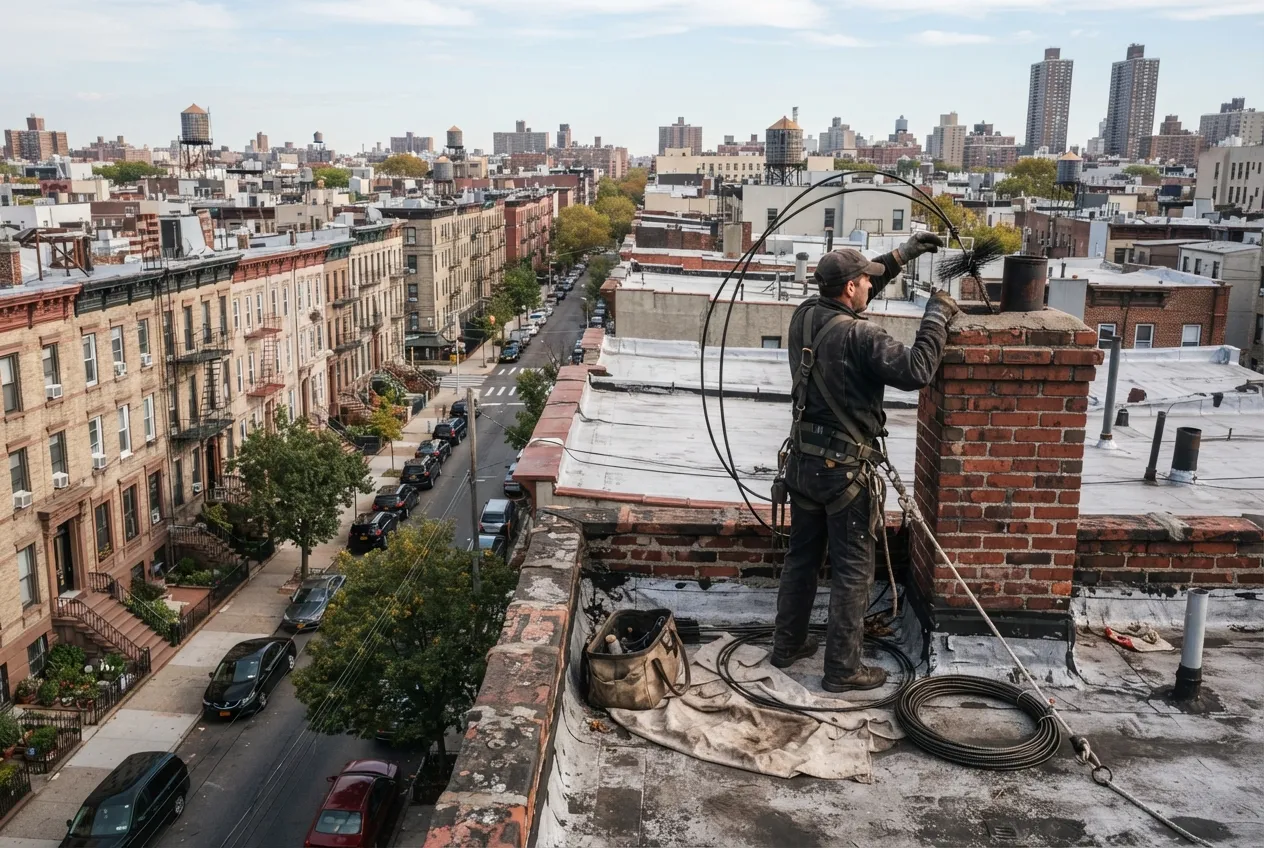
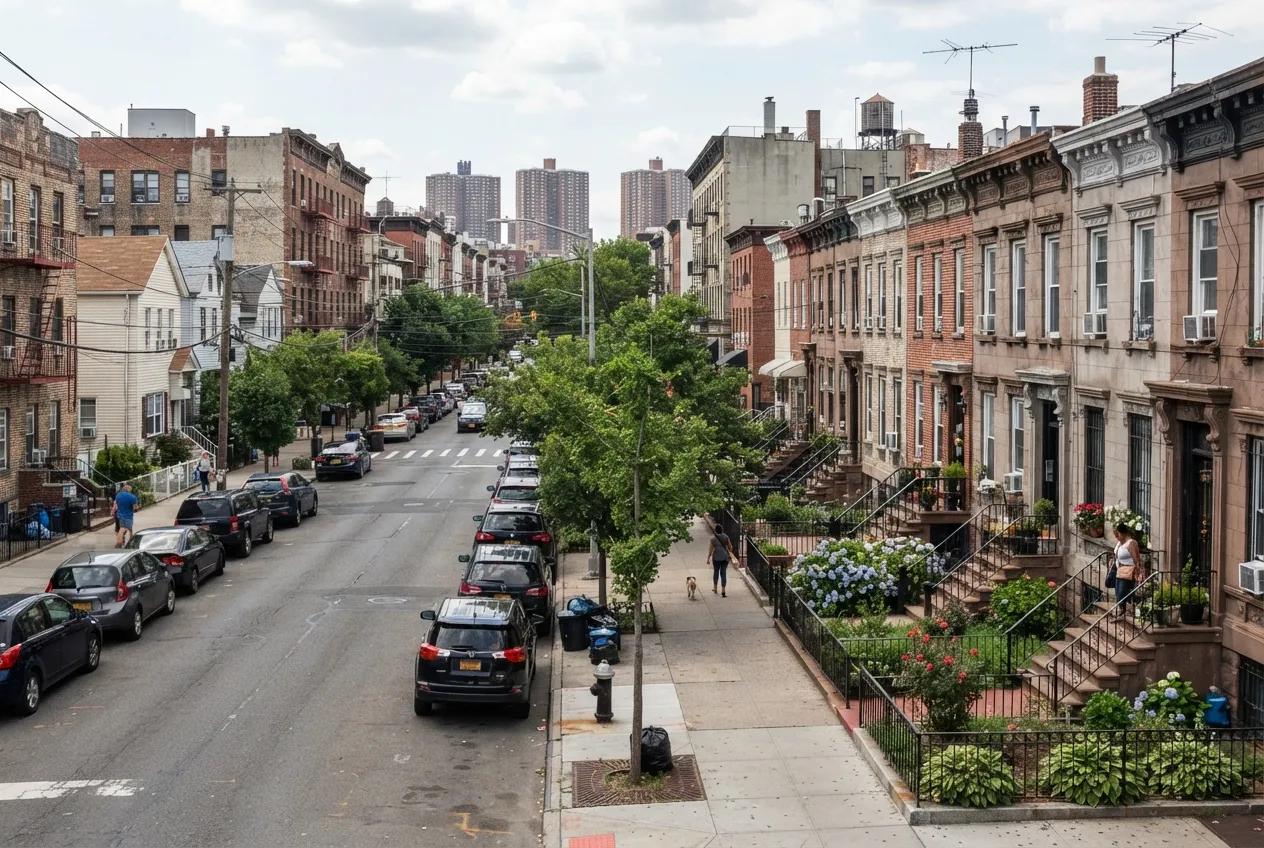
The short answer
Yes, FirstChoice Chimney Services covers the entire Financial District, including ZIP codes 10005, 10006, 10038, 10271, 10280 and 10282. We clean, inspect and repair chimneys, fireplaces, liners, dryer vents and air ducts in downtown apartments and buildings. We recommend booking chimney work before the city's heat season begins on October 1.
FirstChoice Chimney Services works throughout the Financial District, about a mile south of our Manhattan office. We serve homes and buildings in ZIP codes 10005, 10006, 10038, 10271, 10280 and 10282, from older masonry buildings converted to apartments to newer residential towers. Our certified technicians handle chimney sweeping, inspections, repairs, liners, dryer vents and air ducts. We plan each visit around the building rules that come with working downtown, including approved work hours, elevator reservations and roof access.
Chimneys and Vents in Financial District Buildings
Housing here is mostly multi-family. You'll find pre-war apartment buildings, older commercial buildings converted to residences, and modern high-rises. Some units have working fireplaces, often wood-burning in older conversions and gas in newer buildings. Many buildings also rely on a central boiler that vents through a tall masonry chimney. In-unit washers and dryers are common in condos and rentals, which often means long dryer vent runs through walls and ceilings before they reach the outside.
Each setup needs different care. A fireplace flue that sits unused for most of the year can collect debris or nesting material, and its damper can stick or rust. A boiler chimney that serves dozens of apartments works hard all winter. Our Chimney Sweep and Fireplace & Damper Repair services keep individual fireplaces working properly. For building systems, we work with owners and managers on the main flue.
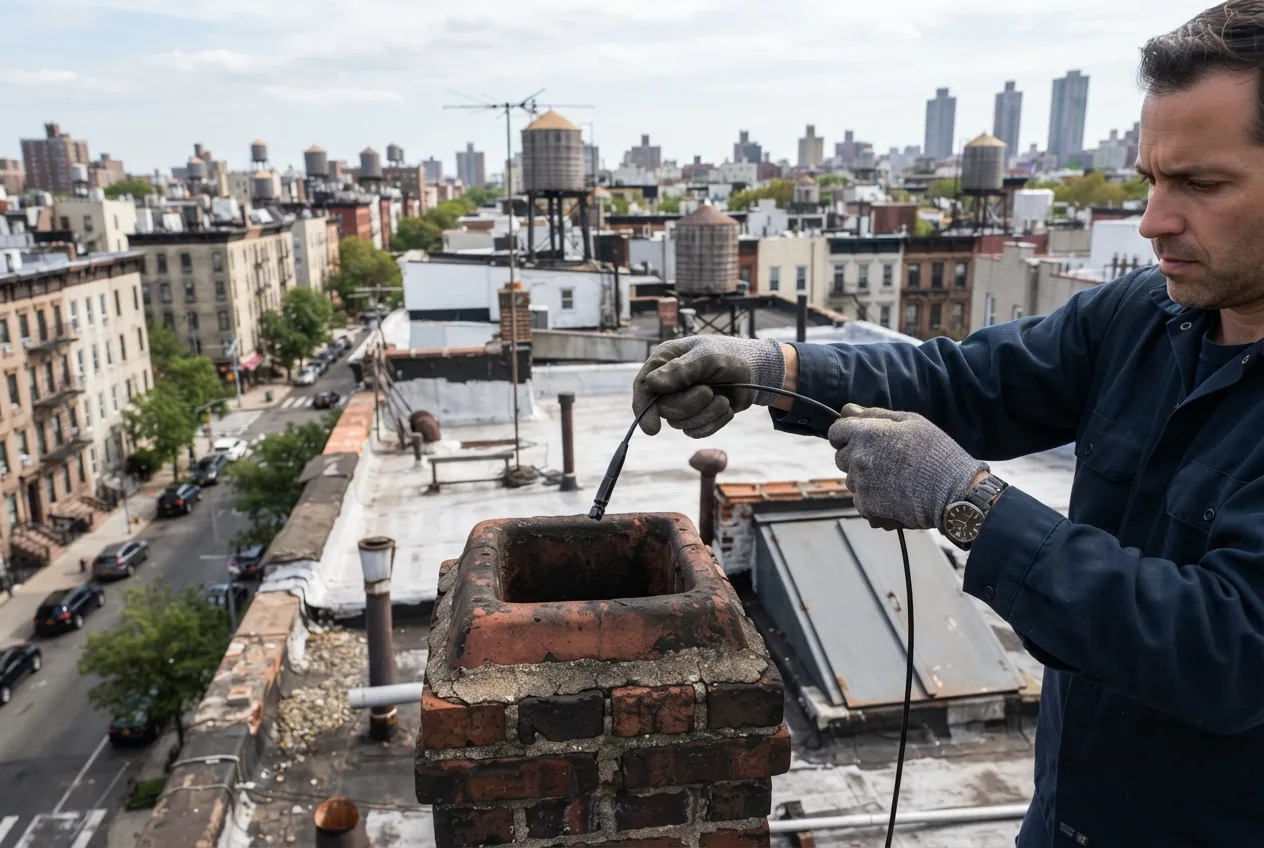
How Lower Manhattan Weather Affects Your Chimney
The Financial District sits at the southern tip of Manhattan, with water on three sides. Wind-driven rain, coastal storms and nor'easters push moisture into masonry from the side, not only from the top. Winters bring repeated freeze-thaw cycles. Water soaks into brick and mortar, freezes, expands, and slowly cracks joints and crowns. Salt in the air can also wear down metal caps, chase covers and flashing faster than usual.
Timing matters because of the heat season. Building owners must keep apartments heated to the city's minimum temperatures from October 1 through May 31. A boiler chimney problem found in January is far more disruptive than one caught in late summer. We suggest scheduling inspections and repairs before October.
- Chimney Waterproofing: a breathable treatment that limits water absorption while still letting the masonry dry out
- Chimney Cap & Chase Cover: keeps rain, animals and debris out of the flue
- Chimney Repair and Chimney Rebuilding: repointing, crown repair, and rebuilding sections worn down by years of weather
Inspections and Oil-to-Gas Conversions
The NFPA 211 standard calls for chimneys, fireplaces and vents to be inspected once a year. A Level 1 inspection covers a system where nothing has changed. A Level 2 inspection applies when something changes, such as a new appliance or a switch of fuel, or when a home is sold. A Level 3 inspection is needed when a hidden hazard can only be reached by opening part of the chimney or building.
Many older downtown buildings have switched their boilers from oil to gas. In New York City, the chimney has to be evaluated as part of that work. Gas exhaust produces acidic condensate that can corrode a masonry flue, so a new liner is often needed. Our Chimney Liner Installation service fits a liner sized to the appliance it serves.
Time for your annual chimney check?
Dryer Vents and Air Ducts in Apartments
According to the U.S. Fire Administration, failure to clean is the leading factor contributing to clothes dryer fires in homes. Apartment dryer vents are often long and have several bends, and lint builds up where you can't see it. Warning signs include clothes that take longer to dry, a laundry area that feels unusually hot, or a burning smell.
For air ducts, we follow the U.S. EPA's guidance. Cleaning makes sense when there is substantial visible mold growth, vermin, or excessive dust and debris. Duct cleaning has not been shown to prevent health problems, so we won't promise that it will. Be careful with very cheap advertised offers. Before agreeing to any chemical treatment, ask what it is and why it's needed.
What to Expect From a Visit
Before we arrive, we confirm your building's requirements, such as approved work hours, elevator reservations and roof access. On site, we protect floors and furniture and keep the work area contained. We also explain what we found in plain terms before recommending any repair. We also serve the nearby neighborhoods of Tribeca, Civic Center, Chinatown, Two Bridges and SoHo.
ZIP codes we serve
- 10005
- 10006
- 10038
- 10271
- 10280
- 10282